





Jumping Bush Cricket
Hapithus saltator
The Jumping Bush Cricket is a small insect that loves to hop around in gardens and fields. They have long legs that help them jump high and make a fun chirping sound!
Habitat: Grasslands
The Jumping Bush Cricket is typically slender with a vibrant green or mottled brown body, allowing perfect camouflage among foliage. It possesses extremely long, thin antennae and noticeably robust hind legs, distinctively adapted for powerful leaps.
Category
InsectsRarity
Common
Danger
1/5 · Very low
Snaps
Be the first to snap!
A Jumping Bush Cricket's long antennae can be much longer than its entire body!
If a cricket loses a leg, it can sometimes grow a new one back over time!
Some bush crickets have ears located on their front legs, not on their heads!
These tiny insects often eat both plants and smaller bugs, making them omnivores!
Jumping Bush Crickets can launch themselves huge distances because of their incredibly strong, specialized hind legs that help them escape predators.
Jumping Bush Crickets have green or brown bodies that help them blend perfectly into leaves and twigs, hiding them from hungry birds.
Jumping Bush Crickets can create unique songs by rubbing their wings together, which helps them communicate with other crickets.
Jumping Bush Crickets are omnivores, munching on leaves, flowers, and even tiny insects!

Turdus migratorius
Robins often snatch crickets from the ground.
Stagmomantis carolina
Mantids are ambush predators that catch crickets.

Trifolium pratense
Young crickets feed on clover leaves.
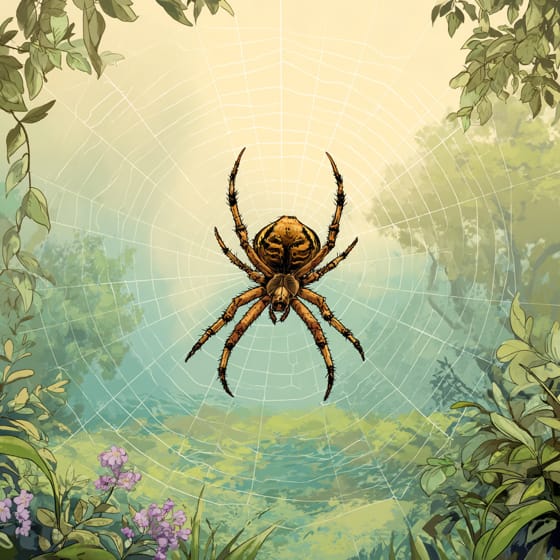
Argiope aurantia
Large garden spiders can trap crickets in their webs.
Singing animals produce complex vocalizations, often for purposes of attracting mates, defending territory, or communicating within their species.
Camouflaged describes organisms that possess coloring or patterns that allow them to blend into their environment.
Colorful describes organisms or objects displaying a wide range of bright and distinct colors.
Grassland habitats are terrestrial biomes dominated by grasses and herbaceous plants, supporting a variety of grazing animals.

This trait characterizes organisms whose diet consists entirely or primarily of plant material.

Diurnal animals are primarily active during daylight hours, typically resting or sleeping at night.

Pertaining to species that are significantly smaller than typical or average for their kind.
No aliases listed yet.
Danger
1/5 · Very low
Don't touch crickets too much; they are delicate and can get scared easily.
The easiest way to identify Jumping Bush Cricket is to use the Snappit nature identifier app.
20-30 mm
10-20 mm
30-120 days
Jumping Bush Crickets are omnivores, munching on leaves, flowers, and even tiny insects!
Grasslands
Foraging
6
Zoom in to split clusters and explore where this object has been snapped.
Recent snaps will appear here as new observations are added.
Take the discovery with you
Snap it with Snappit to identify it, learn what makes it special, and add the discovery to your collection.






.jpg&width=800)



