





Northern Walkingstick
Diapheromera femorata
The Northern Walkingstick is a long, skinny insect that looks like a twig! They are great at hiding in trees and bushes, making them hard to spot.
Habitat: Forests
The Northern Walkingstick is a long, slender insect, typically greenish-brown or brown, expertly camouflaged as a twig. It has very long, thin antennae, often longer than its front legs, which help it blend seamlessly into its leafy surroundings.
Category
InsectsRarity
Common
Danger
1/5 · Very low
Snaps
2
A walkingstick can sway like a branch in the wind!
Female walkingsticks can lay eggs without needing a mate!
Their tiny eggs look exactly like plant seeds!
They often drop their eggs from trees onto the forest floor!
Northern Walkingstick can freeze completely still because of its twig-like shape, helping them avoid being seen by predators.
Northern Walkingstick can regrow a lost leg if attacked because of its ability to regenerate, helping them survive in the wild.
This insect munches on leaves from many different trees and shrubs.
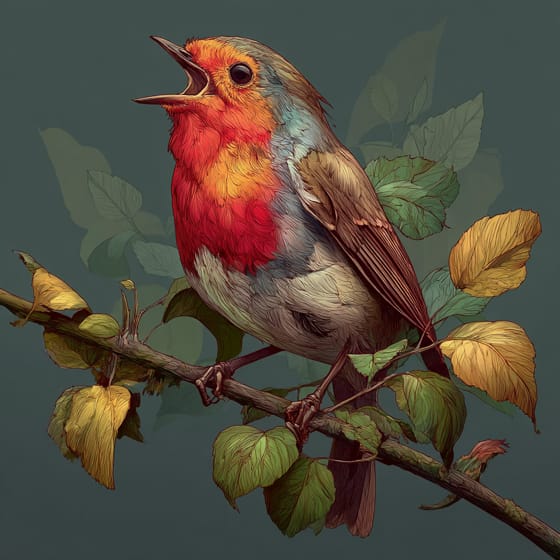
Turdus migratorius
Common bird that preys on walkingsticks.
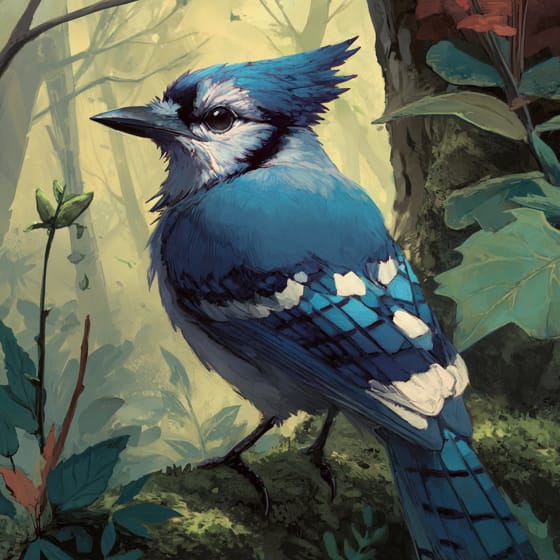
Cyanocitta cristata
Known to forage for insects like walkingsticks.
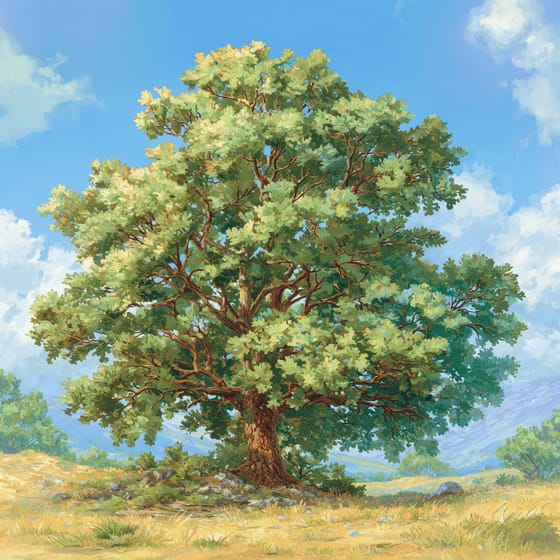
Quercus alba
Relies on oak leaves for its primary food source.
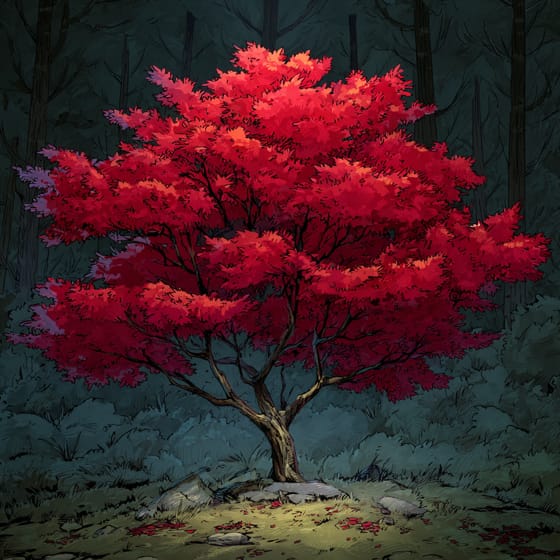
Acer rubrum
Feeds on maple leaves throughout its life.
Solitary animals live alone for most of their lives, only interacting with others for mating or parental care.
Camouflaged describes organisms that possess coloring or patterns that allow them to blend into their environment.
Colorful describes organisms or objects displaying a wide range of bright and distinct colors.
This trait characterizes organisms whose diet consists entirely or primarily of plant material.

Forest habitats are terrestrial environments dominated by dense tree cover, supporting a high diversity of plant and animal life.

Nocturnal animals are primarily active during the nighttime hours, typically resting or sleeping during the day.
No aliases listed yet.
Danger
1/5 · Very low
Always look but don't touch insects unless you know they are safe.
The easiest way to identify Northern Walkingstick is to use the Snappit nature identifier app.
70-100 mm
60-90 days
This insect munches on leaves from many different trees and shrubs.
Forests
Foraging
6
Zoom in to split clusters and explore where this object has been snapped.

Oklahoma, US
You might spot Monarch, American Bumble Bee, and Gulf Fritillary.
View guide →

Pennsylvania, US
You might spot Elk, Ring-Necked Snake, and Timber Rattlesnake.
View guide →

Maryland, US
You might spot Large Whorled Pogonia and Pink Lady's Slipper.
View guide →
Take the discovery with you
Snap it with Snappit to identify it, learn what makes it special, and add the discovery to your collection.








.jpg&width=800)


