.jpg&width=800)





Jungle Cat
Felis chaus
The Jungle Cat is a sleek and agile feline that loves to roam in tall grass and wetlands. With its beautiful coat and sharp eyes, it is a skilled hunter, often seen during the day.
Habitat: Wetlands
The Jungle Cat has a lean, sandy-brown or reddish-brown coat with faint stripes on its legs and tail. It features long legs, a short tail, and tall, pointed ears often tipped with small tufts, giving it a distinctive wild look.
Category
MammalsRarity
Common
Danger
3/5 · Moderate
Snaps
Be the first to snap!
Ancient Egyptians kept these wild cats as pets thousands of years ago!
Jungle Cats are great at hiding because their fur blends perfectly with tall grasses!
They make a distinctive bark-like call when they are excited or alarmed!
Unlike domestic cats, they cannot fully retract their sharp claws!
Jungle Cat can jump over 2 meters high because of strong hind legs that help them catch birds mid-air.
Jungle Cat can swim like a pro because of their dense coat and agility that helps them hunt in water.
Jungle Cat has super sensitive whiskers that help them navigate and hunt in dense undergrowth at night.
They mainly hunt small mammals, birds, and fish, often near water sources.
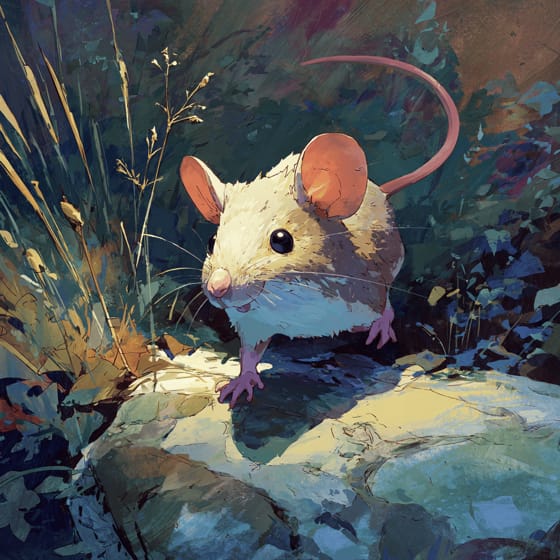
Mus musculus
a primary food source
Anas platyrhynchos
catches birds from water's edge
Canis aureus
competes for resources
Python molurus
a powerful predator
Furry describes animals possessing a dense covering of soft hair or fur.
Marked with spots or patches of a different color.
Solitary animals live alone for most of their lives, only interacting with others for mating or parental care.
An ambush predator hunts by patiently waiting and concealing itself, then launching a sudden attack when unsuspecting prey comes within range.

This habitat trait identifies species found in wetlands, which are areas of land saturated with water, either permanently or seasonally, including marshes, swamps, and bogs.

This trait identifies organisms whose diet consists entirely or primarily of animal tissue.

Diurnal animals are primarily active during daylight hours, typically resting or sleeping at night.

This trait identifies organisms that exhibit exceptional swiftness in movement for hunting, escape, or travel.
Danger
3/5 · Moderate
Always admire wild animals from a distance and never try to touch or chase them.
The easiest way to identify Jungle Cat is to use the Snappit nature identifier app.
50-94 cm
2-16 kg
10-14 years
40 km/h
They mainly hunt small mammals, birds, and fish, often near water sources.
Wetlands
Ambush
Zoom in to split clusters and explore where this object has been snapped.
Recent snaps will appear here as new observations are added.
Take the discovery with you
Snap it with Snappit to identify it, learn what makes it special, and add the discovery to your collection.




.jpg&width=800)


.JPG&width=800)



.jpg&width=800)
