





Lady Orchid
Orchis purpurea
The Lady Orchid is a beautiful flower with purple petals that look like a lady in a fancy dress! It blooms in spring and loves to grow in shady places.
Habitat: Woodlands
The Lady Orchid has a robust stem topped with a dense spike of flowers. Its individual blooms feature a distinctive dark purple helmet-like upper sepal and a pale, often white or pinkish, three-lobed lower lip marked with darker purple spots and lines, resembling a tiny figure.
Category
PlantsRarity
Common
Danger
1/5 · Very low
Snaps
Be the first to snap!
Baby Lady Orchids get all their first meals from invisible fungi under the soil.
Its flower petals look just like a little person wearing a fancy purple hood!
Some orchids can live for over 100 years, growing new flowers each spring!
This orchid's name comes from its resemblance to a lady in an elegant dress.
Lady Orchid has a clever scent that tricks insects into pollinating it, even though it offers no nectar reward!
Lady Orchid's tiny seeds need help from special underground fungi to sprout and grow strong.
Lady Orchid stores energy in underground tubers, letting it survive cold winters and bloom again next spring.
Bombus terrestris
Attracted to its deceptive flowers.
Rhizoctonia repens
Provides essential nutrients to the orchid's seeds.
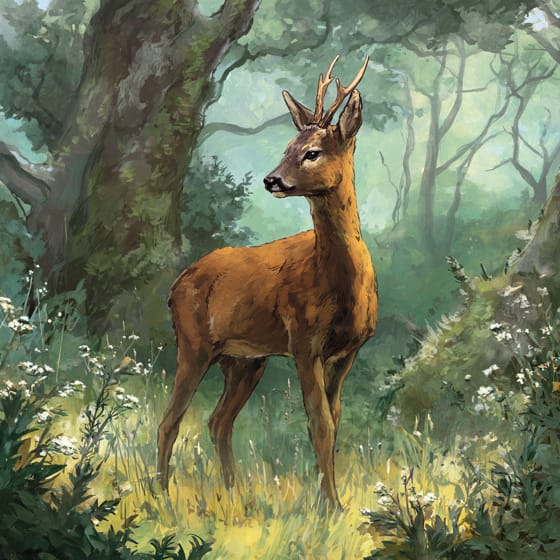
Capreolus capreolus
May browse on its leaves and flowers.
Arion rufus
Slugs and snails can feed on orchid foliage.
Flowering plants are any plants that produce flowers as part of their reproductive cycle.
Shade tolerant plants are adapted to grow and thrive in areas with low light levels, requiring less direct sunlight.
Spring blooming plants produce their flowers during the spring season, often signifying the end of winter and the start of new growth.
Fragrant flowers emit a pleasant aroma, often to attract pollinators or for defense.

Colorful describes organisms or objects displaying a wide range of bright and distinct colors.

Describes plants that are particularly attractive and beneficial to a wide range of pollinating organisms.

Forest habitats are terrestrial environments dominated by dense tree cover, supporting a high diversity of plant and animal life.

This trait characterizes organisms with an exceptionally long lifespan compared to others of their kind.

Endangered status indicates a species is at a very high risk of extinction in the wild in the near future.
No aliases listed yet.
Danger
1/5 · Very low
Do not pick flowers in the wild; they are homes for many insects.
The easiest way to identify Lady Orchid is to use the Snappit nature identifier app.
30-80 cm
15-30 cm
1-2.5 cm
Spring
No
None
Perennial
Zoom in to split clusters and explore where this object has been snapped.
Recent snaps will appear here as new observations are added.
Take the discovery with you
Snap it with Snappit to identify it, learn what makes it special, and add the discovery to your collection.







.jpg&width=800)


_001.jpg&width=800)


