





Larger Empty Oak Apple Wasp
amphibolips quercusinanis
The Larger Empty Oak Apple Wasp is a tiny insect that makes special homes called galls on oak trees! These galls are like little balloons where the wasp grows before it becomes an adult.
Habitat: Forests with oak trees
The Larger Empty Oak Apple Wasp is a small, dark reddish-brown to black insect with a shiny, smooth body. It has clear, membranous wings with distinct dark veins. Its compact, somewhat robust build and dark coloration visually distinguish it from many slender, brightly colored wasps.
Category
InsectsRarity
Common
Danger
1/5 · Very low
Snaps
3
Adult wasps don't sting humans; their ovipositor is used only for laying eggs!
Different generations of this wasp look so different, they were once thought to be separate species!
The 'oak apple' galls can grow surprisingly large, sometimes the size of a golf ball!
These wasps spend most of their larval lives hidden inside their amazing gall homes.
Larger Empty Oak Apple Wasp can chemically induce oak trees to grow a protective 'oak apple' gall because of special substances injected during egg-laying.
Larger Empty Oak Apple Wasp has the ability to reproduce both sexually and asexually, helping them to colonize new areas efficiently.
Tiny larvae munch on oak tree cells inside special growths called galls.
Age differences: Larvae feed on oak gall tissue, while adults typically do not feed or only consume nectar/honeydew.
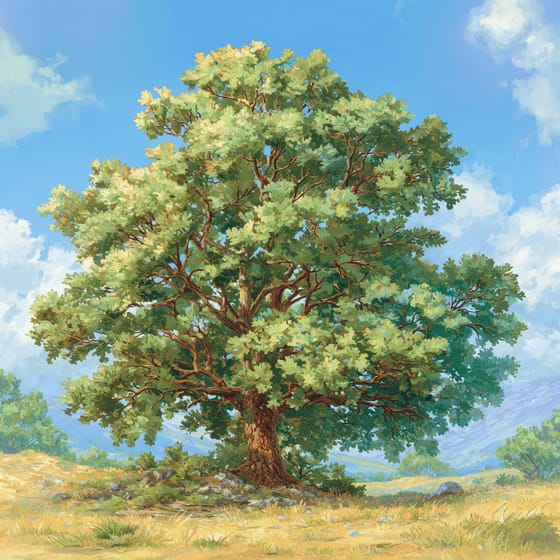
Quercus alba
Induces galls on leaves and twigs for larval development.
Torymus splendens
Larvae within the gall are often attacked by these parasitic wasps.
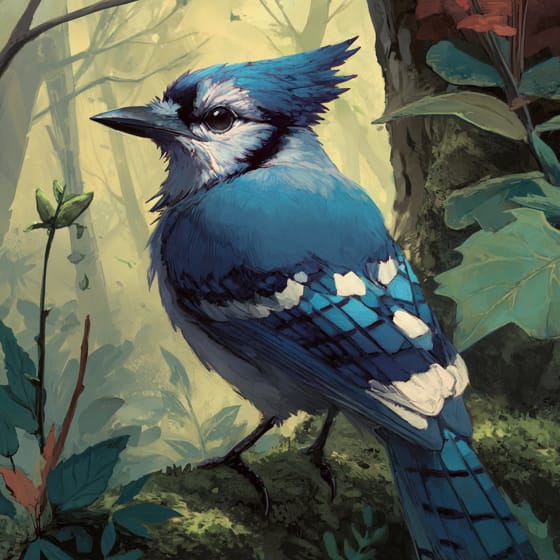
Cyanocitta cristata
Adult wasps can become prey for insectivorous birds in oak trees.
Solitary animals live alone for most of their lives, only interacting with others for mating or parental care.
Describes organisms that break down dead organic material, recycling nutrients back into the ecosystem.
Forest habitats are terrestrial environments dominated by dense tree cover, supporting a high diversity of plant and animal life.
Diurnal animals are primarily active during daylight hours, typically resting or sleeping at night.

Describes organisms that transfer pollen, enabling the fertilization and reproduction of plants.
Danger
1/5 · Very low
No special safety notes yet.
The easiest way to identify Larger Empty Oak Apple Wasp is to use the Snappit nature identifier app.
3-5 mm
7-20 days
Tiny larvae munch on oak tree cells inside special growths called galls.
Forests with oak trees
6
Zoom in to split clusters and explore where this object has been snapped.

Vermont, US
You might spot Japanese Knotweed and Red-Bellied Woodpecker.
View guide →

New York, US
You might spot Green Frog, American White Waterlily, and American Toad.
View guide →

Massachusetts, US
You might spot Lesser Celandine, Red-Tailed Hawk, and Bloodroot.
View guide →
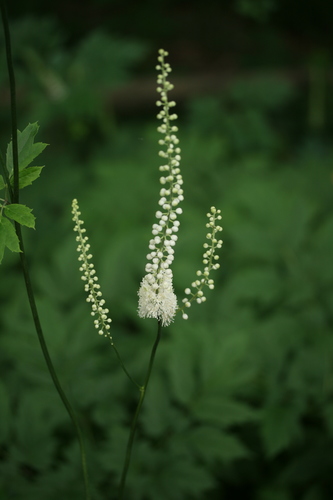
Virginia, US
You might spot Black Cohosh, Common Coral Slime, and Rue Anemone.
View guide →
Take the discovery with you
Snap it with Snappit to identify it, learn what makes it special, and add the discovery to your collection.








.jpg&width=800)



