





Laughing Dove
Spilopelia senegalensis
The Laughing Dove is a small, gentle bird known for its sweet cooing sounds. It has beautiful brown and gray feathers and loves to hang out in gardens and parks.
Habitat: Urban areas
The Laughing Dove is a small, slender dove with a pale rufous-pink breast and a blue-grey head. It has a distinctive dark, finely spotted neck patch that sets it apart, and a relatively long tail.
Category
BirdsRarity
Common
Danger
1/5 · Very low
Snaps
Be the first to snap!
Doves drink water by sucking it up like a straw, unlike most birds!
Its "laughing" call sounds like a cheerful "coo-coo-coo-coo," a delightful sound!
Laughing Doves often build flimsy nests in unusual, safe spots like thorny bushes.
They can live in busy cities and quiet deserts, showing amazing adaptability!
Laughing Dove has efficient water-use adaptations, allowing them to thrive in hot, dry environments.
Laughing Dove can skillfully spot tiny seeds on the ground, helping them find food easily.
Laughing Dove can explode into rapid flight, helping them quickly escape from predators.
These little birds love munching on seeds, grains, and sometimes tiny insects found on the ground.
Falco tinnunculus
A natural predator that hunts small birds.
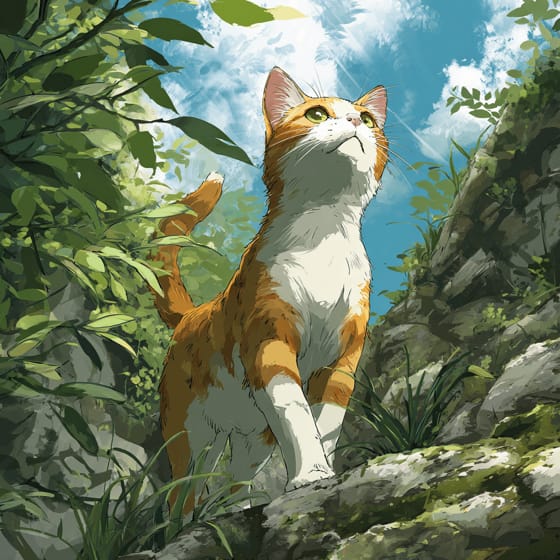
Felis catus
Often preys on doves in human-populated areas.
Senegalia senegal
Provides seeds and nesting sites for doves.

Triticum aestivum
Consumes fallen grains from agricultural fields.
Feathered describes animals, primarily birds, possessing a covering of feathers.
Social animals live in organized groups, cooperating for survival benefits such as foraging, defense, and raising offspring.
Singing animals produce complex vocalizations, often for purposes of attracting mates, defending territory, or communicating within their species.
This trait characterizes organisms whose diet consists entirely or primarily of plant material.

Diurnal animals are primarily active during daylight hours, typically resting or sleeping at night.

This habitat trait indicates species that can coexist with humans in urban and suburban environments, utilizing man-made structures and green spaces.
Danger
1/5 · Very low
Always watch birds from a distance and don't try to touch them.
The easiest way to identify Laughing Dove is to use the Snappit nature identifier app.
25-28 cm
35-42 cm
0.08-0.12 kg
3-7 years
60 km/h
These little birds love munching on seeds, grains, and sometimes tiny insects found on the ground.
Urban areas
Zoom in to split clusters and explore where this object has been snapped.
Recent snaps will appear here as new observations are added.
Take the discovery with you
Snap it with Snappit to identify it, learn what makes it special, and add the discovery to your collection.




.jpg&width=800)








