





leafy elephant's-foot
Elephantopus carolinianus
The leafy elephant's-foot is a fun plant with big, fuzzy leaves that look like elephant feet! It grows in sunny places and can be found in fields and along roadsides.
Habitat: Grasslands
The leafy elephant's-foot has broad, hairy, oval leaves clustered near the base and along its upright stems. Its small, purple-pink, thistle-like flowers are grouped in tight, branched clusters at the top, creating a fuzzy, star-shaped appearance.
Category
PlantsRarity
Common
Danger
1/5 · Very low
Snaps
Be the first to snap!
Its name comes from its large, rough leaves, which look like an elephant's foot!
Some related 'elephant's-foot' plants were traditionally used in herbal medicines!
This plant is a favorite snack for deer, who munch its leaves, but it usually grows back!
Tiny purple flowers work together to create a showy, eye-catching bloom cluster!
The leafy elephant's-foot has hairy leaves that help it reduce water loss and deter some hungry insects.
Its tiny flowers grow in tight clusters surrounded by protective bracts, making a bigger target for pollinators.
The leafy elephant's-foot has a strong root system that helps it survive dry periods and stay firmly in place.
Apis mellifera
Visits flowers for nectar and pollen.
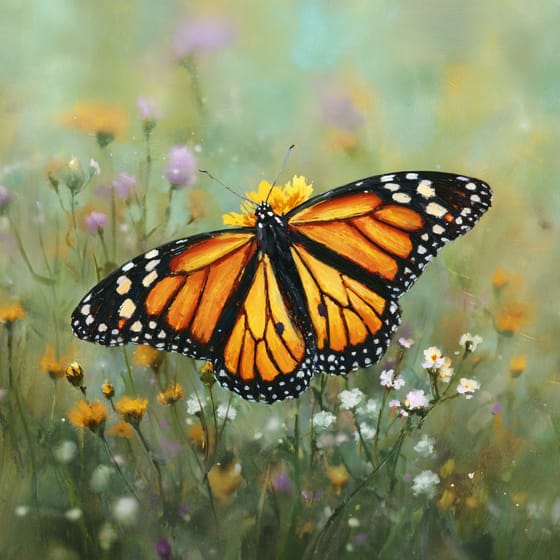
Danaus plexippus
Feeds on nectar, aiding in plant reproduction.
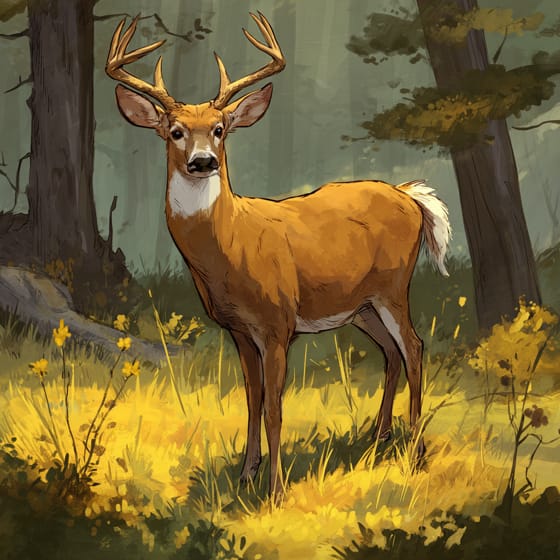
Odocoileus virginianus
Commonly browses on its leaves and stems.
Furry describes animals possessing a dense covering of soft hair or fur.
Flowering plants are any plants that produce flowers as part of their reproductive cycle.
Summer blooming plants produce their flowers during the summer season, often providing vibrant color when many other plants have finished.
Broadleaf trees are angiosperms characterized by flat, wide leaves that are typically shed annually in temperate climates.

Grassland habitats are terrestrial biomes dominated by grasses and herbaceous plants, supporting a variety of grazing animals.

Describes plants that are particularly attractive and beneficial to a wide range of pollinating organisms.
No aliases listed yet.
Danger
1/5 · Very low
Always look but don't touch plants unless you know they are safe.
The easiest way to identify leafy elephant's-foot is to use the Snappit nature identifier app.
30-100 cm
20-40 cm
0.5-1 cm
Summer-fall
No
None
Perennial
Zoom in to split clusters and explore where this object has been snapped.
Recent snaps will appear here as new observations are added.
Take the discovery with you
Snap it with Snappit to identify it, learn what makes it special, and add the discovery to your collection.




.jpg)




.jpg&width=800)


_001.jpg&width=800)




