





Leafy Spurge Hawkmoth
Hyles euphorbiae
The Leafy Spurge Hawkmoth is a colorful insect that loves to flutter around gardens and fields. Its caterpillars are bright and can be found munching on leafy plants.
Habitat: Grasslands
The Leafy Spurge Hawkmoth has olive-green forewings marked with a distinctive reddish-pink stripe, while its hindwings are black with a striking bright pink band. Its robust, torpedo-shaped body is also olive-green, creating a unique and vibrant appearance that sets it apart from many other moths.
Category
InsectsRarity
Common
Danger
1/5 · Very low
Snaps
1
Adult Leafy Spurge Hawkmoths drink nectar but do not eat any solid food.
Its caterpillars wear stunning yellow, black, and red warning colors to scare away birds!
These moths help control the invasive leafy spurge plant by eating it!
They can hover like tiny helicopters while they sip nectar from deep flowers!
Leafy Spurge Hawkmoth larvae can display bright yellow, black, and red patterns that warn predators of their toxicity, keeping them safe.
Leafy Spurge Hawkmoth can hover like a hummingbird while using its long proboscis to sip nectar from deep flowers with precision.
Leafy Spurge Hawkmoth has powerful, streamlined wings that enable incredibly fast and agile flight, helping it escape danger swiftly.
Caterpillars munch on specific plants, while adults sip sweet nectar from flowers.
Age differences: Larvae consume leafy spurge and other Euphorbia plants, while adults exclusively feed on flower nectar.
Euphorbia esula
Larvae consume its leaves.
.jpg&width=800)
Euphorbia cyparissias
Larvae also feed on this plant.
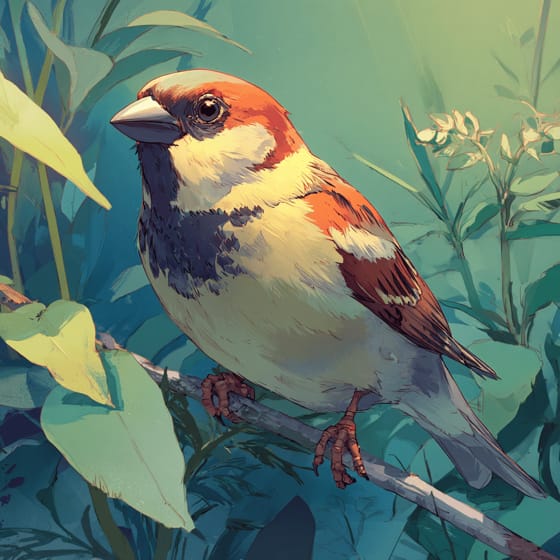
Passer domesticus
Birds prey on adult moths and larvae.
Vespula vulgaris
Wasps may hunt larvae for food.
Solitary animals live alone for most of their lives, only interacting with others for mating or parental care.
Camouflaged describes organisms that possess coloring or patterns that allow them to blend into their environment.
Colorful describes organisms or objects displaying a wide range of bright and distinct colors.
Grassland habitats are terrestrial biomes dominated by grasses and herbaceous plants, supporting a variety of grazing animals.

This trait characterizes organisms whose diet consists entirely or primarily of plant material.

This trait identifies organisms that exhibit exceptional swiftness in movement for hunting, escape, or travel.

Nocturnal animals are primarily active during the nighttime hours, typically resting or sleeping during the day.

Describes organisms that transfer pollen, enabling the fertilization and reproduction of plants.
No aliases listed yet.
Danger
1/5 · Very low
Always watch moths from a distance and don't touch them, as they can be delicate.
The easiest way to identify Leafy Spurge Hawkmoth is to use the Snappit nature identifier app.
60-80 mm
30-40 mm
7-21 days
25 km/h
Caterpillars munch on specific plants, while adults sip sweet nectar from flowers.
Grasslands
Foraging
Zoom in to split clusters and explore where this object has been snapped.
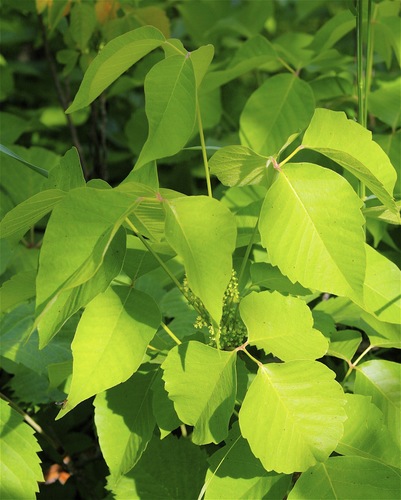
North Dakota, US
You might spot Western Poison Ivy, Wild Licorice, and Leadplant.
View guide →

Michigan, US
You might spot Mute Swan, Monarch, and Common Milkweed.
View guide →

Aragon, ES
You might spot Androsace Ciliata and Purple Saxifrage.
View guide →

Wyoming, US
You might spot Prairie Dog, Bur Oak, and Rocky Mountains Ponderosa Pine.
View guide →
Take the discovery with you
Snap it with Snappit to identify it, learn what makes it special, and add the discovery to your collection.







.jpg&width=800)



