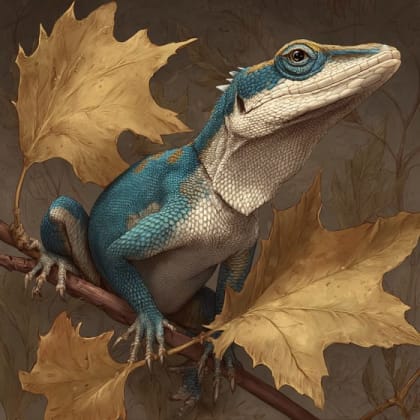
Green Iguana

Morikami Museum and Japanese Gardens offers a serene escape with authentic Japanese culture in Florida.
Morikami Museum and Japanese Gardens offers a serene escape with authentic Japanese culture in Florida. This cultural gem in Delray Beach provides an immersive experience into Japanese art, history, and gardening traditions, making it a unique destination in South Florida. It stands as a testament to the enduring connection between Japan and the Sunshine State, offering tranquility and beauty for all who visit.
The heart of Morikami is its 16-acre Roji-en, "Garden of the Drops of Dew," featuring six distinct Japanese garden styles, each inspired by a different historical period, from the 9th to the 20th century. Visitors can wander through the contemplative Early Rock Garden, the picturesque Paradise Garden, and the naturalistic Modern Romantic Garden. Beyond the stunning landscapes, the museum houses a world-class Bonsai Collection, recognized as a World Bonsai Friendship Federation Cooperation Center, showcasing meticulously trained miniature trees. Cultural immersion continues with the authentic Seishin-an Tea House, where traditional tea ceremonies are performed, and the Yamato-kan, which exhibits the history of the pioneering Yamato Colony.
A visit to Morikami is an invitation to slow down, reflect, and find harmony with nature, away from the everyday hustle. With its blend of art, history, and breathtaking natural beauty, the museum and gardens offer a memorable cultural journey, inspiring visitors through year-round cultural programming and seasonal Japanese festivals. It's a place where every turn of the path reveals a new perspective and a deeper appreciation for Japanese aesthetics. Don't forget to bring the Snappit nature identification app along to scan local species.
The Morikami Museum and Japanese Gardens stands as a living legacy to the Yamato Colony, an agricultural community of young Japanese farmers who settled in what is now northern Boca Raton in the early 1900s. The colony, named after an ancient term for Japan, aimed to introduce innovative farming practices but faced significant challenges. George Sukeji Morikami, a Japanese immigrant and the last surviving member of this pioneering colony, generously donated his 200-acre farm to Palm Beach County in the mid-1970s, with the vision of creating a park to preserve the memory of the Yamato Colony. This extraordinary gift led to the establishment of the Morikami Museum and Japanese Gardens. The original museum building, the Yamato-kan, opened in 1977, followed by the larger main museum building in 1993 to accommodate growing interest and programming. The extensive Roji-en gardens, designed by renowned landscape architect Hoichi Kurisu, were meticulously crafted and completed in 2001, providing a comprehensive representation of Japanese garden styles throughout history.
Walk the 7/8-mile path through the gardens, immerse yourself in Japanese art and cultural exhibits, participate in a tea ceremony, and relax by the koi pond. Don't miss the distinct architectural features like the Wisdom Ring stone lantern and the Shishi Odoshi (Deer Chaser) bamboo water feature.
The museum and gardens are closed on Mondays and major holidays.
The historic Yamato-kan building may be closed during the hot South Florida summer months.
Morikami hosts several traditional Japanese festivals annually, including Oshogatsu (New Year's) in January, Hatsume Fair in April, and the Lantern Festival (Obon) in October, drawing large crowds and featuring cultural performances and vendors. Sunset Strolls are also offered in spring and fall.
Morikami Museum and Japanese Gardens is largely wheelchair accessible, particularly the main museum areas and pathways closest to the entrance. The 7/8-mile garden path consists of compacted natural material, and wheelchairs with larger tires are recommended for navigating its entirety. Park benches are strategically placed throughout the gardens for resting. Accessible parking and ramp access to the gardens (near the Cornell Café) are available. While service animals are permitted, wheelchairs are not provided by the museum.
Stroll through the six diverse garden styles: Shinden, Paradise, Early Rock, Karesansui (dry landscape), Hiraniwa Flat, and Modern Romantic Gardens.
Marvel at the world-class collection of meticulously cultivated bonsai trees.
Explore the original museum building, which houses exhibits detailing the history of the Yamato Colony and "Japan Through the Eyes of a Child."
Witness a traditional Japanese tea ceremony demonstration on select Saturdays.
Each card links to a full Explore page with photos, traits, and fun facts.
Start with the big picture, then zoom in to explore individual wildlife observations around this place.
Allocate sufficient time
Plan for at least 3-5 hours to fully explore the extensive gardens, museum exhibits, and enjoy a meal without feeling rushed.
Wear comfortable shoes
The garden path is nearly a mile long and involves walking on compacted natural material, so comfortable footwear is essential.
Visit early
Arriving right at opening (10 AM) often provides cooler temperatures and a more serene atmosphere before larger crowds gather.
Check the event calendar
Morikami hosts various seasonal festivals and cultural demonstrations, including tea ceremonies. Check their schedule in advance to enhance your visit.
Bring a small camera
Personal photography is encouraged with a small handheld camera, but additional equipment like large tripods or wardrobe changes are generally not permitted without prior arrangement.
Feed the koi
Purchase food to interact with the vibrant koi fish in the pond, a popular activity for all ages.
Jun 6, 2026
Jun 6, 2026
Jun 6, 2026
Jun 6, 2026
Jun 5, 2026

Maryland, US
You might spot White-Tailed Deer and Eastern Gray Squirrel.
View guide →
.jpg)
District of Columbia, US
You might spot Eastern Gray Squirrel, Duck, and House Sparrow.
View guide →

Illinois, US
You might spot American Robin, Canada Goose, and House Sparrow.
View guide →

Virginia, US
You might spot Spotted Lanternfly and Northern Cardinal.
View guide →
Take the discovery with you
Identify the wildlife you spot, learn as you go, and keep a collection of the adventure.

















.jpg&width=800)
.jpg&width=800)