.jpg&width=800)





Atlantic Ghost Crab
ocypode quadrata
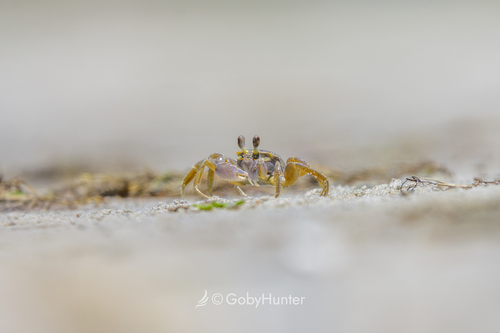
The Atlantic Ghost Crab is a fun and speedy little crab that loves to scurry across sandy beaches! With its light color, it can blend in with the sand, making it a sneaky critter to spot!
Habitat: They live on sandy beaches and coastal areas.
The Atlantic Ghost Crab is a pale, sandy-colored crab with a squarish body and large, stalked eyes. Its light body color allows it to blend almost perfectly into the beach environment, making it incredibly hard to spot as it scurries across the sand.
Category
InvertebrateRarity
Common
Danger
1/5 · Very low
Snaps
12
Baby ghost crabs start life in the ocean and only move onto land as they grow bigger!
Ghost crabs can breathe air but must keep their gills moist, like they have built-in humidifiers!
If a ghost crab loses a leg in a fight, it can amazingly grow a new one back over time!
They make drumming sounds with their claws to talk to other crabs in their sandy neighborhood.
Atlantic Ghost Crab has a light, sandy exoskeleton that helps them blend seamlessly into the beach to avoid predators.
Atlantic Ghost Crab can run incredibly fast across the sand, reaching speeds of up to 8 km/h, to escape danger.
Atlantic Ghost Crab has eyes on tall stalks that give them nearly 360-degree vision, helping them spot threats quickly.
Atlantic Ghost Crab can quickly dig deep burrows in the sand to hide from the sun, extreme weather, and predators.
An omnivore, it eats tiny ocean creatures, dead plants, and even other crabs!
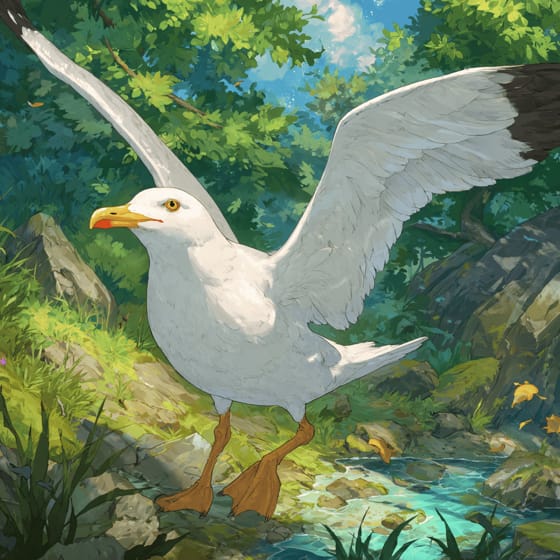
Larus argentatus
Gulls often hunt young crabs on the beach.
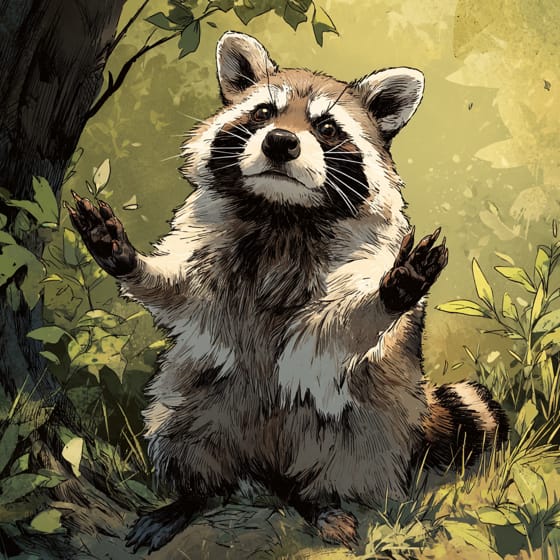
Procyon lotor
Raccoons raid beaches at night for crabs.
Donax variabilis
Crabs dig for and consume these small clams.
Emerita talpoida
A common food source found in the surf zone.
Burrowing animals dig tunnels and chambers in the ground, using these subterranean structures for shelter, hunting, or breeding.
Coastal habitats are dynamic environments located along the interface between land and sea, influenced by tides, waves, and saltwater.
This trait identifies organisms whose diet consists entirely or primarily of animal tissue.
Marine habitats encompass all saltwater environments of the Earth's oceans, supporting an immense diversity of aquatic life.

Nocturnal animals are primarily active during the nighttime hours, typically resting or sleeping during the day.
Danger
1/5 · Very low
Be careful not to touch their claws, they can pinch!
The easiest way to identify Atlantic Ghost Crab is to use the Snappit nature identifier app.
7 cm
90 g
4 years
8 km/h
An omnivore, it eats tiny ocean creatures, dead plants, and even other crabs!
They live on sandy beaches and coastal areas.
Foraging
Zoom in to split clusters and explore where this object has been snapped.
Jun 2, 2026
Stone Harbor Bird SanctuaryPhoto attribution
(c) GobyHunter, some rights reserved (CC BY)
License: CC BY 4.0 ↗
Image may be shown cropped inside the card frame.

US
You might spot Firewheel, Domestic Horse, and Atlantic Horseshoe Crab.
View guide →

Virginia, US
You might spot Eastern Gray Squirrel, Duck, and Northern Mockingbird.
View guide →

Texas, US
You might spot Bottlenose Dolphin and Sea Turtle.
View guide →

New Jersey, US
You might spot Common Loon, Laughing Gull, and Ring-Billed Gull.
View guide →
North Carolina, US
You might spot Sanderling, Laughing Gull, and Brown Pelican.
View guide →

North Carolina, US
You might spot Firewheel, Domestic Horse, and Atlantic Horseshoe Crab.
View guide →
Take the discovery with you
Snap it with Snappit to identify it, learn what makes it special, and add the discovery to your collection.