.jpg&width=800)





Lichen-carrying Green Lacewing
Leucochrysa pavida
The Lichen-carrying Green Lacewing is a tiny insect that loves to carry bits of lichen on its back! This helps it blend in with its surroundings and stay safe from predators.
Habitat: Forests
The Lichen-carrying Green Lacewing is a delicate insect with a slender, pale green body and large, iridescent, veined wings. Its unique feature is the remarkable camouflage created by fragments of lichen and other debris it carries on its back, making it blend seamlessly into its surroundings.
Category
InsectsRarity
Common
Danger
1/5 · Very low
Snaps
7
Adult lacewings have huge, golden eyes that sparkle brightly in the light!
Baby 'trash bugs' wear hats of lichen and debris to hide from enemies!
Its eggs are laid on tiny silk stalks, making them look like miniature lollipops!
These gentle fliers communicate using subtle buzzing sounds and body vibrations!
Lichen-carrying Green Lacewing can disguise itself with lichen and debris because it helps them become almost invisible to predators.
Lichen-carrying Green Lacewing has fierce, sickle-shaped jaws as a larva that helps them hunt and eat small plant pests.
Lichen-carrying Green Lacewing can sense vibrations through their legs that helps them detect nearby prey or threats.
Adults sip nectar, but hungry larvae are mighty hunters of soft-bodied garden pests.
Age differences: Larvae are voracious predators of soft-bodied insects, while adults primarily feed on nectar and pollen.
Aphis gossypii
larvae are voracious predators of these common plant pests
Planococcus citri
an important natural control agent for them in gardens
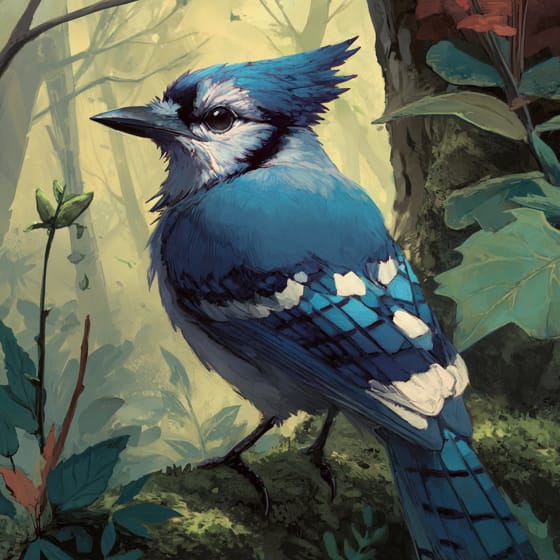
Cyanocitta cristata
adults and larvae can be prey for these opportunistic birds
Misumena vatia
ambush predators on flowers where adult lacewings feed
Solitary animals live alone for most of their lives, only interacting with others for mating or parental care.
Camouflaged describes organisms that possess coloring or patterns that allow them to blend into their environment.
This trait identifies organisms whose diet primarily consists of insects and other small invertebrates.
Describes organisms that break down dead organic material, recycling nutrients back into the ecosystem.

Forest habitats are terrestrial environments dominated by dense tree cover, supporting a high diversity of plant and animal life.

Diurnal animals are primarily active during daylight hours, typically resting or sleeping at night.

Pertaining to species that are significantly smaller than typical or average for their kind.

Describes organisms that transfer pollen, enabling the fertilization and reproduction of plants.
No aliases listed yet.
Danger
1/5 · Very low
These insects are friendly and safe to observe. Just be gentle and don't touch them.
The easiest way to identify Lichen-carrying Green Lacewing is to use the Snappit nature identifier app.
30-40 mm
15-20 mm
20-60 days
8 km/h
Adults sip nectar, but hungry larvae are mighty hunters of soft-bodied garden pests.
Forests
Foraging
Zoom in to split clusters and explore where this object has been snapped.

Georgia, US
You might spot Common Vetch, Tiny Bluet, and Carolina Crane's-Bill.
View guide →

Tennessee, US
You might spot Black Bear, Yellow Wakerobin, and Pipevine Swallowtail.
View guide →

Georgia, US
You might spot Eastern Gray Squirrel, Domestic Cat, and American Robin.
View guide →

Georgia, US
You might spot Eastern Gray Squirrel, Domestic Cat, and American Robin.
View guide →

Georgia, US
You might spot Eastern Gray Squirrel, Domestic Cat, and Anole.
View guide →

Georgia, US
You might spot Eastern Gray Squirrel, Domestic Cat, and American Robin.
View guide →
Take the discovery with you
Snap it with Snappit to identify it, learn what makes it special, and add the discovery to your collection.








.jpg&width=800)



