_on_marine_beach_(Cayo_Costa_Island%2C_Florida%2C_USA)_(23700747493).jpg&width=800)





Lightning Whelk
Sinistrofulgur sinistrum
The Lightning Whelk is a special sea snail with a beautiful spiral shell. It lives in sandy areas along the coast and is known for its unique left-handed shell twist!
Habitat: Coastal areas
The Lightning Whelk has a distinctive left-twisting, conical shell, usually greyish-white or tan, adorned with dark purplish-brown 'lightning bolt' streaks. Its aperture is large and oval.
Category
InvertebrateRarity
Common
Danger
1/5 · Very low
Snaps
Be the first to snap!
Empty whelk shells often become homes for hermit crabs, giving them a safe place to live!
Lightning Whelks lay their eggs in long, papery strands that look like a string of discs!
The zigzag stripes on its shell look just like lightning, giving it its awesome name!
This whelk is a 'lefty'! Its shell twists counter-clockwise, which is super rare for snails!
Lightning Whelk has a unique left-twisting shell that makes it difficult for right-handed predators to open or hold them.
Lightning Whelk can retract its soft body into its shell and close a hard 'door' (operculum) that helps them stay safe from danger.
Lightning Whelk can quickly dig into sandy seafloors using its strong muscular foot, which helps them hide from predators and ambush prey.
Lightning Whelk uses its powerful foot to pry open the shells of clams and oysters, helping them get to their tasty meal inside.
A mighty hunter, this sea snail uses its powerful foot to pry open shellfish for a tasty meal!
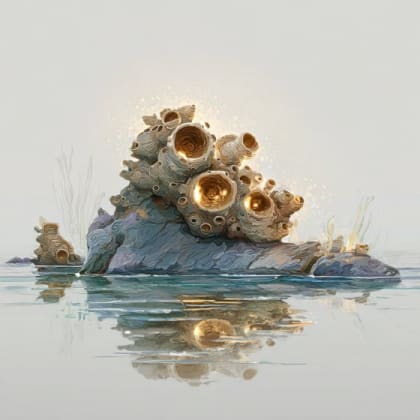
Mercenaria mercenaria
a primary food source for the whelk

Crassostrea virginica
another favorite meal for the whelk
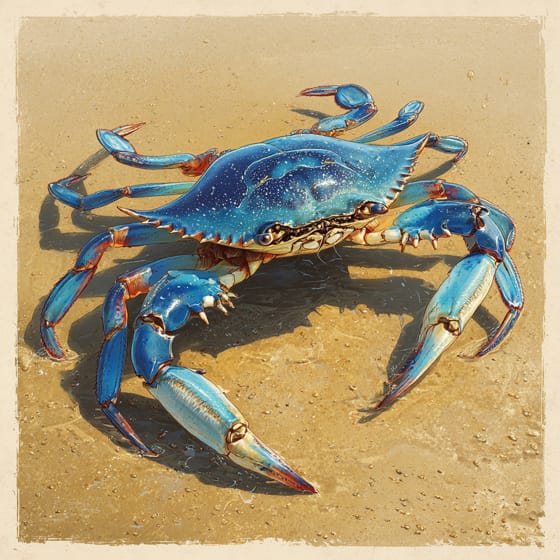
Callinectes sapidus
crabs may prey on smaller or injured whelks
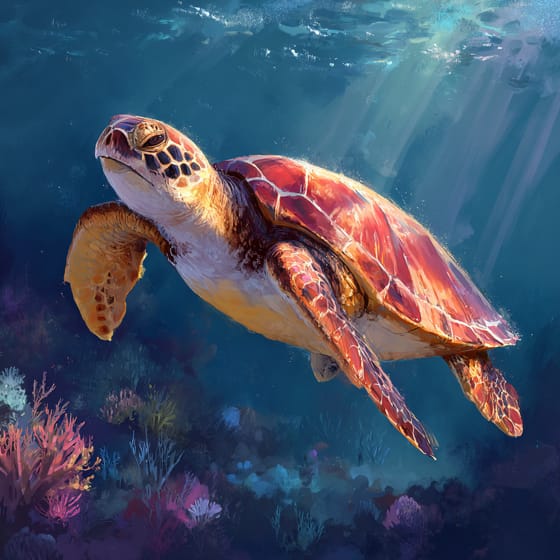
Caretta caretta
sea turtles can crush and eat whelk shells
Solitary animals live alone for most of their lives, only interacting with others for mating or parental care.
Burrowing animals dig tunnels and chambers in the ground, using these subterranean structures for shelter, hunting, or breeding.
Colorful describes organisms or objects displaying a wide range of bright and distinct colors.
Coastal habitats are dynamic environments located along the interface between land and sea, influenced by tides, waves, and saltwater.

This trait identifies organisms whose diet consists entirely or primarily of animal tissue.

Giant describes organisms or objects of significantly larger size than average for their species or type.

Marine habitats encompass all saltwater environments of the Earth's oceans, supporting an immense diversity of aquatic life.
No aliases listed yet.
Danger
1/5 · Very low
Be careful when exploring the beach; always watch where you step!
The easiest way to identify Lightning Whelk is to use the Snappit nature identifier app.
40 cm
700 g
10 years
A mighty hunter, this sea snail uses its powerful foot to pry open shellfish for a tasty meal!
Coastal areas
Pursuit
Zoom in to split clusters and explore where this object has been snapped.
Recent snaps will appear here as new observations are added.
Take the discovery with you
Snap it with Snappit to identify it, learn what makes it special, and add the discovery to your collection.