





Limpkin
Aramus guarauna
The Limpkin is a tall, wading bird that loves to live near water. It has a long neck and a special call that sounds like a spooky ghost! These birds are great at finding tasty snails to eat.
Habitat: Wetlands
The Limpkin is a large, long-legged water bird with dark brown to olive-brown plumage heavily streaked with white, especially on its head and neck. It has a distinctive long, slightly decurved bill that is yellowish with a darker tip, setting it apart from other wetland birds.
Category
BirdsRarity
Common
Danger
1/5 · Very low
Snaps
16
Limpkins often leave tell-tale piles of empty snail shells behind them!
Sometimes, all the Limpkin chicks from one nest hatch on the same day!
Their unique name comes from their slightly jerky, limping walk!
They are the only living member of their entire bird family, Aramidae!
Limpkin has a unique, slightly curved bill that helps them extract apple snails from their shells with amazing precision.
Limpkin can move silently through marsh vegetation because of its long, unwebbed toes that spread its weight.
Limpkin has excellent hearing that helps them locate prey like snails and frogs in dim light or at night.
Limpkins primarily munch on tasty freshwater snails, especially large apple snails, using their specialized bill.
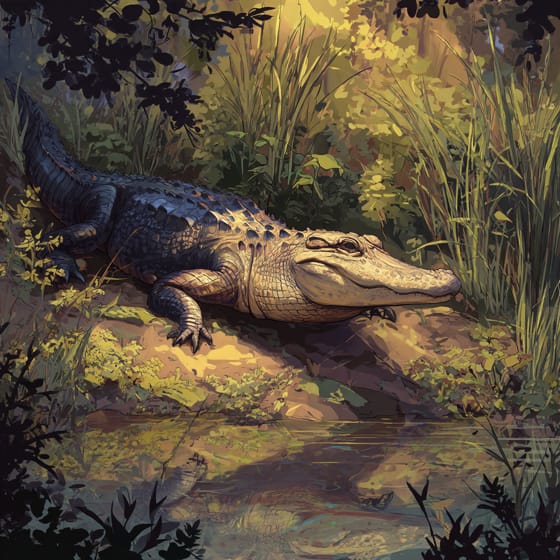
Alligator mississippiensis
Hunts adult Limpkins and their chicks near water.

Procyon lotor
Raids Limpkin nests for eggs and young chicks.
Pomacea paludosa
The Limpkin's primary food source in its Florida range.
Typha latifolia
Provides dense nesting and roosting cover for Limpkins.
Feathered describes animals, primarily birds, possessing a covering of feathers.
Solitary animals live alone for most of their lives, only interacting with others for mating or parental care.
Singing animals produce complex vocalizations, often for purposes of attracting mates, defending territory, or communicating within their species.
This habitat trait identifies species found in wetlands, which are areas of land saturated with water, either permanently or seasonally, including marshes, swamps, and bogs.

This trait identifies organisms whose diet consists entirely or primarily of animal tissue.

Describes a species whose presence and role have a disproportionately large effect on its environment.

Aquatic habitats encompass environments where organisms live predominantly in water, including oceans, rivers, lakes, and wetlands.

Nocturnal animals are primarily active during the nighttime hours, typically resting or sleeping during the day.
No aliases listed yet.
Danger
1/5 · Very low
Always watch birds from a distance and don't try to touch them.
The easiest way to identify Limpkin is to use the Snappit nature identifier app.
64-73 cm
101-107 cm
0.9-1.3 kg
10-15 years
Limpkins primarily munch on tasty freshwater snails, especially large apple snails, using their specialized bill.
Wetlands
Foraging
Zoom in to split clusters and explore where this object has been snapped.

Louisiana, US
You might spot Brown Anole, White Ibis, and Duck.
View guide →

Florida, US
You might spot American Alligator, Brown Anole, and Red-Shouldered Hawk.
View guide →

Florida, US
You might spot Brown Anole, White Ibis, and Anhinga.
View guide →

Florida, US
You might spot Anhinga, American Alligator, and Wood Duck.
View guide →

Florida, US
You might spot American Alligator, Great Blue Heron, and Anhinga.
View guide →

Florida, US
You might spot Duck, Anhinga, and White Ibis.
View guide →
Take the discovery with you
Snap it with Snappit to identify it, learn what makes it special, and add the discovery to your collection.




.jpg&width=800)








