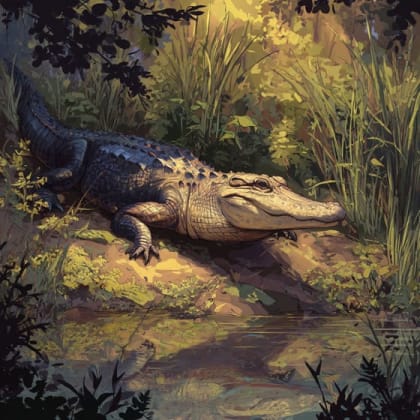





American Alligator

Corkscrew Swamp Sanctuary protects the largest remaining old-growth bald cypress forest in North America, a true jewel of the Western Everglades.
Corkscrew Swamp Sanctuary protects the largest remaining old-growth bald cypress forest in North America, a true jewel of the Western Everglades. This globally recognized Ramsar Wetland of International Importance is celebrated for its unparalleled biodiversity and ancient, towering trees.
The sanctuary's iconic 2.25-mile boardwalk guides visitors on an immersive journey through a diverse tapestry of ecosystems, including sun-dappled pine flatwoods, vibrant wet prairies, tranquil pond cypress stands, and rich marshes. The journey culminates in the awe-inspiring bald cypress forest, where some majestic trees stand nearly 600 years old, soaring 130 feet skyward. Along this elevated pathway, visitors can observe American alligators basking, stealthy river otters, graceful white-tailed deer, and numerous species of wading birds like the endangered wood stork, various herons, egrets, and the brilliantly colored painted bunting. The newly renovated Spurlino Foundation Discovery Center at the Blair Visitor Center further enriches the experience with engaging, hands-on exhibits.
Visiting Corkscrew Swamp Sanctuary offers a profound connection to the untouched beauty of Southwest Florida's wilderness, providing a tranquil escape and unparalleled opportunities for wildlife viewing and photography. The cathedral-like grandeur of the ancient cypress trees, adorned with delicate orchids and bromeliads, creates a truly unforgettable atmosphere. It’s a place to marvel at rare species like the elusive ghost orchid (especially enchanting in summer), and witness firsthand the intricate ecological balance of this vital wetland system, leaving visitors with lasting memories of Florida's natural heritage. Wondering what that bird or insect is? Find out on your visit using the Snappit nature app.
Corkscrew Swamp Sanctuary was established in 1954 with a critical mission: to protect the majestic bald cypress and pond cypress forests from widespread logging that had decimated much of Florida's ancient timberlands in the 1940s and 1950s. The Corkscrew Cypress Rookery Association initially formed to safeguard the area, leading to the National Audubon Society's assumption of management responsibilities and the commencement of boardwalk construction in 1955. The Audubon Society's long-standing conservation efforts, initially focused on protecting birds from the devastating plume trade, evolved to encompass the preservation of their essential habitats. Since its founding, the sanctuary has expanded to over 13,000 acres, cementing its role as a leading force in conservation for the entire Western Everglades.
Enjoy wildlife viewing, birdwatching, and nature photography along the boardwalk. Explore the Blair Visitor Center, which includes a Nature Store. Consider joining one of the guided tours, such as Early Birding Walks, Ancient Forest Tours, or Sunset Strolls, for an enhanced experience.
Winter (Nov-Mar): Pleasant, dry weather. Ideal for birdwatching due to migratory species and concentrated wading birds. The Cypress Café is open during this period.
Spring: Alligators are often seen building their nests, and wood stork nesting colonies might be visible in the cypress tree tops.
Summer (Apr-Oct): Hot and humid with frequent afternoon thunderstorms. This is the best time to spot blooming ghost orchids and swallow-tailed kites. Be aware that biting yellow flies (deer flies) are present from April to June; wearing long sleeves and pants and using bug spray is recommended.
Fall: As water levels rise, alligators and other mammals might be observed moving through the prairie.
The Blair Visitor Center and the entire 2.25-mile boardwalk are fully wheelchair accessible. Complimentary wheelchairs and electric mobility scooters are available for use at the visitor center.
The 2.25-mile boardwalk itself is the main attraction, particularly the ancient bald cypress forest section. Don't miss the Spurlino Foundation Discovery Center at the Blair Visitor Center for engaging exhibits. Lettuce Lake is often a hotspot for concentrated wildlife viewing.
Each card links to a full Explore page with photos, traits, and fun facts.
Start with the big picture, then zoom in to explore individual wildlife observations around this place.
Arrive early
Early mornings offer the best chances for active wildlife sightings and prime lighting conditions for photography.
Pack essentials
Be sure to bring sunblock, insect repellent (especially from April to June for yellow flies), plenty of water, and comfortable, closed-toe shoes with good traction.
Be patient and quiet
Moving slowly and speaking softly will increase your chances of observing the sanctuary's shy inhabitants without disturbing them.
Engage with resources
Pick up a field guide or children's activity book at the admissions desk. Volunteer naturalists are often stationed along the boardwalk, eager to answer questions and help spot wildlife.
Check seasonal conditions
Be mindful of Florida's weather, potential for biting insects, and the best times to see specific animal activities or plant blooms.
Consider online ticket purchase
Booking your admission tickets online in advance is recommended for a smoother entry experience.
Jun 17, 2026
Jun 17, 2026
Jun 17, 2026
Jun 17, 2026
Jun 17, 2026

Maryland, US
You might spot White-Tailed Deer and Eastern Gray Squirrel.
View guide →
.jpg)
District of Columbia, US
You might spot Eastern Gray Squirrel, Duck, and House Sparrow.
View guide →

Illinois, US
You might spot American Robin, Canada Goose, and House Sparrow.
View guide →

Virginia, US
You might spot Spotted Lanternfly and Northern Cardinal.
View guide →
Take the discovery with you
Identify the wildlife you spot, learn as you go, and keep a collection of the adventure.
























_(12743506864).jpg&width=800)