





Northern Wheatear
Oenanthe oenanthe
The Northern Wheatear is a small bird with a beautiful, colorful plumage. It loves to hop around on the ground and can be found in open areas like fields and mountains.
Habitat: Grasslands
The Northern Wheatear has a distinctive white rump and tail with an inverted black 'T' pattern. Males sport a blue-grey back, black wings, and a prominent black eye mask, while females are duller brown. Their slender build and upright stance on the ground are characteristic.
Category
BirdsRarity
Common
Danger
1/5 · Very low
Snaps
2
Males have a distinctive black "mask" across their eyes, making them look mysterious!
Their name "Wheatear" means "white arse" in Old English, for its bright white rump!
These tiny birds are champions of migration, some flying from Arctic Canada to Africa!
They often nest in old burrows dug by rabbits or other small animals for safety!
Northern Wheatears can fly vast distances, even across oceans, because this helps them find the best food and breeding sites.
Northern Wheatears can quickly dart to catch flying insects because this helps them find prey in open, rocky areas.
Northern Wheatears can nest in abandoned burrows or rock crevices because this helps protect their eggs and chicks.
Northern Wheatears mostly eat insects and other small creepy crawlies they find on the ground.
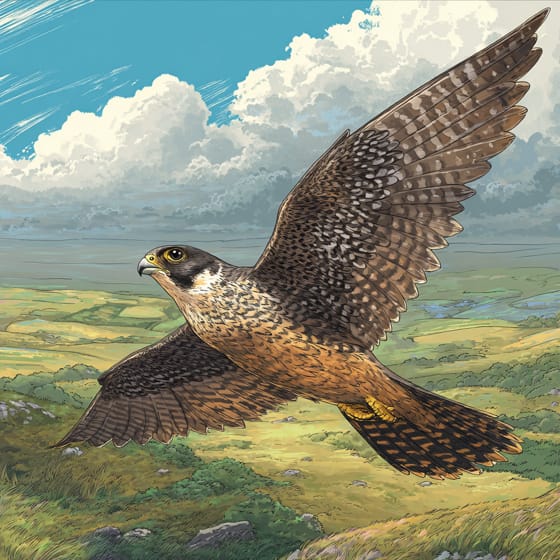
Falco columbarius
Swift aerial predator of small birds

Felis catus
Opportunistic predator, especially near settlements

Carabus violaceus
Common ground beetle prey item
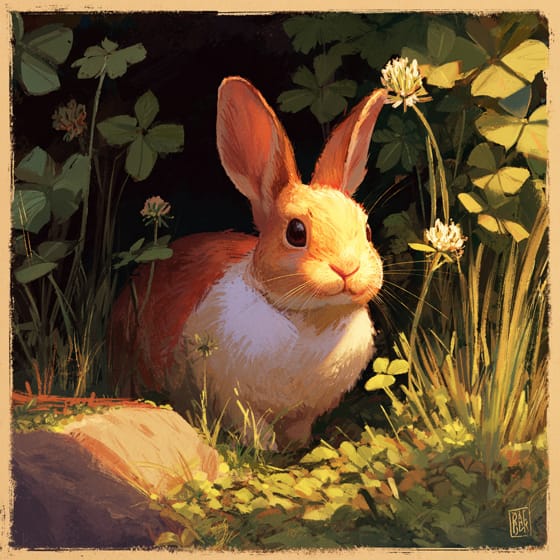
Oryctolagus cuniculus
Uses abandoned rabbit burrows for nesting
Feathered describes animals, primarily birds, possessing a covering of feathers.
Social animals live in organized groups, cooperating for survival benefits such as foraging, defense, and raising offspring.
Singing animals produce complex vocalizations, often for purposes of attracting mates, defending territory, or communicating within their species.
Colorful describes organisms or objects displaying a wide range of bright and distinct colors.

Grassland habitats are terrestrial biomes dominated by grasses and herbaceous plants, supporting a variety of grazing animals.

This trait identifies organisms whose diet primarily consists of insects and other small invertebrates.

Diurnal animals are primarily active during daylight hours, typically resting or sleeping at night.

Migratory animals undertake seasonal movements from one region to another, typically in response to changes in climate or food availability.
No aliases listed yet.
Danger
1/5 · Very low
Enjoy watching birds from a distance and don't try to touch them.
The easiest way to identify Northern Wheatear is to use the Snappit nature identifier app.
14.5-16.5 cm
26-32 cm
0.017-0.03 kg
2-5 years
45 km/h
Northern Wheatears mostly eat insects and other small creepy crawlies they find on the ground.
Grasslands
Zoom in to split clusters and explore where this object has been snapped.
Take the discovery with you
Snap it with Snappit to identify it, learn what makes it special, and add the discovery to your collection.






.jpg&width=800)







