.jpg&width=800)





Linden Looper Moth
Erannis tiliaria
The Linden Looper Moth is a small, fuzzy moth that loves to flutter around trees. Its wings are light brown with pretty patterns, making it look like a little piece of nature's art!
Habitat: Forests
The Linden Looper Moth is typically yellowish-tan to light brown, often with two wavy, darker lines across its forewings. Males have feathery antennae and fully developed wings, while the female is almost entirely wingless, appearing as a fuzzy, spider-like creature with stubby wing vestiges, making her distinct.
Category
InsectsRarity
Common
Danger
1/5 · Very low
Snaps
1
Adult Linden Looper Moths do not eat, living off energy stored as caterpillars!
Its caterpillars are called 'inchworms' for their unique looping movement.
The female moth looks like a fuzzy spider because she has almost no wings!
They are one of few moth species active during chilly late autumn or early winter.
Linden Looper Moth larvae can disguise themselves as twigs because their 'looping' movement and stick-like bodies help them blend into tree branches.
Female Linden Looper Moths have tiny or no wings that help them conserve energy for egg-laying and avoid airborne predators more effectively.
Linden Looper Moths can find mates in late fall or early winter because they are adapted to emerge and be active in colder temperatures.
Caterpillars munch on tree leaves; adult moths do not eat at all!
Age differences: Larvae (caterpillars) are herbivorous, feeding on tree leaves. Adults do not feed.
Tilia americana
Caterpillars feed on its leaves.
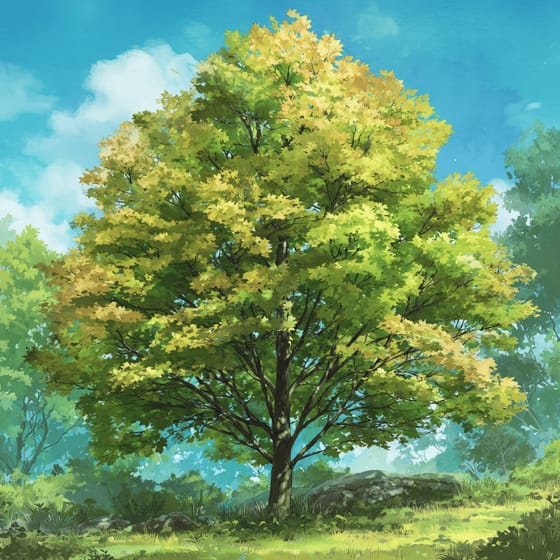
Acer saccharum
A common host plant for its caterpillars.
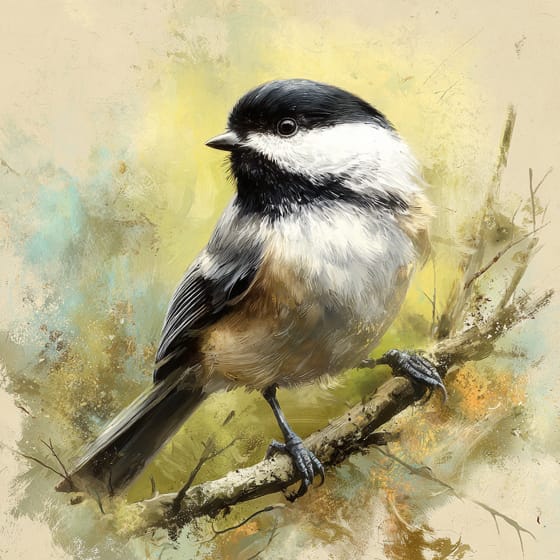
Poecile atricapillus
Birds prey on adult moths and larvae.
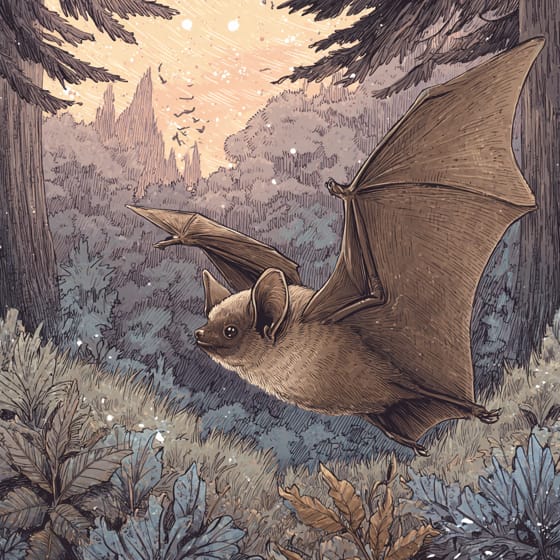
Myotis lucifugus
Bats hunt nocturnal adult moths.
Telenomus californicus
This tiny wasp lays eggs inside the moth's eggs.
Furry describes animals possessing a dense covering of soft hair or fur.
Solitary animals live alone for most of their lives, only interacting with others for mating or parental care.
Camouflaged describes organisms that possess coloring or patterns that allow them to blend into their environment.
This trait characterizes organisms whose diet consists entirely or primarily of plant material.

Forest habitats are terrestrial environments dominated by dense tree cover, supporting a high diversity of plant and animal life.

Nocturnal animals are primarily active during the nighttime hours, typically resting or sleeping during the day.

Describes organisms that transfer pollen, enabling the fertilization and reproduction of plants.
No aliases listed yet.
Danger
1/5 · Very low
Moths are generally safe, but it's best to watch them from a distance.
The easiest way to identify Linden Looper Moth is to use the Snappit nature identifier app.
30-45 mm
15-25 mm
10-20 days
Caterpillars munch on tree leaves; adult moths do not eat at all!
Forests
Foraging
6
Zoom in to split clusters and explore where this object has been snapped.
Take the discovery with you
Snap it with Snappit to identify it, learn what makes it special, and add the discovery to your collection.








.jpg&width=800)



