





Lined June Beetles
polyphylla
Lined June Beetles are shiny and colorful insects that can be seen buzzing around in gardens during the summer. They love to munch on leaves and flowers, making them a fun sight for kids to discover!
Habitat: Lined June Beetles live in gardens, forests, and grassy areas.
The Lined June Beetle has a robust, oval body, typically reddish-brown to dark brown, marked with distinct cream-colored or white longitudinal stripes on its wing covers (elytra). Its antennae are distinctive, ending in fan-like lamellae, which sets it apart from other June beetles.
Category
InsectsRarity
Common
Danger
0/5 · No known danger
Snaps
Be the first to snap!
Despite their clumsy flight, they are excellent at digging and burrowing into soil!
Some male Lined June Beetles have huge, feathery antennae, almost like tiny fans!
Their larvae live underground for years, munching on plant roots before transforming!
They are attracted to lights at night, often bumping into windows or screens!
Lined June Beetles has fan-like antennae that helps them detect pheromones and navigate through their environment, even in low light.
Lined June Beetles can spend years as a grub underground, transforming into an adult beetle that emerges from the soil after pupating.
Lined June Beetles can fly expertly in the dark because of their keen senses, helping them find mates and food during the night.
Adults eat leaves, while their grubs munch on plant roots underground.
Age differences: Larvae (grubs) feed on plant roots underground for several years, while adults primarily consume leaves from various trees and shrubs.
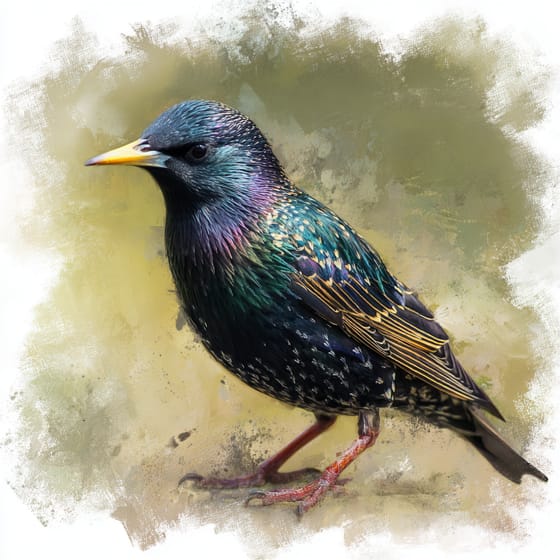
Sturnus vulgaris
Birds like starlings prey on adult beetles.
Sorex cinereus
Shrews dig for grubs and pupae in the soil.

Quercus alba
Adult beetles feed on the leaves of oak trees.

Zea mays
Beetle larvae damage roots of corn plants.
Solitary animals live alone for most of their lives, only interacting with others for mating or parental care.
Colorful describes organisms or objects displaying a wide range of bright and distinct colors.
This trait characterizes organisms whose diet consists entirely or primarily of plant material.
Describes organisms that break down dead organic material, recycling nutrients back into the ecosystem.

Nocturnal animals are primarily active during the nighttime hours, typically resting or sleeping during the day.
Danger
0/5 · No known danger
No special safety notes yet.
The easiest way to identify Lined June Beetles is to use the Snappit nature identifier app.
30-70 mm
20-35 mm
30-90 days
10 km/h
Adults eat leaves, while their grubs munch on plant roots underground.
Lined June Beetles live in gardens, forests, and grassy areas.
Foraging
Zoom in to split clusters and explore where this object has been snapped.
Recent snaps will appear here as new observations are added.
Take the discovery with you
Snap it with Snappit to identify it, learn what makes it special, and add the discovery to your collection.










.jpg&width=800)



