





Little Grass Frog
Pseudacris ocularis
The Little Grass Frog is a tiny, cheerful frog that loves to hop around in grassy areas. They are great at blending in with their surroundings and can be found near water sources.
Habitat: Wetlands
The Little Grass Frog is one of North America's smallest frogs, often olive-brown to tan with a distinct dark stripe from its snout through its eye to its groin. It has a slender body and a pointed snout, helping it blend into grassy habitats.
Category
AmphibiansRarity
Common
Danger
1/5 · Very low
Snaps
Be the first to snap!
Did you know this frog is the smallest in all of North America? Wow!
Even though they are tiny, they can leap distances many, many times their own body length!
Its high-pitched "tink-tink" call sounds just like two tiny pebbles clicking together!
They use their sticky tongue like a whip to snatch fast-moving insects right out of the air!
Little Grass Frog has a loud, high-pitched 'tink-tink' call that helps them attract mates and define their territory from afar.
Little Grass Frog can catch tiny insects, like mites and springtails, with its specialized sticky tongue.
Tiny frogs eating tiny bugs and other small creepy crawlies!
Age differences: Tadpoles eat tiny plants and decaying matter; adults eat small insects.
Thamnophis sirtalis
A common predator of small frogs.

Ardea alba
Wades in shallow water to hunt amphibians.
Formica fusca
A common prey insect for the frog.
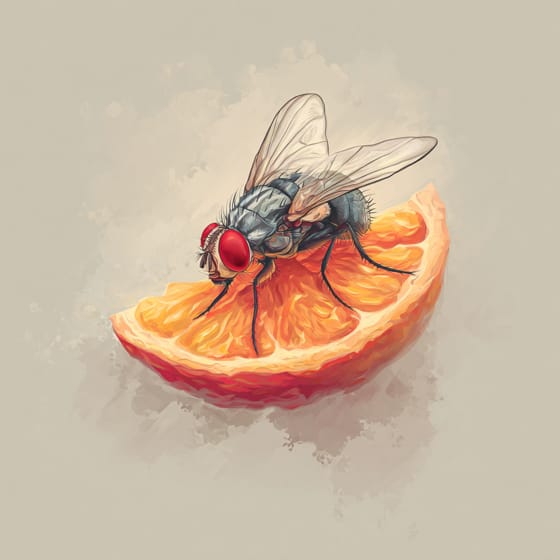
Drosophila melanogaster
A tiny flying insect often eaten by the frog.
Social animals live in organized groups, cooperating for survival benefits such as foraging, defense, and raising offspring.
Camouflaged describes organisms that possess coloring or patterns that allow them to blend into their environment.
This trait identifies organisms whose diet primarily consists of insects and other small invertebrates.
This habitat trait identifies species found in wetlands, which are areas of land saturated with water, either permanently or seasonally, including marshes, swamps, and bogs.

Diurnal animals are primarily active during daylight hours, typically resting or sleeping at night.

Pertaining to species that are significantly smaller than typical or average for their kind.

Describes organisms that transfer pollen, enabling the fertilization and reproduction of plants.
No aliases listed yet.
Danger
1/5 · Very low
Always watch frogs from a distance and don't try to catch them, as they can be delicate.
The easiest way to identify Little Grass Frog is to use the Snappit nature identifier app.
1.5-2.5 cm
0.001-0.003 kg
2-5 years
0.5 km/h
Tiny frogs eating tiny bugs and other small creepy crawlies!
Wetlands
Ambush
Zoom in to split clusters and explore where this object has been snapped.
Recent snaps will appear here as new observations are added.
Take the discovery with you
Snap it with Snappit to identify it, learn what makes it special, and add the discovery to your collection.









.JPG&width=800)



.jpg&width=800)

