





Little Gull
Hydrocoloeus minutus
The Little Gull is a small, graceful bird that loves to fly over water. It has a pretty black head and white body, making it easy to spot while it glides and dives for food.
Habitat: Coastal areas
The Little Gull is the smallest gull species, featuring a delicate build and rounded wings. Adults in breeding plumage have a distinctive entirely black head, blood-red legs, and a small dark bill. Its unique smoky-grey underwings contrast sharply with its white body, making it easily identifiable.
Category
BirdsRarity
Common
Danger
1/5 · Very low
Snaps
Be the first to snap!
Sometimes they join huge flocks of other birds to hunt for insects!
The Little Gull is the smallest gull in the entire world!
They often hunt by dipping their head under the water's surface while flying!
Young Little Gulls have a distinctive black 'W' pattern across their wings!
Little Gulls can swiftly catch insects in mid-air because of their agile flight and pointed wings.
Little Gulls can snatch tiny prey from the water's surface that helps them find food without diving deep.
Little Gulls have strong wings and an efficient flight style that helps them migrate thousands of kilometers.
They feast on small fish, aquatic insects, and crustaceans, snatching them from water.
Age differences: Young birds consume mainly insects, while adults have a more varied diet.
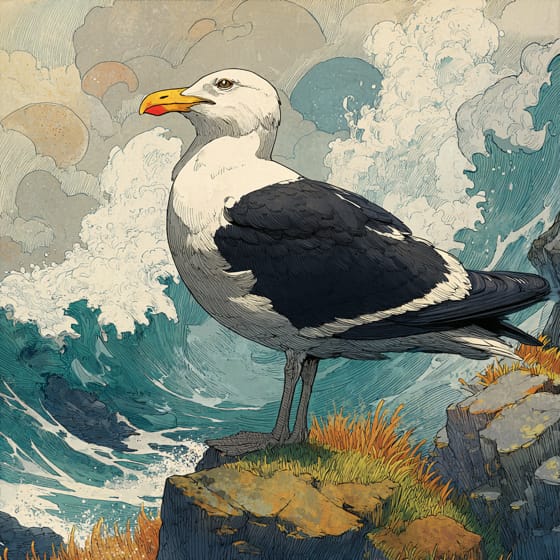
Larus marinus
Larger gulls prey on smaller ones.
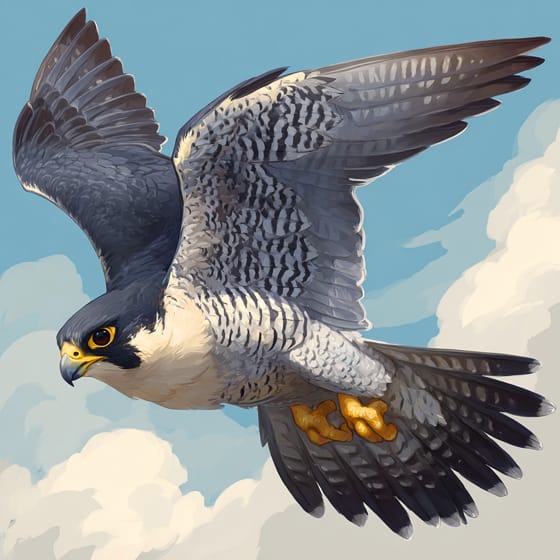
Falco peregrinus
Hunts gulls in its territory.
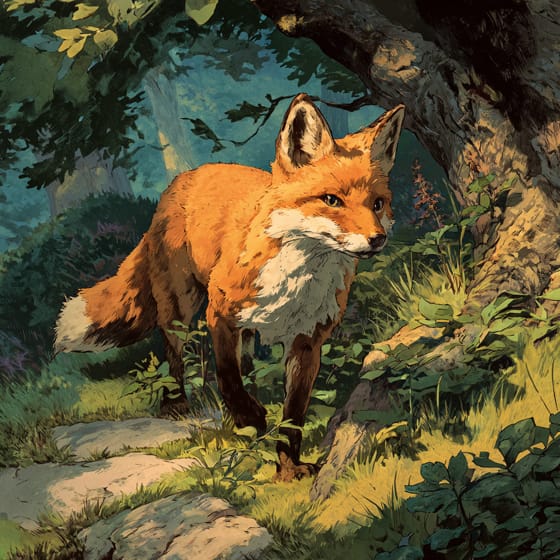
Vulpes vulpes
Preys on eggs and chicks.
Daphnia magna
A key food source for gulls.
Feathered describes animals, primarily birds, possessing a covering of feathers.
Social animals live in organized groups, cooperating for survival benefits such as foraging, defense, and raising offspring.
Aerial creatures spend a significant portion of their lives airborne, utilizing flight for various activities such as hunting, migration, or nesting.
Filter feeders obtain nutrients by straining suspended food particles and small organisms from water.

Piscivorous organisms are animals that primarily subsist on a diet of fish.

Coastal habitats are dynamic environments located along the interface between land and sea, influenced by tides, waves, and saltwater.

Diurnal animals are primarily active during daylight hours, typically resting or sleeping at night.

Migratory animals undertake seasonal movements from one region to another, typically in response to changes in climate or food availability.
No aliases listed yet.
Danger
1/5 · Very low
Always watch birds from a distance and don't try to touch them.
The easiest way to identify Little Gull is to use the Snappit nature identifier app.
25-27 cm
60-70 cm
0.06-0.16 kg
5-10 years
45 km/h
They feast on small fish, aquatic insects, and crustaceans, snatching them from water.
Coastal areas
Zoom in to split clusters and explore where this object has been snapped.
Recent snaps will appear here as new observations are added.
Take the discovery with you
Snap it with Snappit to identify it, learn what makes it special, and add the discovery to your collection.




.jpg&width=800)








