





Littleleaf Silverback
Luina hypoleuca
The Littleleaf Silverback is a small, lovely plant with shiny leaves that look like silver. It loves to grow in warm places and can brighten up any garden with its unique appearance.
Habitat: Warm gardens
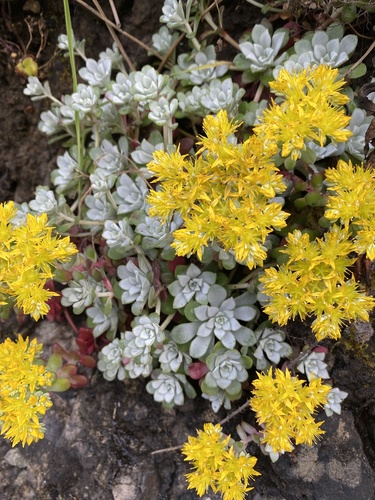
The Littleleaf Silverback is a small, compact perennial with striking yellow, daisy-like flowers. Its oval leaves are bright green on top, but feature astonishingly silvery-white undersides, which gives it its unique name and shimmering appearance.
Category
PlantsRarity
Common
Danger
1/5 · Very low
Snaps
1
It thrives where few plants can, like high up on rocky mountainsides!
Its 'silverback' leaves have tiny hairs that trap moisture like a fuzzy blanket!
This plant is a cousin to sunflowers and dandelions, all part of the daisy family!
Tiny native bees and butterflies love to visit its cheerful yellow flowers for nectar!
Littleleaf Silverback has silvery leaf undersides that reflect harsh sunlight, protecting it from heat and reducing water loss.
Littleleaf Silverback can grow deep roots to find water in dry, rocky soils, helping it survive droughts.
Littleleaf Silverback has a low, mat-forming habit, helping it withstand strong winds and cold temperatures.
Bombus bifarius
gathers nectar and pollen
Vanessa cardui
visits flowers for nectar
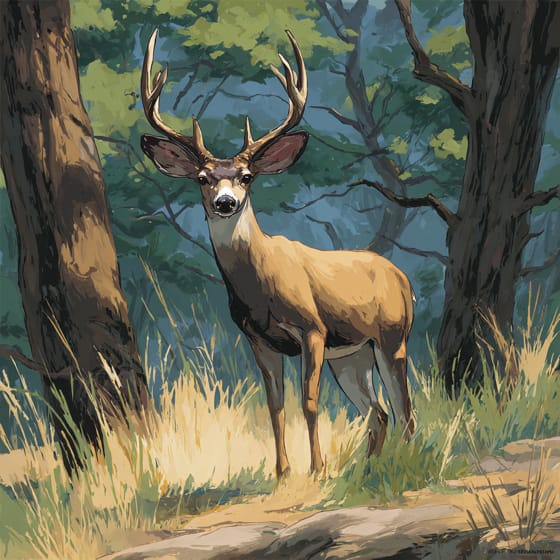
Odocoileus hemionus
browses on leaves and stems
Aromatic plants produce and emit fragrant volatile organic compounds, often for defense or to attract pollinators.
Flowering plants are any plants that produce flowers as part of their reproductive cycle.
A shrub is a woody plant smaller than a tree, typically with multiple stems branching from or near the ground.
Evergreen plants retain their foliage throughout the year, never shedding all their leaves at once.

Drought-tolerant plants can survive and flourish in conditions with limited water availability.

Describes plants that are particularly attractive and beneficial to a wide range of pollinating organisms.

This habitat trait indicates species that can coexist with humans in urban and suburban environments, utilizing man-made structures and green spaces.
No aliases listed yet.
Danger
1/5 · Very low
Always wash your hands after touching plants, just to be safe!
The easiest way to identify Littleleaf Silverback is to use the Snappit nature identifier app.
10-50 cm
10-40 cm
1-2 cm
Summer-fall
No
None
Perennial
Zoom in to split clusters and explore where this object has been snapped.
Take the discovery with you
Snap it with Snappit to identify it, learn what makes it special, and add the discovery to your collection.









.jpg&width=800)



_001.jpg&width=800)



