





lizard's tail
Saururus cernuus
Lizard's tail is a unique plant with long, green leaves that look like a lizard's tail! It grows in wet places and has pretty white flowers that bloom in the summer.
Habitat: Wetlands
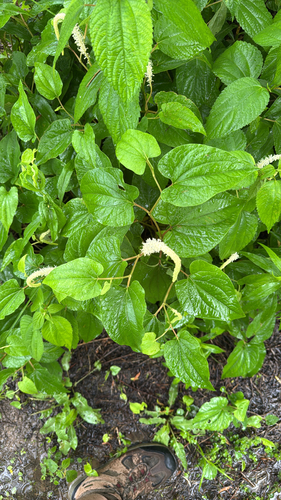
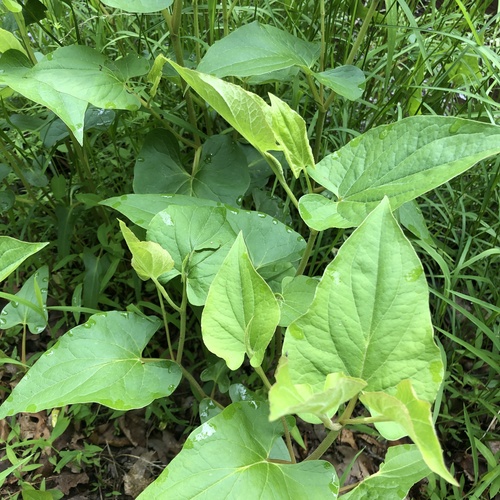
The lizard's tail has heart-shaped, vibrant green leaves and distinctive, slender white flower spikes that often droop or nod at the tip. These fuzzy 'tails' can be quite fragrant and resemble a lizard's tail, giving the plant its common name.
Category
PlantsRarity
Common
Danger
1/5 · Very low
Snaps
30
Its unique flower spike actually looks and feels like a soft, fuzzy white pipe cleaner!
Native Americans used its leaves to make soothing poultices for aches and skin irritations.
The young leaves and rhizomes are edible, adding a peppery and spicy taste to dishes!
This plant is a 'living fossil', with relatives found across the globe in East Asia!
Lizard's tail can absorb heavy metals like lead from wetland soil, helping to clean its watery home.
Lizard's tail has creeping rhizomes that help it spread quickly, forming dense colonies in wet environments.
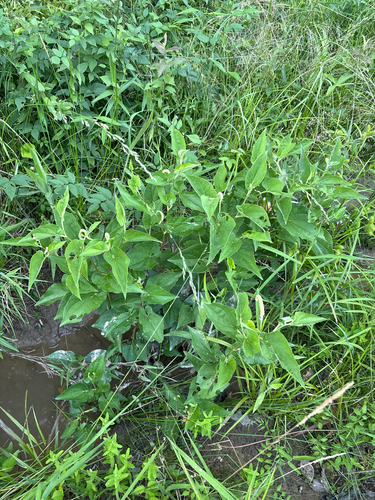
Lizard's tail can survive in waterlogged soil and even shallow standing water, thriving where many plants drown.
Apis mellifera
provides nectar and pollen for foraging bees
Anas platyrhynchos
ducks sometimes graze on its leaves and seeds
Hyla cinerea
dense foliage offers cover for amphibians
Macrobrachium ohione
provides shelter in submerged root masses
Deciduous plants periodically shed all their leaves, typically during autumn or dry seasons.
Flowering plants are any plants that produce flowers as part of their reproductive cycle.
Summer blooming plants produce their flowers during the summer season, often providing vibrant color when many other plants have finished.
Fragrant flowers emit a pleasant aroma, often to attract pollinators or for defense.

Describes plants that are particularly attractive and beneficial to a wide range of pollinating organisms.

Rapid growing plants exhibit accelerated growth rates, quickly increasing in size and biomass within a short period.

This habitat trait identifies species found in wetlands, which are areas of land saturated with water, either permanently or seasonally, including marshes, swamps, and bogs.
No aliases listed yet.
Danger
1/5 · Very low
Always look but don't touch plants unless you know they are safe.
The easiest way to identify lizard's tail is to use the Snappit nature identifier app.
60-120 cm
30-90 cm
10-20 cm
Summer
Yes
None
Perennial
Zoom in to split clusters and explore where this object has been snapped.
May 28, 2026
Tennessee AquariumPhoto attribution
(c) charlie olson, some rights reserved (CC BY)
License: CC BY 4.0 ↗
Image may be shown cropped inside the card frame.
May 26, 2026
Harriman Historic DistrictPhoto attribution
(c) Andrew Conboy, some rights reserved (CC BY)
License: CC BY 4.0 ↗
Image may be shown cropped inside the card frame.
May 17, 2026
Fayette County Courthouse Historic DistrictPhoto attribution
no rights reserved
License: CC0 1.0 ↗
Image may be shown cropped inside the card frame.

Maryland, US
You might spot Crane-Fly Orchid, Fragile Forktail, and Ebony Jewelwing.
View guide →

New York, US
You might spot White Snakeroot, Rock Pigeon, and Eastern Gray Squirrel.
View guide →

New York, US
You might spot White Snakeroot, Rock Pigeon, and Eastern Gray Squirrel.
View guide →

Louisiana, US
You might spot Heavenly Bamboo, Rio Grande Copper Lily, and Ballmoss.
View guide →

New Jersey, US
You might spot Duck, Canada Goose, and Red-Winged Blackbird.
View guide →

New York, US
You might spot White Snakeroot, Common Mugwort, and Eastern Gray Squirrel.
View guide →
Take the discovery with you
Snap it with Snappit to identify it, learn what makes it special, and add the discovery to your collection.







.jpg&width=800)


_001.jpg&width=800)




