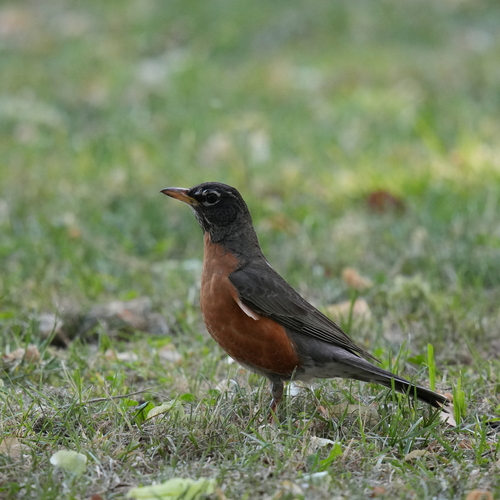
Rock Pigeon

Step back in time on East 73rd Street, a captivating block showcasing New York's Gilded Age architecture.
Step back in time on East 73rd Street, a captivating block showcasing New York's Gilded Age architecture. This charming historic district, nestled on the Upper East Side of Manhattan, offers a unique architectural journey between Lexington and Third Avenues. Designated for its remarkably preserved rowhouses and an exceptional collection of former carriage houses, it stands as a testament to the city's rich past, contrasting beautifully with the modern high-rises that dominate much of Manhattan.
The district's character is defined by its diverse architectural styles, including Italianate, Romanesque, Beaux-Arts, Neo-Grec, and Neo-Flemish Renaissance. Originally serving the city's elite, these buildings once housed horses and carriages for wealthy residents of Fifth and Madison Avenues, with many later converting to automotive garages before becoming exquisite private residences. Visitors can marvel at intricate details like ornate stoops, decorative cornices, leaded glass transoms, and even remnants of equestrian-themed carvings that hint at their storied past.
A stroll through the East 73rd Street Historic District is an immersion in a bygone era, offering a picturesque and tranquil escape. It's a place where history whispers from every facade, inviting contemplation of the lives once lived within these walls. The district's commitment to preservation ensures that its distinct charm and architectural significance remain a memorable highlight for anyone exploring New York City. Planning to visit? Download the Snappit app to identify the wildlife you spot in real-time.
buffs * Photography * Quiet urban strolls * Couples and solo explorers
Take a leisurely walk, observe the architectural diversity, and capture photographs of the unique facades. Notice how the buildings' heights are lower than surrounding blocks, preserving a sense of historic scale.
The architectural beauty is visible in all seasons. Fall foliage or winter snow can add an extra layer of charm to photographs.
The district consists of city sidewalks, which are generally paved and flat, making it accessible for wheelchairs and strollers. As a public street, there are no specific internal accessibility features.
The primary highlight is the street itself, lined with its distinctive rowhouses and former carriage houses. Look for variations in architectural styles, intricate stone carvings, unique door and window treatments, and ornate ironwork. Specific buildings to note include:
An early carriage house designed by Richard Morris Hunt.
Distinguished by rock-faced brick, limestone trim, and carved equestrian symbols.
A Beaux-Arts style building in yellow Roman brick with foliate carvings.
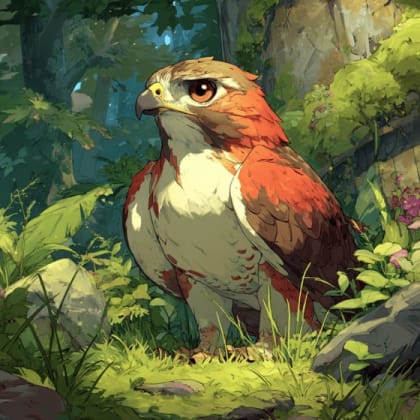
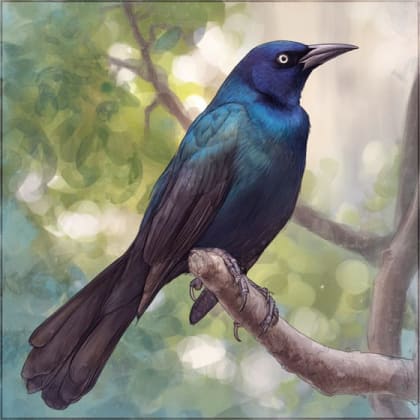
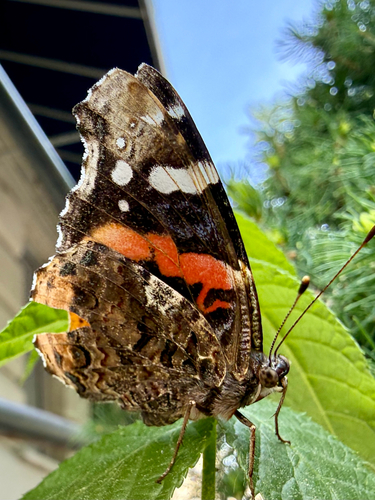
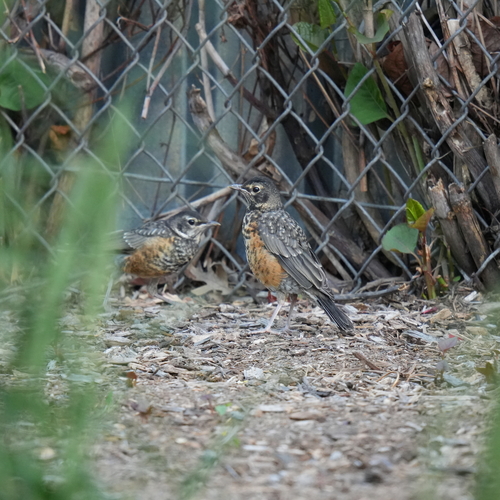
Each card links to a full Explore page with photos, traits, and fun facts.
Start with the big picture, then zoom in to explore individual wildlife observations around this place.
Look Up and Down
Don't just look straight ahead; many intricate details, such as cornices, rooflines, stoops, and ironwork, are above eye level or at ground level.
Comfortable Shoes
While a short walk, comfortable footwear is always recommended for exploring New York City's streets.
Respect Privacy
Remember that these are private residences. Be mindful and respectful of residents' privacy when taking photos.
Visit Off-Peak Hours
For a more tranquil experience and better photo opportunities without crowds, consider visiting during weekday mornings.
Combine with Other Exploration
The district is located on the Upper East Side, making it easy to combine with visits to nearby museums (like The Met) or Central Park.
Public Transport
The district is easily accessible by subway (e.g., the Q train to 72nd Street or the 6 train to 77th Street), avoiding the hassle of parking in Manhattan.
Jun 6, 2026
Photo attribution
(c) Oliver Clarke, some rights reserved (CC BY)
License: CC BY 4.0 ↗
Image may be shown cropped inside the card frame.
Jun 6, 2026
Photo attribution
(c) Oliver Clarke, some rights reserved (CC BY)
License: CC BY 4.0 ↗
Image may be shown cropped inside the card frame.
Jun 5, 2026
Photo attribution
(c) foxsu, some rights reserved (CC BY)
License: CC BY 4.0 ↗
Image may be shown cropped inside the card frame.
Jun 5, 2026
Photo attribution
(c) foxsu, some rights reserved (CC BY)
License: CC BY 4.0 ↗
Image may be shown cropped inside the card frame.
Jun 5, 2026
Photo attribution
(c) foxsu, some rights reserved (CC BY)
License: CC BY 4.0 ↗
Image may be shown cropped inside the card frame.

Maryland, US
You might spot White-Tailed Deer and Eastern Gray Squirrel.
View guide →
.jpg)
District of Columbia, US
You might spot Eastern Gray Squirrel, Duck, and House Sparrow.
View guide →

Illinois, US
You might spot American Robin, Canada Goose, and House Sparrow.
View guide →

Virginia, US
You might spot Spotted Lanternfly and Northern Cardinal.
View guide →
Take the discovery with you
Identify the wildlife you spot, learn as you go, and keep a collection of the adventure.