





Long-toed Salamander
Ambystoma macrodactylum
The Long-toed Salamander is a special little creature with long toes that help it swim and dig. It has a smooth body and loves to live in wet places like ponds and marshes.
Habitat: Wetlands
The Long-toed Salamander has a dark body, often black or dark brown, covered with bright yellow to greenish-yellow irregular blotches or a broken stripe down its back. Its most notable feature is the unusually long fourth toe on its hind feet, giving it its name. Its belly is typically dark.
Category
AmphibiansRarity
Common
Danger
1/5 · Very low
Snaps
5
Female salamanders can lay hundreds of eggs in a single season!
They can live underwater as wiggly larvae for several months!
They mostly hunt at night, searching for yummy insects in the dark!
Underground burrows are their cozy homes for much of the year!
Long-toed Salamander has super long toes that help them climb over slippery rocks and grab onto plants.
Long-toed Salamander can breathe partly through their moist skin, allowing them to absorb oxygen from water and air.
Long-toed Salamander can drop its tail when grabbed, distracting predators while it slips away to safety.
Tiny predators, these salamanders slurp up small insects, worms, and other invertebrates with their sticky tongues.
Age differences: Larvae eat aquatic insects, while adults mostly hunt on land.
Lumbricus terrestris
a favorite meal in their moist habitat.
Thamnophis sirtalis
a common predator of adult salamanders.

Oncorhynchus mykiss
predators of their larvae in ponds.
Limax maximus
an occasional snack for these amphibians.
Characterized by having toes connected by a membrane, typically aiding in swimming.
Marked with spots or patches of a different color.
Solitary animals live alone for most of their lives, only interacting with others for mating or parental care.
Burrowing animals dig tunnels and chambers in the ground, using these subterranean structures for shelter, hunting, or breeding.

Colorful describes organisms or objects displaying a wide range of bright and distinct colors.

This trait identifies organisms whose diet primarily consists of insects and other small invertebrates.

This habitat trait identifies species found in wetlands, which are areas of land saturated with water, either permanently or seasonally, including marshes, swamps, and bogs.

Endangered status indicates a species is at a very high risk of extinction in the wild in the near future.
No aliases listed yet.
Danger
1/5 · Very low
If you see a salamander, watch it from a distance and don't touch it. They are delicate and need to stay safe.
The easiest way to identify Long-toed Salamander is to use the Snappit nature identifier app.
4-12 cm
0.002-0.008 kg
5-15 years
0.1 km/h
Tiny predators, these salamanders slurp up small insects, worms, and other invertebrates with their sticky tongues.
Wetlands
Ambush and Foraging
Zoom in to split clusters and explore where this object has been snapped.

Montana, US
You might spot Black Bear, Moose, and Lodgepole Pine.
View guide →

Oregon, US
You might spot Green Alkanet, Western Sword Fern, and Pacific Banana Slug.
View guide →

Montana, US
You might spot Baker's Mariposa Lily and Columbian Monkshood.
View guide →

Idaho, US
You might spot Elk, Morrison's Bumble Bee, and Common Cowparsnip.
View guide →
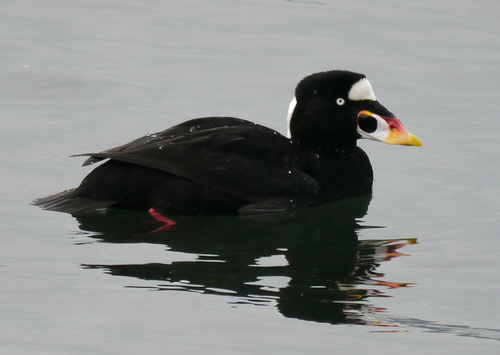
Washington, US
You might spot Surf Scoter, Eastern Cottontail, and Rugosa Rose.
View guide →
.jpg)
California, US
You might spot Long-Billed Curlew, Snowy Plover, and Sanderling.
View guide →
Take the discovery with you
Snap it with Snappit to identify it, learn what makes it special, and add the discovery to your collection.








.JPG&width=800)


.jpg&width=800)

