





Strinati's Cave Salamander
Speleomantes strinatii
Strinati's Cave Salamander is a special little creature that lives in caves! It has a smooth body and loves to hide in the dark, cool places of its home.
Habitat: Caves
The Strinati's Cave Salamander has a slender body, often dark brown or black, with scattered yellow, red, or greenish flecks on its back. Its belly is usually pale, and it possesses large, prominent eyes and a long, prehensile tail.
Category
AmphibiansRarity
Rare
Danger
1/5 · Very low
Snaps
Be the first to snap!
Its babies hatch as mini-adults, completely skipping the wriggly tadpole stage.
They use their strong sense of smell and touch to find food in total darkness.
This salamander lays its eggs on land, not in water, a unique trait for amphibians!
To avoid drying out, they absorb moisture directly from the humid air around them!
Strinati's Cave Salamander can snatch fast-moving prey with its lightning-fast, sticky tongue that helps them hunt in dark caves.
Strinati's Cave Salamander has no lungs and breathes entirely through its moist skin and mouth lining because of its lungless adaptation.
Strinati's Cave Salamander can use its flexible, prehensile tail to grasp rocks and branches, helping them climb tricky cave surfaces.
This salamander enjoys a diet of small bugs and other tiny creatures it finds in its dark cave home.
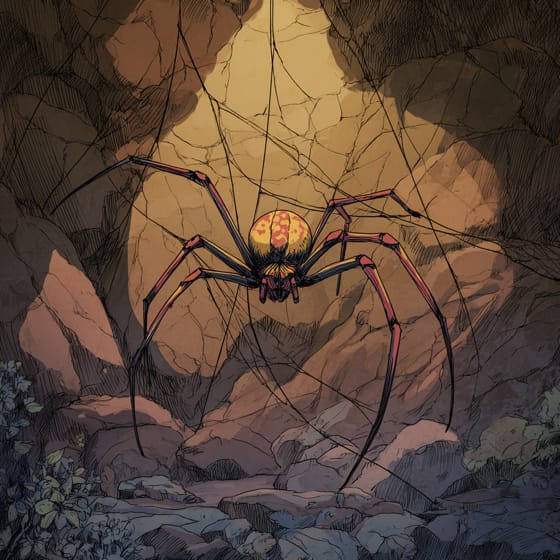
Nesticus eremita
Hunts common cave-dwelling spiders.
Ptomaphagus sericeus
Preys on various cave beetle species.
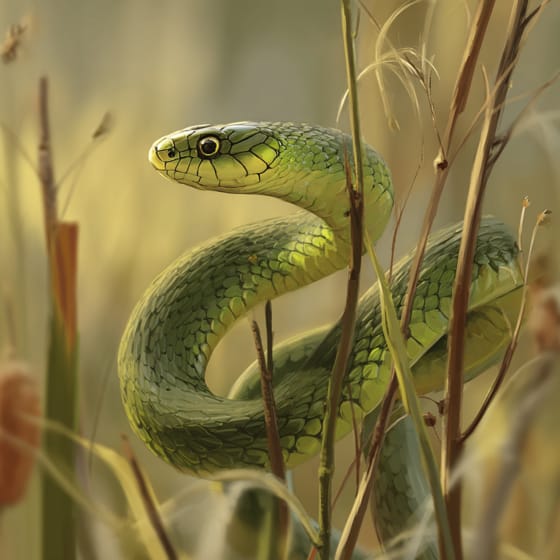
Natrix natrix
Sometimes eaten by snakes near cave entrances.
Solitary animals live alone for most of their lives, only interacting with others for mating or parental care.
Cave dwelling describes organisms specifically adapted to live in underground cave systems, often exhibiting specialized traits due to lack of light.
This trait identifies organisms whose diet primarily consists of insects and other small invertebrates.
This trait signifies organisms belonging to a very old evolutionary group with ancestors dating back millions of years.

Regenerative organisms possess the ability to regrow lost or damaged body parts, tissues, or organs.

Nocturnal animals are primarily active during the nighttime hours, typically resting or sleeping during the day.

Endangered status indicates a species is at a very high risk of extinction in the wild in the near future.
No aliases listed yet.
Danger
1/5 · Very low
Always be gentle and quiet when exploring caves to protect the animals living there.
The easiest way to identify Strinati's Cave Salamander is to use the Snappit nature identifier app.
7-13 cm
0.005-0.015 kg
10-15 years
This salamander enjoys a diet of small bugs and other tiny creatures it finds in its dark cave home.
Caves
Ambush
6-12
Zoom in to split clusters and explore where this object has been snapped.
Recent snaps will appear here as new observations are added.
Take the discovery with you
Snap it with Snappit to identify it, learn what makes it special, and add the discovery to your collection.










.JPG&width=800)


.jpg&width=800)

