





Magnolia Green Jumping Spider
lyssomanes viridis
The Magnolia Green Jumping Spider is a playful little creature that loves to leap around and explore! With its bright green color, it blends in beautifully with the leaves and flowers around it.
Habitat: They can be found in gardens, forests, and areas with plenty of plants.
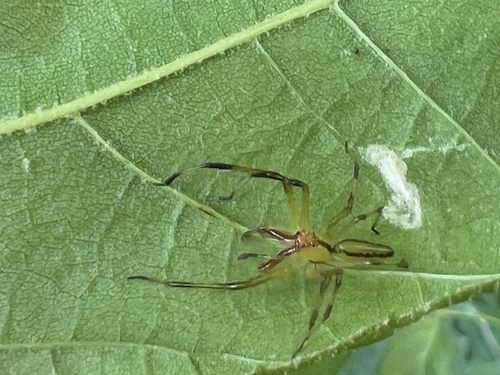
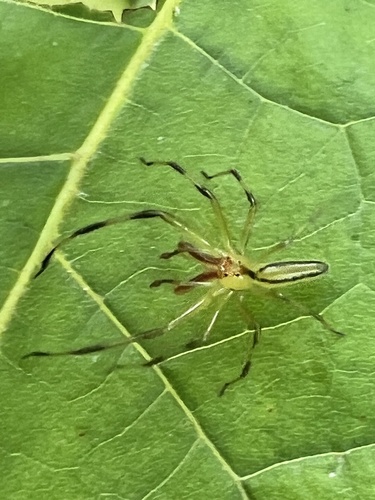
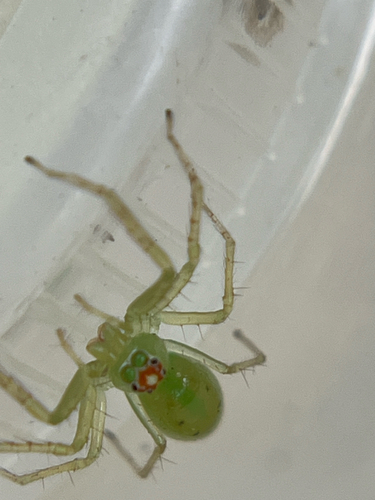
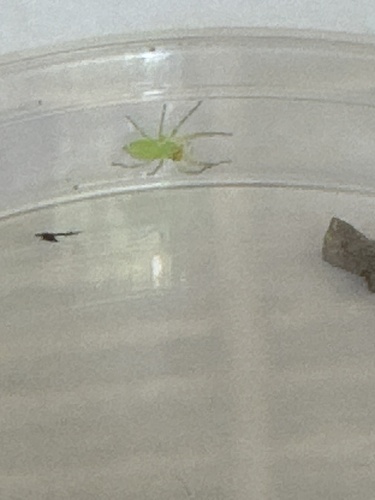
The Magnolia Green Jumping Spider has a slender, bright, iridescent green body that makes it stand out against foliage. Its eight eyes, including two prominent forward-facing ones, provide excellent vision. Unlike many spiders, it is not hairy, giving it a smooth, gem-like appearance.
Category
InsectsRarity
Common
Danger
0/5 · No known danger
Snaps
35
Its scientific name, *Lyssomanes viridis*, means 'green loose-bodied'.
Males perform a vibrant dance to attract a female partner.
These spiders don't spin webs for catching food, they hunt directly!
They build a tiny silk hideout to sleep and molt safely.
Magnolia Green Jumping Spider can jump impressive distances because of strong leg muscles that help them ambush prey or escape danger.
Magnolia Green Jumping Spider has excellent vision with eight eyes that helps them track moving prey and navigate their environment.
Magnolia Green Jumping Spider can produce a silk safety line as they jump, helping them recover if they miss their target.
Tiny hunters, they feast on small insects they ambush with incredible leaps.
Aphis gossypii
Feeds on these common garden pests.
Anolis carolinensis
A small lizard that preys on spiders.

Magnolia grandiflora
Often found camouflaged on leaves of magnolia trees.
Solitary animals live alone for most of their lives, only interacting with others for mating or parental care.
Arboreal animals live primarily in trees, utilizing them for shelter, food, and protection from predators.
Colorful describes organisms or objects displaying a wide range of bright and distinct colors.
This trait identifies organisms whose diet consists entirely or primarily of animal tissue.

Diurnal animals are primarily active during daylight hours, typically resting or sleeping at night.
Danger
0/5 · No known danger
No special safety notes yet.
The easiest way to identify Magnolia Green Jumping Spider is to use the Snappit nature identifier app.
3-7 mm
300-400 days
Tiny hunters, they feast on small insects they ambush with incredible leaps.
They can be found in gardens, forests, and areas with plenty of plants.
Ambush
8
Zoom in to split clusters and explore where this object has been snapped.
Jun 12, 2026
Great Falls ParkPhoto attribution
(c) Mark Richman, some rights reserved (CC BY)
License: CC BY 4.0 ↗
Image may be shown cropped inside the card frame.
Jun 12, 2026
Great Falls ParkPhoto attribution
(c) Mark Richman, some rights reserved (CC BY)
License: CC BY 4.0 ↗
Image may be shown cropped inside the card frame.
Jun 6, 2026
Coker ArboretumPhoto attribution
no rights reserved
License: CC0 1.0 ↗
Image may be shown cropped inside the card frame.
Jul 17, 2024
Monkey JunglePhoto attribution
(c) ahaywood.geo, some rights reserved (CC BY)
License: CC BY 4.0 ↗
Image may be shown cropped inside the card frame.

South Carolina, US
You might spot Anole, Asian Lady Beetle, and Gulf Fritillary.
View guide →

Alabama, US
You might spot Anole, Bee, and Bristle Thistle.
View guide →
Florida, US
You might spot Pink Sundew, Drooping Forked Fern, and Netted Pawpaw.
View guide →

Alabama, US
You might spot Anole, Bee, and Bristle Thistle.
View guide →

Alabama, US
You might spot Muscovy Duck and Gulf Longear Sunfish.
View guide →

Georgia, US
You might spot Eastern Gray Squirrel, Domestic Cat, and American Robin.
View guide →
Take the discovery with you
Snap it with Snappit to identify it, learn what makes it special, and add the discovery to your collection.








.jpg&width=800)



