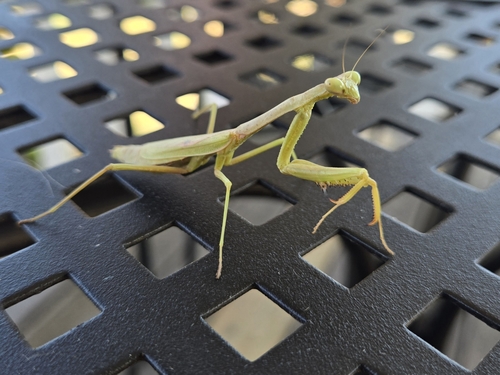





Anole

Step back in time to Greenville, Alabama, and explore the beautifully preserved East Commerce Street Historic District.
Step back in time to Greenville, Alabama, and explore the beautifully preserved East Commerce Street Historic District. This district is a captivating journey through the city's commercial heart, showcasing a remarkable collection of buildings that tell tales of early 20th-century Southern commerce and daily life. It's a place where history is etched into every brick and column, offering a tangible connection to a bygone era.
The district's architectural "exhibits" include a striking range of styles, from the solid, vernacular brick commercial structures dating from the 1880s to the 1920s, to the stately Romanesque design of the Butler County Courthouse, completed in 1903. Nearby, the Commerce Street Residential Historic District presents an array of elegant homes, such as the Greek Revival grandeur of the Henry House with its imposing Corinthian columns, and the Italianate charm of the Martin and Perry Houses, adorned with intricate Stick-Eastlake woodwork and Victorian details. These diverse buildings collectively create a vibrant tapestry of historical design.
Visiting the East Commerce Street Historic District offers a memorable experience for anyone drawn to history and architecture. It's an opportunity to appreciate the meticulous craftsmanship of past generations and to visualize the bustling street life that once defined Greenville. The district invites leisurely strolls, offering picturesque backdrops for photography and a peaceful ambiance that belies its bustling past, making it a truly unique historical destination. Turn your visit into a safari! Use the Snappit app to scan and log wildlife sightings here.
The East Commerce Street Historic District was established to preserve Greenville's oldest commercial buildings and the prominent Butler County Courthouse. The area suffered a significant fire in 1927, which necessitated rebuilding and led to many of the vernacular brick commercial structures seen today, dating between the 1880s and 1928. The current Butler County Courthouse, a cornerstone of the district, was completed in 1903, replacing earlier structures on the same site dating back to 1822. Further enhancing the historical landscape, a National Guard Armory, a notable example of Works Progress Administration (WPA) construction, was added to the area in 1936. Recognizing its architectural and historical significance, the East Commerce Street Historic District was officially listed on the National Register of Historic Places in 1986. Separately, the adjacent Commerce Street Residential Historic District, featuring houses built between 1846 and 1895, was also added to the National Register in 1986, highlighting the rich historical fabric of this part of Greenville.
Take a self-guided walking tour to admire the diverse architectural styles, photograph historical buildings, and imagine life in early 20th-century Greenville. Many buildings are still active businesses, so you can observe their exteriors while respecting current occupants.
Spring: Mild weather, blooming trees, ideal for walking.
Summer: Can be hot and humid; early mornings or late afternoons are best for outdoor exploration.
Fall: Comfortable temperatures, often with beautiful autumn colors, perfect for photography.
Winter: Generally mild, but dress in layers. Fewer crowds.
As a city street, the district is generally walkable with sidewalks. However, visitors should be aware that some older sidewalks or building entrances may have limited accessibility. It is primarily an outdoor walking experience.
The Butler County Courthouse (1903) with its distinctive Romanesque architecture.
Historic commercial storefronts along East Commerce Street, showcasing early 20th-century vernacular brick design.
The National Guard Armory (1936), a robust example of WPA-era construction.
The Steiner-Kendrick House (c. 1846), a blend of Greek Revival and Queen Anne styles.
Each card links to a full Explore page with photos, traits, and fun facts.
Start with the big picture, then zoom in to explore individual wildlife observations around this place.
Wear comfortable walking shoes, as the best way to experience the district is on foot.
Bring a camera to capture the intricate architectural details and historical charm of the buildings.
Consider researching the specific histories of key buildings beforehand to enrich your visit.
Respect the privacy of residents in the residential historic district, as many of the historical homes are private properties.
Check the local weather forecast, especially during summer months, and plan your visit for cooler parts of the day.
Look for any informational plaques or markers that might offer additional insights into the buildings and the district's past.
Oct 13, 2025
Photo attribution
(c) respecttheknob, some rights reserved (CC BY)
License: CC BY 4.0 ↗
Image may be shown cropped inside the card frame.
Jun 15, 2026
Jun 11, 2026
May 27, 2026
May 2, 2026

Maryland, US
You might spot White-Tailed Deer and Eastern Gray Squirrel.
View guide →
.jpg)
District of Columbia, US
You might spot Eastern Gray Squirrel, Duck, and House Sparrow.
View guide →

Illinois, US
You might spot American Robin, Canada Goose, and House Sparrow.
View guide →

Virginia, US
You might spot Spotted Lanternfly and Northern Cardinal.
View guide →
Take the discovery with you
Identify the wildlife you spot, learn as you go, and keep a collection of the adventure.