





Magnolia Warbler
Setophaga magnolia
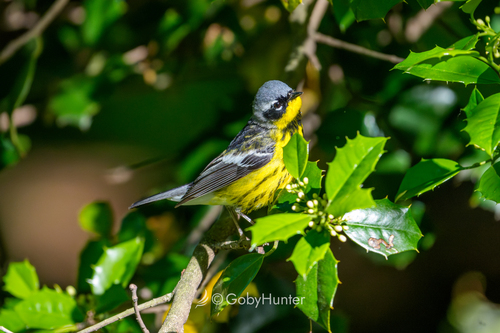
The Magnolia Warbler is a small, colorful bird with bright yellow and black feathers. They love to flit around trees and bushes, singing cheerful songs as they search for tasty insects.
Habitat: Forests
The Magnolia Warbler has a vibrant yellow throat and underparts with bold black streaks resembling a necklace. Its head is gray, and it sports a distinct black mask and white patches on its wings. Males are brighter, making them visually different from many other warblers.
Category
BirdsRarity
Common
Danger
1/5 · Very low
Snaps
13
Despite its name, this warbler doesn't eat magnolias!
Their cheerful song sounds a bit like 'witta-witta-wittee'.
They build neat cup-shaped nests hidden in dense evergreen trees.
Young Magnolia Warblers look very different from their colorful parents.
Magnolia Warblers can hang upside down to grab insects from leaves, helping them find hidden meals.
Magnolia Warblers travel thousands of kilometers annually because it helps them find food and warm weather.
Magnolia Warblers can catch flying insects mid-air, because it helps them quickly hunt for prey.
These little birds love to eat insects, helping to control tiny bug populations!
Age differences: As they mature and in fall, they may eat more berries and fruit.
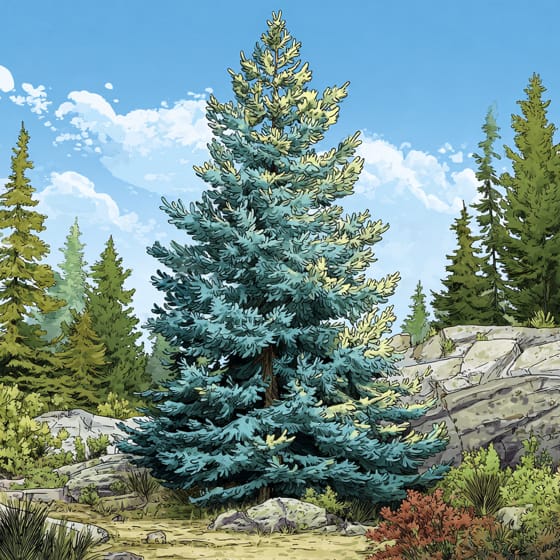
Picea glauca
often nests in
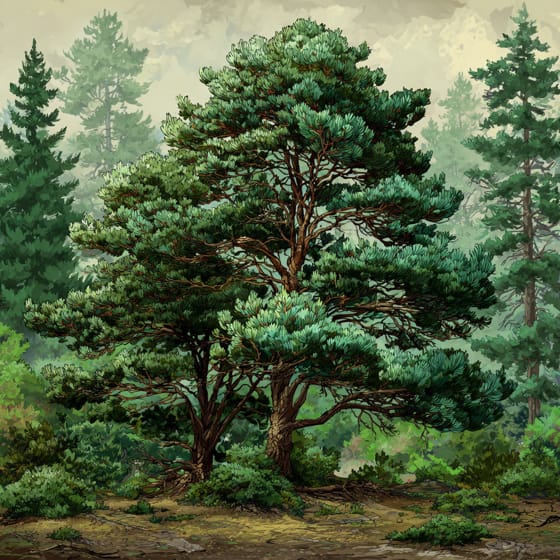
Pinus strobus
builds nests within
Malacosoma americanum
feeds on larvae of

Accipiter striatus
is a common predator of
Feathered describes animals, primarily birds, possessing a covering of feathers.
Social animals live in organized groups, cooperating for survival benefits such as foraging, defense, and raising offspring.
Singing animals produce complex vocalizations, often for purposes of attracting mates, defending territory, or communicating within their species.
Arboreal animals live primarily in trees, utilizing them for shelter, food, and protection from predators.

Colorful describes organisms or objects displaying a wide range of bright and distinct colors.

This trait identifies organisms whose diet primarily consists of insects and other small invertebrates.

Forest habitats are terrestrial environments dominated by dense tree cover, supporting a high diversity of plant and animal life.

Diurnal animals are primarily active during daylight hours, typically resting or sleeping at night.

Migratory animals undertake seasonal movements from one region to another, typically in response to changes in climate or food availability.
No aliases listed yet.
Danger
1/5 · Very low
Always watch birds from a distance and be quiet so you don't scare them away.
The easiest way to identify Magnolia Warbler is to use the Snappit nature identifier app.
11-13 cm
18-20 cm
0.0079-0.0122 kg
2-5 years
35 km/h
These little birds love to eat insects, helping to control tiny bug populations!
Forests
Zoom in to split clusters and explore where this object has been snapped.
May 12, 2026
Awbury ArboretumPhoto attribution
(c) GobyHunter, some rights reserved (CC BY)
License: CC BY 4.0 ↗
Image may be shown cropped inside the card frame.

Pennsylvania, US
You might spot American Robin, Red-Winged Blackbird, and Lesser Celandine.
View guide →
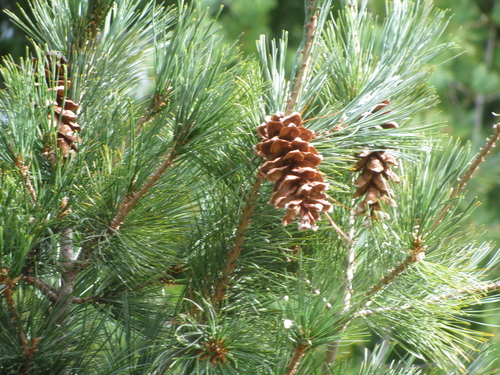
New Hampshire, US
You might spot Eastern White Pine, Eastern Skunk Cabbage, and Duck.
View guide →

Maryland, US
You might spot Duck, Red-Winged Blackbird, and American Bullfrog.
View guide →

Alabama, US
You might spot Red-Headed Woodpecker and Hardwood Stump Borer.
View guide →

Texas, US
You might spot Eastern Fox Squirrel, Duck, and American Robin.
View guide →

Ohio, US
You might spot Christmas Fern, Multiflora Rose, and American Beech.
View guide →
Take the discovery with you
Snap it with Snappit to identify it, learn what makes it special, and add the discovery to your collection.




.jpg&width=800)






