





maidenhair spleenwort
Asplenium trichomanes
Maidenhair spleenwort is a lovely little fern that grows in cool, shady places. Its delicate, fan-shaped leaves are bright green and look like tiny feathers!
Habitat: Forests
The maidenhair spleenwort is a small, elegant fern distinguished by its slender, dark reddish-brown stems that provide a striking contrast to the round, bright green leaflets arranged neatly along them. Its delicate fronds often grow in tight, charming rosettes, clinging to rocky surfaces.
Category
PlantsRarity
Common
Danger
1/5 · Very low
Snaps
11
Instead of seeds, it creates invisible, dust-like spores to travel and grow new ferns!
Its dark, shiny stems were once used by children to make tiny, pretend dolls or figures!
Some people call it 'Wall Rue' because it loves to grow out of cracks in old stone walls!
Wow! This little fern can cling to rocks for over 100 years, growing in the same spot!
Maidenhair spleenwort can anchor itself securely in tiny rock crevices using tough, fibrous roots that help it thrive where other plants cannot.
This fern has tiny, dust-like spores on the underside of its leaves, which can be carried by wind to colonize new, distant rocky homes.
The maidenhair spleenwort can curl its fronds tight during dry spells to save water, unrolling them again when moisture returns.
Arion lusitanicus
This slug may occasionally graze on its fronds.
Helix aspersa
Snails can sometimes feed on the fern's delicate leaves.
This trait characterizes plants lacking specialized vascular tissues (xylem and phloem) for transporting water and nutrients.
Shade tolerant plants are adapted to grow and thrive in areas with low light levels, requiring less direct sunlight.
Evergreen plants retain their foliage throughout the year, never shedding all their leaves at once.
Spore-producing organisms reproduce by releasing small, often single-celled, reproductive units called spores.

This trait signifies organisms belonging to a very old evolutionary group with ancestors dating back millions of years.

Forest habitats are terrestrial environments dominated by dense tree cover, supporting a high diversity of plant and animal life.
No aliases listed yet.
Danger
1/5 · Very low
Always look but don't touch wild plants unless you know they are safe.
The easiest way to identify maidenhair spleenwort is to use the Snappit nature identifier app.
5-30 cm
10-20 cm
No
None
Perennial
Forests
Zoom in to split clusters and explore where this object has been snapped.

Massachusetts, US
You might spot Maidenhair Spleenwort and Red Trillium.
View guide →
.jpg)
Municipal District of Cobh, IE
You might spot Ring-Tailed Lemur, Giraffes, and Cheetahs.
View guide →

Rhode Island, US
You might spot Pink Lady's Slipper and Asian Bittersweet.
View guide →

Maryland, US
You might spot Spotted Lanternfly, Mile-A-Minute Weed, and American Toad.
View guide →

New York, US
You might spot Humboldt Penguin, Sea Lion, and Harbor Seal.
View guide →
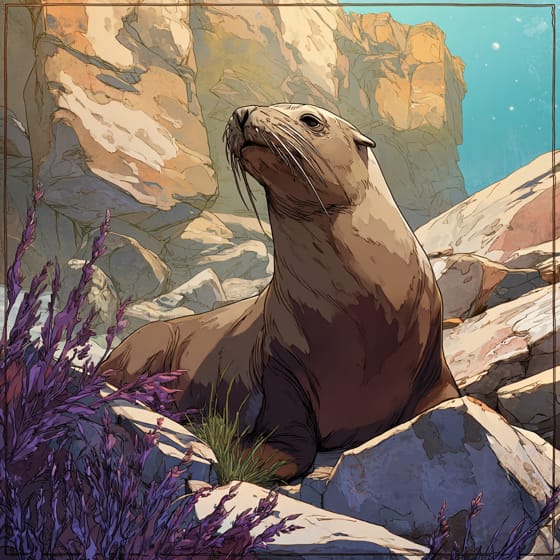
New York, US
You might spot Sea Lion, Humboldt Penguin, and Harbor Seal.
View guide →
Take the discovery with you
Snap it with Snappit to identify it, learn what makes it special, and add the discovery to your collection.








.jpg&width=800)



_001.jpg&width=800)


