





Mallards, Pintails, And Allies
anas
Mallards and pintails are beautiful ducks that love to swim in ponds and rivers. They have colorful feathers and make cheerful quacking sounds!
Habitat: They live in wetlands, lakes, and rivers, often found in parks and gardens.
The Mallards, Pintails, And Allies display diverse plumages; male Mallards feature an iridescent green head with a white neck ring, while male Northern Pintails boast a distinctive long, needle-like tail and a white neck stripe. Females of both species typically show mottled brown patterns for camouflage.
Category
BirdsRarity
Common
Danger
0/5 · No known danger
Snaps
Be the first to snap!
A group of ducks on the water is actually called a 'raft'!
Ducks have an extra eyelid that acts like goggles underwater!
Many ducks make a distinctive 'quacking' sound, but not all species do!
Some ducklings can swim and find food just hours after hatching!
Mallards, Pintails, And Allies can feed underwater without completely submerging because of their flexible necks and specialized bills, which help them filter small food items.
Mallards, Pintails, And Allies can fly thousands of miles to find suitable breeding or wintering grounds because of their strong wings and efficient flight patterns.
Mallards, Pintails, And Allies have waterproof feathers that help them stay dry and warm in water because they apply oil from a special gland to their plumage.
These ducks are omnivores, eating both plants and small animals they find in the water or on land.
Age differences: Ducklings initially eat mostly insects and invertebrates for protein, gradually incorporating more plant material as they mature.
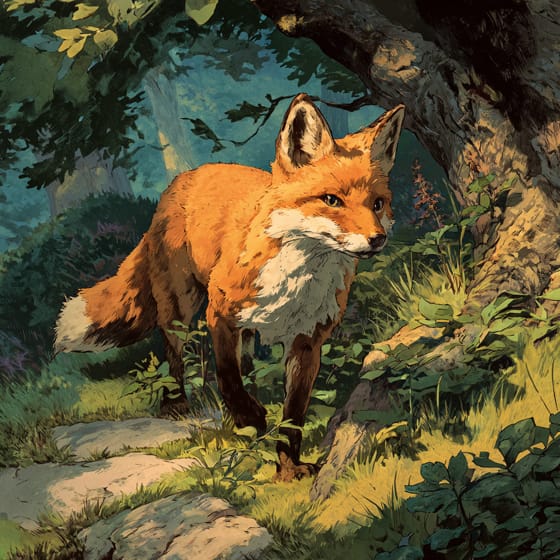
Vulpes vulpes
Red Foxes are common predators of duck eggs and sometimes adult ducks.
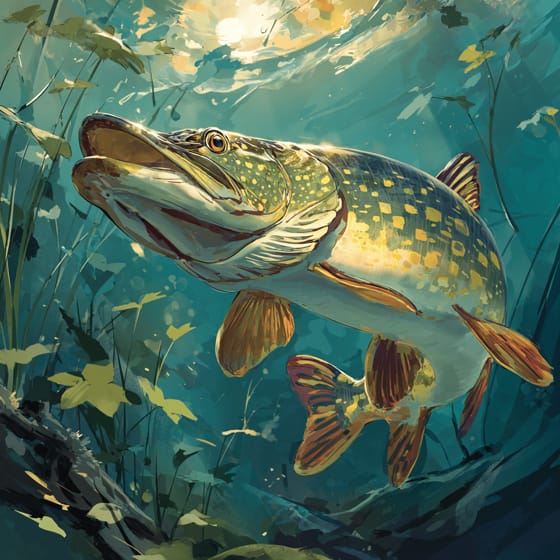
Esox lucius
Large fish like Northern Pike can prey on ducklings in the water.
Typha latifolia
Cattail marshes provide essential nesting sites and cover for ducks.
Anas platyrhynchos
Mallards depend on various aquatic plants like Zostera marina for food.
Social animals live in organized groups, cooperating for survival benefits such as foraging, defense, and raising offspring.
Colorful describes organisms or objects displaying a wide range of bright and distinct colors.
Diurnal animals are primarily active during daylight hours, typically resting or sleeping at night.
Aquatic habitats encompass environments where organisms live predominantly in water, including oceans, rivers, lakes, and wetlands.

Migratory animals undertake seasonal movements from one region to another, typically in response to changes in climate or food availability.
Danger
0/5 · No known danger
Always watch ducks from a distance and do not feed them bread.
The easiest way to identify Mallards, Pintails, And Allies is to use the Snappit nature identifier app.
45-75 cm
80-100 cm
0.7-1.6 kg
5-10 years
80 km/h
These ducks are omnivores, eating both plants and small animals they find in the water or on land.
They live in wetlands, lakes, and rivers, often found in parks and gardens.
Zoom in to split clusters and explore where this object has been snapped.
Recent snaps will appear here as new observations are added.
Take the discovery with you
Snap it with Snappit to identify it, learn what makes it special, and add the discovery to your collection.




.jpg&width=800)








