.jpg&width=800)





Mallow Scrub-Hairstreak
Strymon istapa
The Mallow Scrub-Hairstreak is a small, colorful butterfly that flutters around flowers. It has beautiful blue and orange patterns on its wings, making it a lovely sight in gardens and fields.
Habitat: Grasslands
The Mallow Scrub-Hairstreak has dull gray-brown wings on top, but the undersides are pale gray to white with a distinctive broken orange band. Each hindwing features two small black spots and delicate, thin tails that give it a unique look.
Category
InsectsRarity
Common
Danger
1/5 · Very low
Snaps
7
Its tiny tails and spots on its hindwings often fool birds into pecking the wrong end!
Mallow Scrub-Hairstreak caterpillars are super picky, only munching on mallow plants to grow!
These dazzling butterflies can be spotted flying around year-round in sunny, warm places like Florida!
They often land with their wings closed tight to show off their unique underside patterns!
Mallow Scrub-Hairstreak has tiny tails and eye-spots on its hindwings that mimic a false head to fool predators into attacking the wrong end.
Mallow Scrub-Hairstreak has pale gray-brown undersides that help it blend perfectly with dry leaves and bark in its habitat.
Mallow Scrub-Hairstreak can fly quickly and erratically, making it difficult for birds and other predators to catch them.
Adults sip nectar from flowers, while caterpillars munch exclusively on mallow leaves.
Age differences: Larvae (caterpillars) feed on mallow plant leaves, whereas adult butterflies drink nectar from various flowers.
Malva parviflora
Larvae feed exclusively on its leaves.
Sida rhombifolia
A crucial host plant for caterpillars.
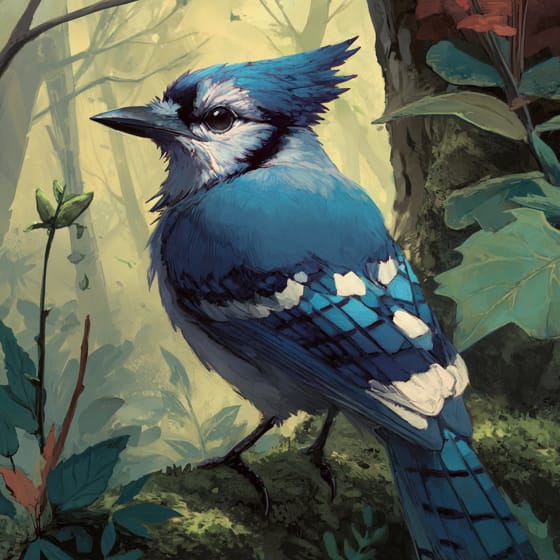
Cyanocitta cristata
A common bird predator of butterflies.
Hibiscus rosa-sinensis
Adults visit its flowers for nectar.
Camouflaged describes organisms that possess coloring or patterns that allow them to blend into their environment.
Colorful describes organisms or objects displaying a wide range of bright and distinct colors.
Grassland habitats are terrestrial biomes dominated by grasses and herbaceous plants, supporting a variety of grazing animals.
This trait characterizes organisms whose diet consists entirely or primarily of plant material.

Describes plants that are particularly attractive and beneficial to a wide range of pollinating organisms.

Diurnal animals are primarily active during daylight hours, typically resting or sleeping at night.

This trait identifies organisms that exhibit exceptional swiftness in movement for hunting, escape, or travel.

Describes organisms that transfer pollen, enabling the fertilization and reproduction of plants.
No aliases listed yet.
Danger
1/5 · Very low
Butterflies are gentle and safe to watch, but don't try to catch them.
The easiest way to identify Mallow Scrub-Hairstreak is to use the Snappit nature identifier app.
20-30 mm
10-15 mm
15-30 days
Adults sip nectar from flowers, while caterpillars munch exclusively on mallow leaves.
Grasslands
Foraging
6
Zoom in to split clusters and explore where this object has been snapped.

Florida, US
You might spot Brown Anole and Northern Curly-Tailed Lizard.
View guide →

Texas, US
You might spot Yellow-Crowned Night Heron, Duck, and Wood Duck.
View guide →

Florida, US
You might spot Peters's Rock Agama, Common Myna, and Brown Anole.
View guide →

Texas, US
You might spot Plain Chachalaca, Green Jay, and Queen.
View guide →

Texas, US
You might spot Monarch, Queen, and Fiery Skipper.
View guide →

Florida, US
You might spot Willet, Lightning Whelk, and Ruddy Turnstone.
View guide →
Take the discovery with you
Snap it with Snappit to identify it, learn what makes it special, and add the discovery to your collection.






.jpg&width=800)



