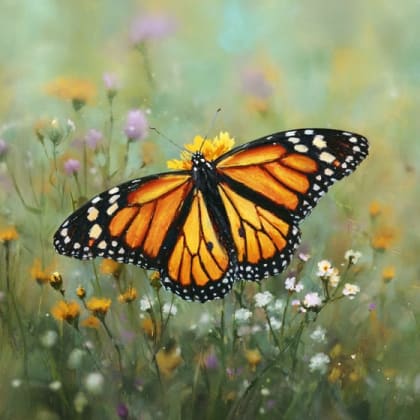





Monarch Butterfly

Discover a vibrant 41-acre living museum at the San Antonio Botanical Garden.
Discover a vibrant 41-acre living museum at the San Antonio Botanical Garden. Nestled in the heart of the city, this non-profit garden is celebrated for its outstanding horticultural displays, diverse plant collections, and commitment to education and conservation, offering a serene escape and a deep connection to the plant world. It seamlessly blends the natural beauty of Texas with exotic flora from around the globe, making it a unique destination for all ages.
The Garden's rich tapestry of exhibits includes the iconic Lucile Halsell Conservatory, a marvel of architectural design featuring five futuristic glass pyramids that transport visitors through various microclimates, from arid deserts with cacti and succulents to lush tropical rainforests brimming with orchids, bromeliads, palms, and cycads. Outside, the expansive Texas Native Trail showcases over 250 species from the state's diverse ecosystems—the Hill Country, East Texas Pineywoods, and South Texas Plains—complete with historical buildings. Younger explorers will delight in the Family Adventure Garden, an interactive wonderland with splash pads, rolling hills like Tumble Hill, and the engaging Muhly Maze, while the tranquil Kumamoto En Japanese Garden offers a peaceful retreat with its traditional design.
A visit to the San Antonio Botanical Garden promises an enriching experience, whether you're seeking inspiration for your home garden, a peaceful stroll amidst stunning natural beauty, or an engaging outdoor adventure for the family. The ever-changing seasonal blooms, coupled with educational programs and events like the popular Lightscape during winter, ensure that every visit offers something new and memorable. It’s a perfect spot for photography enthusiasts to capture breathtaking landscapes and intricate botanical details. Enhance your adventure: download the Snappit app to identify the local species you encounter.
The vision for a botanical garden in San Antonio began in the 1940s, spearheaded by Mrs. R.R. Witt and Mrs. Joseph Murphy, who established the San Antonio Garden Center. Their dedicated efforts culminated in a master plan in the late 1960s, selecting a site that was historically a limestone quarry and part of the city's old waterworks, generously gifted by George W. Brackenridge in 1899. With voter approval for bonds in 1970 and additional funding, ground was officially broken in 1976, leading to the grand opening of the San Antonio Botanical Garden on May 3, 1980. Significant expansions followed, including the opening of the architecturally distinct Lucile Halsell Conservatory in 1988 and the relocation and restoration of the historic Sullivan Carriage House, which was completed in 1995. A major 8-acre expansion in 2017 further enhanced the Garden, introducing new features like the Culinary Garden, an outdoor teaching kitchen, and the Family Adventure Garden.
Stroll through diverse themed gardens, marvel at exotic plants in the conservatories, discover native Texas flora and historical buildings along the Texas Native Trail, and let children engage in imaginative play at the Family Adventure Garden. The Culinary Garden and Outdoor CHEF Teaching Kitchen offer insights into food systems.
Spring: Witness a profusion of colorful blooms across the gardens. Enjoy mild temperatures and special events like "LUSH: Twilight in the Garden."
Summer: Embrace the lush greenery. Mornings are cooler, and the Family Adventure Garden's splash areas provide a refreshing respite. Look out for "Summer Nights" events.
Fall: Experience a change in foliage colors and festive displays, often with pumpkins. The "BOOtanica" event offers seasonal family fun.
Winter: The garden transforms with the spectacular "Lightscape" evening event, featuring illuminated trails and displays.
The San Antonio Botanical Garden prioritizes accessibility with wide, smooth, paved pathways throughout most of its 41 acres, including entry to facilities and conservatory domes. There are ample shady spots and benches for resting. Accessible restrooms are available, and wheelchairs can be rented on a first-come, first-served basis. The Sensory Garden is specifically designed for tactile and aromatic experiences accessible to all, including those in wheelchairs. Service animals are welcome.
Don't miss the Lucile Halsell Conservatory, the extensive Texas Native Trail, the interactive Family Adventure Garden, the serene Kumamoto En Japanese Garden, and the seasonal displays in the Mays Family Display Garden.
Each card links to a full Explore page with photos, traits, and fun facts.
Start with the big picture, then zoom in to explore individual wildlife observations around this place.
Wear comfortable walking shoes, as the garden spans 41 acres and involves a significant amount of walking.
Bring a refillable water bottle to stay hydrated, especially during warmer Texas months.
Protect yourself from the sun with sunscreen and a hat, as much of the garden is outdoors.
Consider visiting on a weekday or in the early morning to enjoy a quieter experience and avoid larger crowds.
If visiting with children, pack a change of clothes and a towel, especially if they plan to play in the splash areas of the Family Adventure Garden.
Check the San Antonio Botanical Garden's official website before your visit for current hours, events, and a "What's Blooming" guide to see what plants are in season.
Jun 3, 2026
Jun 3, 2026
May 30, 2026
May 30, 2026
May 30, 2026

Maryland, US
You might spot White-Tailed Deer and Eastern Gray Squirrel.
View guide →
.jpg)
District of Columbia, US
You might spot Eastern Gray Squirrel, Duck, and House Sparrow.
View guide →

Illinois, US
You might spot American Robin, Canada Goose, and House Sparrow.
View guide →

Virginia, US
You might spot Spotted Lanternfly and Northern Cardinal.
View guide →
Take the discovery with you
Identify the wildlife you spot, learn as you go, and keep a collection of the adventure.



















.jpg&width=800)
