





Malva erecta
Malva erecta
Malva erecta, also known as the erect mallow, is a cheerful plant with pretty pink flowers. It grows in sunny places and is loved by bees and butterflies!
Habitat: Urban areas
The Malva erecta has sturdy, upright stems bearing numerous delicate purplish-pink flowers, each with five distinct petals. Its soft, rounded, deeply lobed leaves appear along the stem, giving it a somewhat bushy appearance.
Category
PlantsRarity
Common
Danger
1/5 · Very low
Snaps
Be the first to snap!
Ancient Romans and Egyptians valued mallow as both a common vegetable and a healing plant.
Its small, round seeds are called 'cheeses' because they look like mini cheese wheels!
Parts of the plant, especially the leaves and flowers, can be added to salads or brewed as tea!
The word "mallow" comes from a Greek word meaning "soft," referring to its gentle leaves.
Malva erecta has a strong taproot that helps it find water deep underground and survive dry spells.
Malva erecta produces many seeds, shaped like tiny cheeses, ensuring new plants grow easily each year.
Malva erecta contains a gooey substance called mucilage, which helps soothe irritations and heal cuts.
Apis mellifera
Visits flowers for nectar and pollen.

Vanessa cardui
Larvae sometimes feed on mallow leaves.
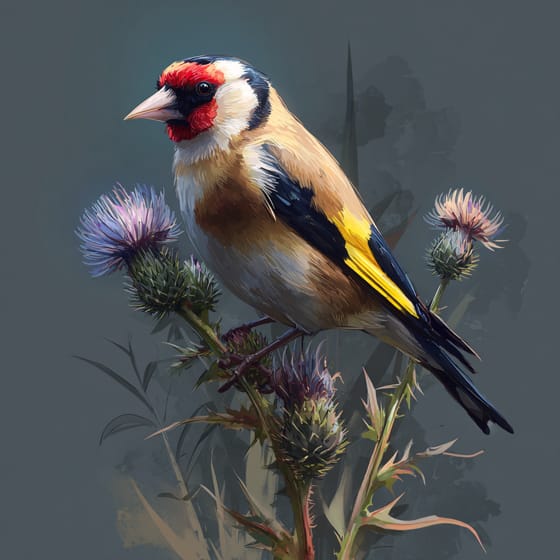
Carduelis carduelis
Feeds on the mature seeds of mallow plants.
Aphis gossypii
Sucks sap from stems and leaves.
Flowering plants are any plants that produce flowers as part of their reproductive cycle.
Summer blooming plants produce their flowers during the summer season, often providing vibrant color when many other plants have finished.
Fragrant flowers emit a pleasant aroma, often to attract pollinators or for defense.
Edible plants are those parts of a plant that are considered safe for human consumption.

Describes plants that are particularly attractive and beneficial to a wide range of pollinating organisms.

This habitat trait indicates species that can coexist with humans in urban and suburban environments, utilizing man-made structures and green spaces.
Danger
1/5 · Very low
Always check with an adult before touching or picking plants.
The easiest way to identify Malva erecta is to use the Snappit nature identifier app.
30-100 cm
20-60 cm
1-3 cm
Summer to early autumn
Yes
None
Biennial
Zoom in to split clusters and explore where this object has been snapped.
Recent snaps will appear here as new observations are added.
Take the discovery with you
Snap it with Snappit to identify it, learn what makes it special, and add the discovery to your collection.








.jpg&width=800)


_001.jpg&width=800)



