





manyflower marshpennywort
Hydrocotyle umbellata
Manyflower marshpennywort is a small, green plant that loves to grow in wet places. Its round leaves float on the water, making it look like a little green umbrella!
Habitat: Wetlands
The manyflower marshpennywort has bright green, circular leaves that resemble miniature pennies, often floating on or just above the water's surface. Its delicate stems creep along wet ground, topped by small, star-shaped white or greenish flowers clustered like tiny umbrellas.
Category
PlantsRarity
Common
Danger
1/5 · Very low
Snaps
Be the first to snap!
Even though it loves water, it can also grow on land for a while!
It can grow new plants from just a small piece of its stem!
Its tiny flowers are grouped together like a miniature umbrella!
Some people eat its fresh, crisp leaves in salads!
The manyflower marshpennywort can soak up extra nutrients from water, helping to keep its wetland home clean and healthy.
Manyflower marshpennywort uses special underground stems to quickly spread across wet areas, claiming new territory efficiently.
This plant can thrive both underwater and on soggy land, adapting its leaves to suit its wet environment.
Anas platyrhynchos
Mallards eat its seeds and foliage.
Apis mellifera
Tiny flowers provide nectar for bees.
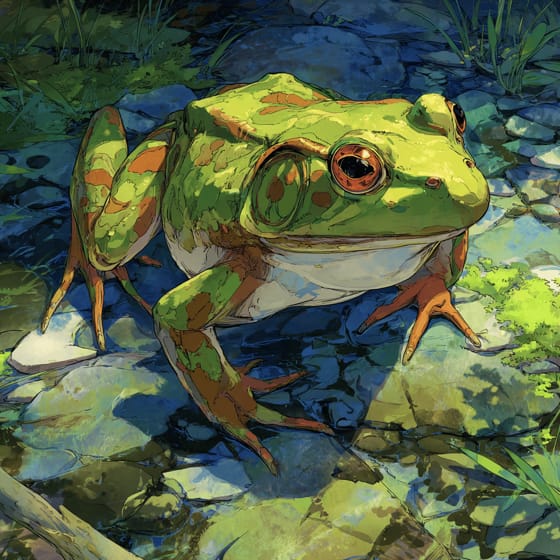
Lithobates catesbeianus
Frogs hide among its dense leaves.
Pomacea maculata
Snails graze on its soft leaves.
Flowering plants are any plants that produce flowers as part of their reproductive cycle.
Cluster flowers are inflorescences where individual flowers are arranged closely together on a common stem.
Medicinal plants possess chemical compounds that can be used for therapeutic purposes to treat illnesses or maintain health.
Edible plants are those parts of a plant that are considered safe for human consumption.

Describes plants that are particularly attractive and beneficial to a wide range of pollinating organisms.

This habitat trait identifies species found in wetlands, which are areas of land saturated with water, either permanently or seasonally, including marshes, swamps, and bogs.

Freshwater habitats include non-saline aquatic environments such as rivers, lakes, ponds, and wetlands, vital for numerous species.

Aquatic habitats encompass environments where organisms live predominantly in water, including oceans, rivers, lakes, and wetlands.
No aliases listed yet.
Danger
1/5 · Very low
Always wash your hands after touching plants, just to be safe!
The easiest way to identify manyflower marshpennywort is to use the Snappit nature identifier app.
5-20 cm
30-100 cm
0.1-0.3 cm
Late spring to early fall
Yes
None
Perennial
Zoom in to split clusters and explore where this object has been snapped.
Recent snaps will appear here as new observations are added.
Take the discovery with you
Snap it with Snappit to identify it, learn what makes it special, and add the discovery to your collection.








.jpg&width=800)



_001.jpg&width=800)



