Marbled Cellar Spider
holocnemus pluchei
The Marbled Cellar Spider is a fascinating little creature that loves to hide in dark corners. Its unique marbled pattern helps it blend into its surroundings!
Habitat: They live in dark, damp areas like basements, caves, and under rocks.
The Marbled Cellar Spider has a pale yellowish-brown body with distinct dark, marbled patterns on its abdomen. Its long, fragile legs are notably slender, often featuring darker rings at the joints, making it distinct from other cellar spiders.
Category
InvertebrateRarity
Common
Danger
0/5 · No known danger
Snaps
3
Despite their delicate looks, these spiders can capture and eat prey much larger than themselves!
Female Marbled Cellar Spiders carry their egg sac in their jaws until the spiderlings hatch!
They are sometimes called 'daddy long-legs' but are not true daddy long-legs!
They pluck other spiders' webs to lure out prey, a clever hunting trick!
Marbled Cellar Spider can spin loose, tangled webs that help them efficiently trap various flying and crawling insects.
Marbled Cellar Spider has incredibly long legs that allow it to vibrate its body rapidly, blurring itself to confuse predators.
Marbled Cellar Spider can use its agility and venom to hunt and overpower other spiders, even larger ones, in their own webs.
These expert hunters trap insects and other small arthropods in their messy webs.
Parasteatoda tepidariorum
They are known predators of other house-dwelling spiders.

Latrodectus hesperus
Marbled Cellar Spiders are known to kill and eat black widows.
Musca domestica
They efficiently catch and consume common household flies.
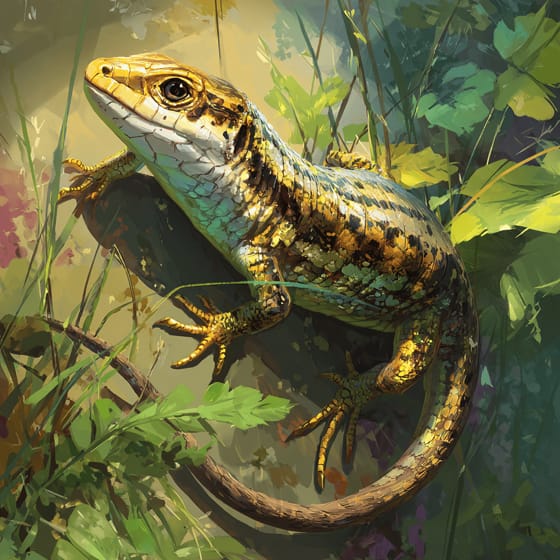
Podarcis muralis
Small lizards may occasionally prey on cellar spiders.
Solitary animals live alone for most of their lives, only interacting with others for mating or parental care.
Camouflaged describes organisms that possess coloring or patterns that allow them to blend into their environment.
Forest habitats are terrestrial environments dominated by dense tree cover, supporting a high diversity of plant and animal life.
This trait identifies organisms whose diet consists entirely or primarily of animal tissue.

Nocturnal animals are primarily active during the nighttime hours, typically resting or sleeping during the day.
Danger
0/5 · No known danger
Always look but do not touch spiders!
The easiest way to identify Marbled Cellar Spider is to use the Snappit nature identifier app.
0.05 g
1 years
These expert hunters trap insects and other small arthropods in their messy webs.
They live in dark, damp areas like basements, caves, and under rocks.
Ambush
Zoom in to split clusters and explore where this object has been snapped.

Nevada, US
You might spot Barbary Macaque, Chimpanzee, and African Lion.
View guide →

Nevada, US
You might spot Great-Tailed Grackle and Northern Mockingbird.
View guide →
Nevada, US
You might spot Northern Mockingbird and Great-Tailed Grackle.
View guide →

Nevada, US
You might spot Great-Tailed Grackle and Northern Mockingbird.
View guide →

Nevada, US
You might spot Great-Tailed Grackle and Northern Mockingbird.
View guide →

Arizona, US
You might spot Giraffes, Penguin, and Sea Lion.
View guide →
Take the discovery with you
Snap it with Snappit to identify it, learn what makes it special, and add the discovery to your collection.