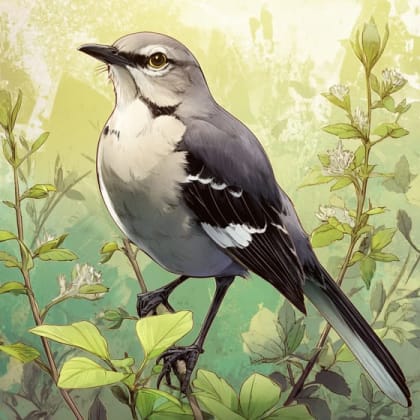





Northern Mockingbird

Discover the former Las Vegas Zoo, once a unique desert oasis for wildlife.
Discover the former Las Vegas Zoo, once a unique desert oasis for wildlife.
The Southern Nevada Zoological-Botanical Park, affectionately known as the Las Vegas Zoo, once offered a charming, intimate encounter with a diverse collection of animals and plants in the heart of Las Vegas. Operating from 1981 to 2013, this 3-acre nonprofit park focused on educating the public about desert life and global habitat protection. It provided a unique opportunity to see exotic species and local flora, distinct from the city's famed Strip.
Visitors to the park were once captivated by a variety of fascinating creatures. Among its most notable residents were the last family of Barbary apes in the United States, offering a rare glimpse into these primates' social dynamics. Other crowd-pleasers included African lions, the beloved chimpanzee named JJ, elusive Eurasian lynx, and the intriguing fossa. The botanical gardens complemented the animal exhibits with collections of bamboo and cycads, creating a surprising green sanctuary in the arid Nevada landscape.
Though no longer open, the Southern Nevada Zoological-Botanical Park left a legacy as a community-focused institution. It aimed to entertain and educate, providing families and individuals with memorable experiences through up-close interactions and displays. The park served as an important, albeit small, hub for animal and plant appreciation in Southern Nevada before its closure. Planning to visit? Download the Snappit app to identify the wildlife you spot in real-time.
The Southern Nevada Zoological-Botanical Park was founded by Pat Dingle, a Vietnam War veteran and former police officer, opening its doors in 1981. It began modestly, evolving from Dingle's successful bird store and initially featuring a petting zoo with animals like llamas, goats, and sheep. With the encouragement of experts from the San Diego Zoo, Dingle expanded the facility to house a wider array of species, growing to over 150 types of plants and animals by 1986. Over its 32-year operation, the zoo faced ongoing financial challenges and, in its later years, significant issues related to animal care and facility conditions. Despite efforts to improve, including a donation from the San Diego Zoo in 2009 for habitat renovation, mounting USDA violations—particularly concerning inadequate shade in extreme heat—and a staff walkout ultimately led to its permanent closure on September 20, 2013. The animals were subsequently relocated to other facilities and sanctuaries.
Guests could observe exotic and native animals, learn about desert ecology, and enjoy the botanical collections. The park also featured a small gem exhibit and a gift shop.
Summer visits often meant seeing animals less active during midday due to heat. Spring and fall brought pleasant weather for strolls through the park.
The park featured paved trails, making it generally accessible for strollers and wheelchairs, though its compact size meant easy navigation for most visitors.
The Barbary Apes were a must-see, as the park housed the last family of their kind in the U.S.. Visitors also enjoyed seeing the African lions, the popular chimpanzee JJ, and a variety of unique birds like Chilean flamingos and golden eagles. The botanical areas, with their bamboo and cycads, offered a tranquil contrast.
Each card links to a full Explore page with photos, traits, and fun facts.
Start with the big picture, then zoom in to explore individual wildlife observations around this place.
(Historical Context)
Arrive early
(If it were open) Arriving shortly after opening would have been best to see animals at their most active and to enjoy cooler temperatures, especially in warmer months.
Bring water
Las Vegas weather can be very hot and dry; staying hydrated was crucial during a visit.
Look for the Barbary Apes
These were a truly unique attraction, representing the last family in the U.S..
Explore the botanical sections
Don't overlook the plant collections, such as bamboo and cycads, which added to the park's desert oasis feel.
Wear comfortable shoes
Although small, comfortable footwear would have made exploring the entire 3-acre park more enjoyable.
Jun 7, 2026
Photo attribution
(c) Katrina Smith, some rights reserved (CC BY)
License: CC BY 4.0 ↗
Image may be shown cropped inside the card frame.
Jun 4, 2026
Photo attribution
(c) Katrina Smith, some rights reserved (CC BY)
License: CC BY 4.0 ↗
Image may be shown cropped inside the card frame.
Jun 4, 2026
Photo attribution
(c) Katrina Smith, some rights reserved (CC BY)
License: CC BY 4.0 ↗
Image may be shown cropped inside the card frame.
Jun 4, 2026
Photo attribution
(c) Katrina Smith, some rights reserved (CC BY)
License: CC BY 4.0 ↗
Image may be shown cropped inside the card frame.
Jun 4, 2026
Photo attribution
(c) Katrina Smith, some rights reserved (CC BY)
License: CC BY 4.0 ↗
Image may be shown cropped inside the card frame.

Maryland, US
You might spot White-Tailed Deer and Eastern Gray Squirrel.
View guide →
.jpg)
District of Columbia, US
You might spot Eastern Gray Squirrel, Duck, and House Sparrow.
View guide →

Illinois, US
You might spot American Robin, Canada Goose, and House Sparrow.
View guide →

Virginia, US
You might spot Spotted Lanternfly and Northern Cardinal.
View guide →
Take the discovery with you
Identify the wildlife you spot, learn as you go, and keep a collection of the adventure.