
Chimpanzee

The Southern Nevada Zoological-Botanical Park, affectionately known as the Las Vegas Zoo, was once a compact yet charming wildlife destination in Las Vegas.
The Southern Nevada Zoological-Botanical Park, affectionately known as the Las Vegas Zoo, was once a compact yet charming wildlife destination in Las Vegas. Operating from 1981 until its closure in 2013, this 3-acre nonprofit park aimed to educate and entertain the public by showcasing a diverse collection of plants and animals, with a particular focus on desert life and habitat protection. It offered a more intimate encounter with wildlife compared to larger metropolitan zoos, making it a beloved local attraction for over three decades.
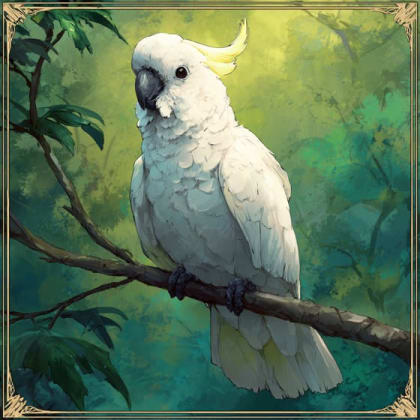
Visitors to the park could marvel at over 150 species, including notable residents like the last family of Barbary apes in the United States and a popular chimpanzee named JJ. Beyond primates, the zoo housed a variety of animals such as African lions, tigers, fascinating fossas, and a wide array of birds including Chilean flamingos and golden eagles. Its botanical elements complemented the animal exhibits, featuring plants native to the desert and beyond, creating a unique educational experience in the heart of Southern Nevada.
While the Southern Nevada Zoological-Botanical Park no longer exists, its legacy is remembered for providing a unique opportunity to connect with wildlife. It offered an accessible glimpse into the animal kingdom and botanical wonders, fostering an appreciation for biodiversity among its visitors, particularly local families and children. The charm of its smaller scale allowed for closer interactions and a more personal educational journey into the world of diverse species. Planning to visit? Download the Snappit app to identify the wildlife you spot in real-time.
The Southern Nevada Zoological-Botanical Park opened its doors in 1981, founded by Pat Dingle, a Vietnam War veteran and former police officer who had a passion for birds. Initially starting as a half-acre petting zoo with animals like llamas, goats, and sheep, it grew to become a 3-acre zoological and botanical garden. The zoo expanded its collection significantly over the years, displaying over 150 species and notably hosting the last family of Barbary apes in the U.S. Despite its local popularity, the zoo faced ongoing financial difficulties and operational challenges throughout its existence. Concerns about animal care, facility conditions, and various USDA violations mounted over time. These issues culminated in September 2013 when the remaining staff members quit due to the owner's alleged neglect. Federal authorities intervened, and the animals were subsequently relocated to other facilities and sanctuaries. The Southern Nevada Zoological-Botanical Park officially closed permanently on September 20, 2013.
Visitors could stroll through pathways to observe animals, learn about various species through informational placards, and enjoy the botanical displays. The petting zoo section offered hands-on interaction with domestic animals like goats and sheep. Educational interactions and the intimacy of the small zoo allowed for closer views of the animals.
**Seasonal notes: ** Summer in Las Vegas is extremely hot, making early morning visits essential for both visitor comfort and observing active animals. Cooler months provided a more pleasant viewing experience throughout the day.
**Accessibility features: ** While specific details are limited, as a zoo operating until 2013, it likely offered basic accessibility for paved pathways, but more extensive modern accessibility features may have been limited.
Summer in Las Vegas is extremely hot, making early morning visits essential for both visitor comfort and observing active animals. Cooler months provided a more pleasant viewing experience throughout the day.
Accessibility features: While specific details are limited, as a zoo operating until 2013, it likely offered basic accessibility for paved pathways, but more extensive modern accessibility features may have been limited.
While specific details are limited, as a zoo operating until 2013, it likely offered basic accessibility for paved pathways, but more extensive modern accessibility features may have been limited.
The park was renowned for housing the last family of Barbary apes in the United States, a significant draw for primate enthusiasts.
A popular chimpanzee named JJ (later referred to as Terry in some reports) was a beloved resident, though his solitary confinement was a point of concern for some.
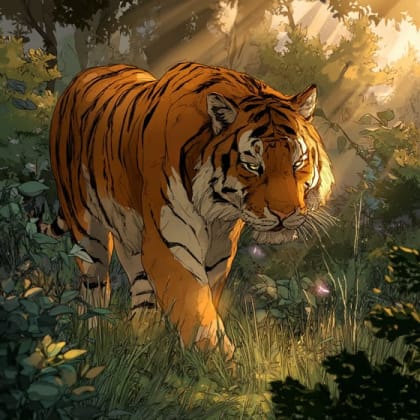
These large carnivores were among the main attractions, offering visitors a glimpse of majestic big cats.
This exhibit showcased a variety of reptiles, including venomous species native to Southern Nevada, providing an educational look at local wildlife.
Each card links to a full Explore page with photos, traits, and fun facts.
Start with the big picture, then zoom in to explore individual wildlife observations around this place.
(Reflecting on a Visit to the Southern Nevada Zoological-Botanical Park when it was open)
Please remember, these tips are for a historical perspective, as the zoo is no longer operational.
Go Early (especially in summer)
To beat the Las Vegas heat and see the animals at their most active, arriving soon after opening was always a good strategy.
Focus on the Barbary Apes
These primates were a unique highlight, being the last family of their kind in a U.S. zoo at the time.
Explore the Botanical Displays
Take time to appreciate the botanical garden aspects, which featured a range of plants alongside the animal enclosures.
Visit the Petting Zoo
For families with young children, the petting zoo offered direct interaction with friendly domestic animals like goats and sheep.
Look for Free-Roaming Birds
Peafowl and chickens often roamed freely, providing unexpected and charming encounters throughout the park.
Jun 7, 2026
Photo attribution
(c) Katrina Smith, some rights reserved (CC BY)
License: CC BY 4.0 ↗
Image may be shown cropped inside the card frame.
Jun 4, 2026
Photo attribution
(c) Katrina Smith, some rights reserved (CC BY)
License: CC BY 4.0 ↗
Image may be shown cropped inside the card frame.
Jun 4, 2026
Photo attribution
(c) Katrina Smith, some rights reserved (CC BY)
License: CC BY 4.0 ↗
Image may be shown cropped inside the card frame.
Jun 4, 2026
Photo attribution
(c) Katrina Smith, some rights reserved (CC BY)
License: CC BY 4.0 ↗
Image may be shown cropped inside the card frame.
Jun 4, 2026
Photo attribution
(c) Katrina Smith, some rights reserved (CC BY)
License: CC BY 4.0 ↗
Image may be shown cropped inside the card frame.

Michigan, US
You might spot African Lion, Komodo Dragon, and Brown Bear.
View guide →
.jpg)
Municipal District of Cobh, IE
You might spot Ring-Tailed Lemur, Giraffes, and Cheetahs.
View guide →

Nouvelle-Aquitaine, FR
You might spot Greater Flamingo, Giraffes, and Red Panda.
View guide →

Texas, US
You might spot Giraffes, African Lion, and Eastern Black Rhinoceros.
View guide →
Take the discovery with you
Identify the wildlife you spot, learn as you go, and keep a collection of the adventure.