





Marbled Newt
Triturus marmoratus
The Marbled Newt is a colorful little creature with a smooth body and lovely patterns. They are often found near water and love to hide among plants and rocks.
Habitat: Wetlands
The Marbled Newt has a stunning green body covered in irregular black marbling, making it look like a mosaic. Males develop a tall, jagged black-and-yellow crest along their back during breeding season. Its belly is typically yellow or orange with dark spots.
Category
AmphibiansRarity
Common
Danger
1/5 · Very low
Snaps
Be the first to snap!
Female newts carefully fold individual leaves around each egg they lay in water!
Marbled Newts spend most of their lives hidden, often only seen during breeding season!
Newly hatched newt larvae have amazing feathery gills on the outside of their heads!
These amphibians hibernate underground or under logs to safely survive cold winters.
Marbled Newts can regrow lost limbs, tails, and even parts of their brain because of special cells that helps them recover from injuries.
Marbled Newts have glands in their skin that produce a mild toxin, which helps them deter predators from eating them.
Marbled Newts can breathe through their skin in water because their skin is permeable, helping them absorb oxygen without surfacing.
Male Marbled Newts grow a spectacular, wavy crest during breeding season that helps them attract females with an impressive display.
Marbled Newts are hunters that eat small creatures they find both in water and on land!
Age differences: Larvae eat microscopic aquatic prey, while adults hunt larger insects and worms.
Lumbricus terrestris
Adult newts forage for these worms on land.
Culex pipiens
Newts and their larvae consume mosquito larvae in water.
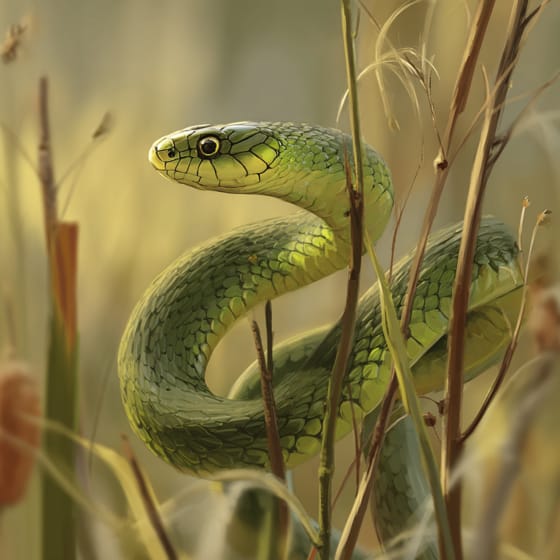
Natrix natrix
Grass snakes are a key predator of newts near water.
.jpg&width=800)
Ardea cinerea
Herons opportunistically prey on newts found in ponds.
Solitary animals live alone for most of their lives, only interacting with others for mating or parental care.
Camouflaged describes organisms that possess coloring or patterns that allow them to blend into their environment.
Colorful describes organisms or objects displaying a wide range of bright and distinct colors.
This trait identifies organisms whose diet primarily consists of insects and other small invertebrates.

This trait characterizes organisms with an exceptionally long lifespan compared to others of their kind.

This habitat trait identifies species found in wetlands, which are areas of land saturated with water, either permanently or seasonally, including marshes, swamps, and bogs.

Aquatic habitats encompass environments where organisms live predominantly in water, including oceans, rivers, lakes, and wetlands.

Nocturnal animals are primarily active during the nighttime hours, typically resting or sleeping during the day.

Endangered status indicates a species is at a very high risk of extinction in the wild in the near future.
No aliases listed yet.
Danger
1/5 · Very low
Always watch where you step near water to keep newts safe.
The easiest way to identify Marbled Newt is to use the Snappit nature identifier app.
13-17 cm
0.01-0.03 kg
8-15 years
1.5 km/h
Marbled Newts are hunters that eat small creatures they find both in water and on land!
Wetlands
Foraging
Zoom in to split clusters and explore where this object has been snapped.
Recent snaps will appear here as new observations are added.
Take the discovery with you
Snap it with Snappit to identify it, learn what makes it special, and add the discovery to your collection.







.JPG&width=800)


.jpg&width=800)
