





marsh cinquefoil
Comarum palustre
Marsh cinquefoil is a pretty plant that grows in wet places like marshes. It has bright yellow flowers that look like little cups and can be found near water.
Habitat: Wetlands
The marsh cinquefoil has striking deep reddish-purple, star-shaped flowers that stand out against its green, palmate leaves, often with five leaflets. Its stems are typically reddish, adding to its unique wetland beauty.
Category
PlantsRarity
Common
Danger
1/5 · Very low
Snaps
3
Ancient people used its roots to make a reddish dye for clothes!
Its leaves often have five 'fingers,' like a tiny green hand!
Its unique flowers are a rare deep purple, unlike most wetland plants.
This plant can sometimes float on water, thanks to its special stems!
Marsh cinquefoil has hollow stems that help it breathe, allowing it to thrive in waterlogged or submerged wetland soils.
Marsh cinquefoil can spread widely using creeping rhizomes, helping it colonize new, muddy areas and grow in dense patches.
Marsh cinquefoil has deep reddish-purple flowers that attract specific insect pollinators like flies and some bees for reproduction.
Bombus lucorum
Collects nectar and pollen.
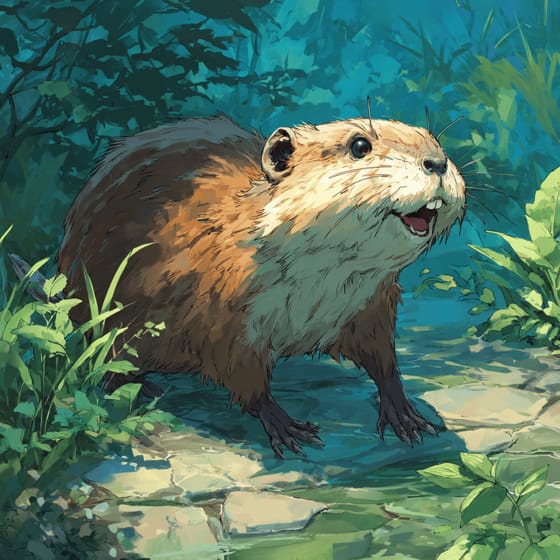
Ondatra zibethicus
Eats rhizomes and stems.
Anas platyrhynchos
Feeds on seeds and leaves.
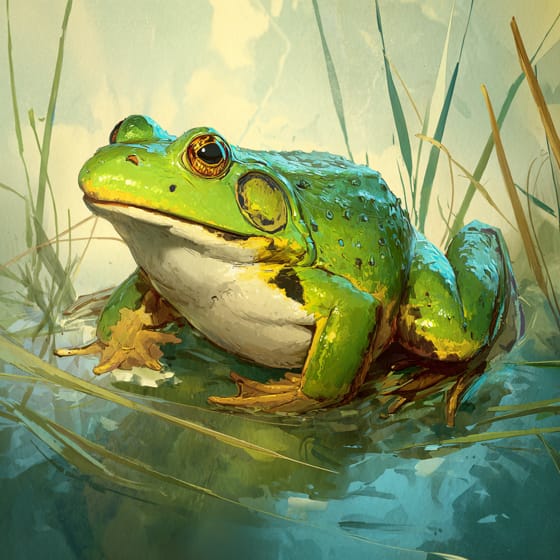
Lithobates clamitans
Hides among its dense growth.
Flowering plants are any plants that produce flowers as part of their reproductive cycle.
Summer blooming plants produce their flowers during the summer season, often providing vibrant color when many other plants have finished.
Medicinal plants possess chemical compounds that can be used for therapeutic purposes to treat illnesses or maintain health.
Describes plants that are particularly attractive and beneficial to a wide range of pollinating organisms.

This habitat trait identifies species found in wetlands, which are areas of land saturated with water, either permanently or seasonally, including marshes, swamps, and bogs.

Describes organisms that transfer pollen, enabling the fertilization and reproduction of plants.
No aliases listed yet.
Danger
1/5 · Very low
Always look but don't touch plants without asking an adult first.
The easiest way to identify marsh cinquefoil is to use the Snappit nature identifier app.
10-50 cm
30-100 cm
1.5-2.5 cm
Late Spring to Late Summer (June-August)
No
None
Perennial
Zoom in to split clusters and explore where this object has been snapped.

Wisconsin, US
You might spot Purple Pitcher Plant, Papillose Peatmoss, and Tamarack.
View guide →

Minnesota, US
You might spot Eastern White Pine, Ruffed Grouse, and Northern Pin Oak.
View guide →

Vermont, US
You might spot Osprey, Great Blue Heron, and Wood Duck.
View guide →
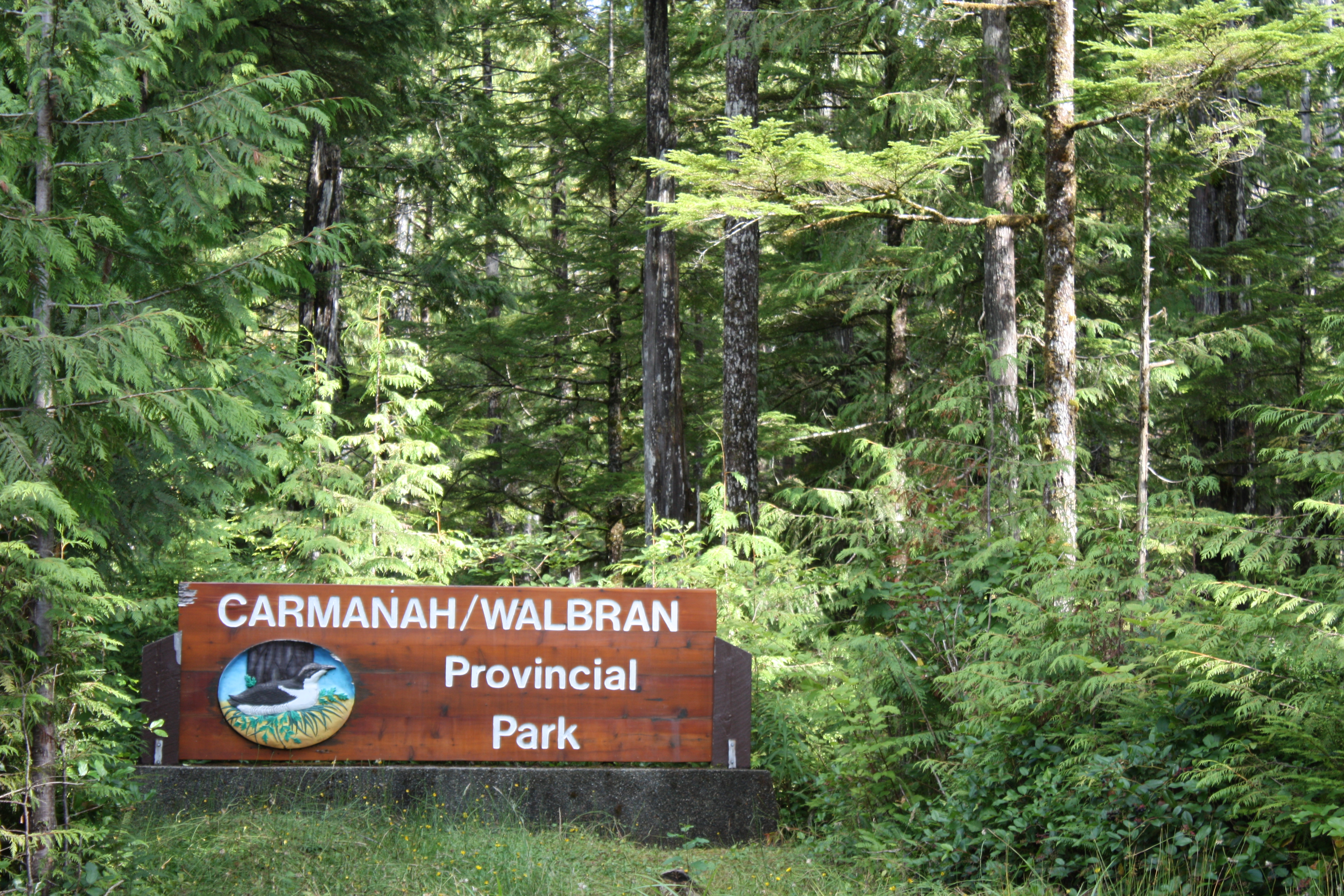
British Columbia, CA
You might spot Pacific Banana Slug and Round-Leaved Sundew.
View guide →
Take the discovery with you
Snap it with Snappit to identify it, learn what makes it special, and add the discovery to your collection.








.jpg&width=800)



_001.jpg&width=800)




