





marsh pink
Sabatia stellaris
Marsh pink is a beautiful flower that grows in wet places like marshes. It has lovely pink petals that attract butterflies and bees, making it a special part of nature.
Habitat: Wetlands
The marsh pink has vibrant pink, star-shaped flowers, each with a bright yellow center. Its delicate petals are often pointed, growing atop slender, often branched stems with narrow, green leaves, making it stand out in marshy landscapes.
Category
PlantsRarity
Common
Danger
1/5 · Very low
Snaps
Be the first to snap!
Despite its fragile look, the marsh pink is a tough survivor of harsh coastal environments!
Its scientific name 'stellaris' means 'star-like,' perfectly describing its beautiful, five-pointed blooms!
Its tiny seeds are like miniature adventurers, waiting for the perfect muddy spot to sprout.
This plant loves salty marshland, thriving where few other delicate flowers dare to grow!
Marsh pink can thrive in wet, often salty coastal soils where many other plants cannot survive, helping it dominate unique habitats.
Marsh pink has bright colors and nectar guides that attract bees and butterflies, ensuring its flowers are pollinated.
Marsh pink can grow quickly from seed, allowing it to rapidly colonize disturbed marsh areas after floods or storms.
Apis mellifera
Visits flowers for nectar and pollen
Bombus impatiens
A primary pollinator for marsh pink
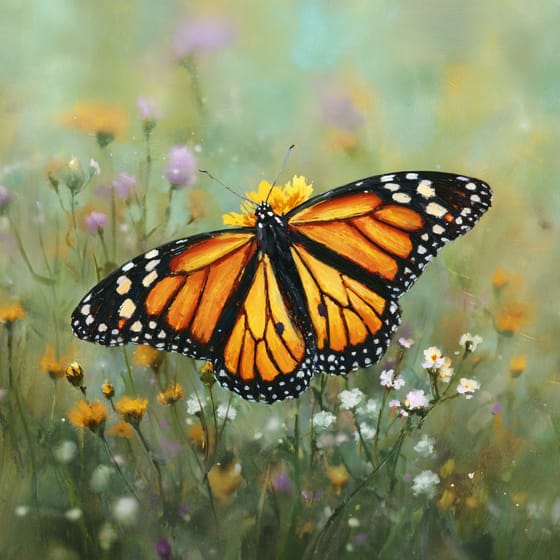
Danaus plexippus
Feeds on nectar, aiding pollination
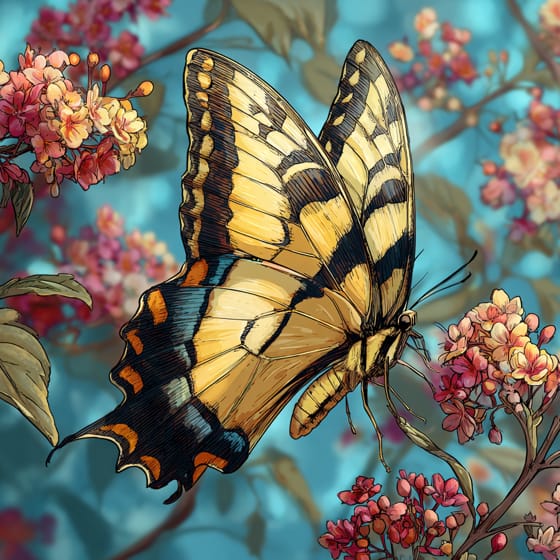
Papilio glaucus
Attracted to its vibrant pink flowers
Flowering plants are any plants that produce flowers as part of their reproductive cycle.
Cluster flowers are inflorescences where individual flowers are arranged closely together on a common stem.
Summer blooming plants produce their flowers during the summer season, often providing vibrant color when many other plants have finished.
Fragrant flowers emit a pleasant aroma, often to attract pollinators or for defense.

Colorful describes organisms or objects displaying a wide range of bright and distinct colors.

Describes plants that are particularly attractive and beneficial to a wide range of pollinating organisms.

This habitat trait identifies species found in wetlands, which are areas of land saturated with water, either permanently or seasonally, including marshes, swamps, and bogs.
No aliases listed yet.
Danger
1/5 · Very low
Always look but don't pick flowers, so they can keep growing for everyone to enjoy.
The easiest way to identify marsh pink is to use the Snappit nature identifier app.
15-60 cm
10-20 cm
2-4 cm
Summer to early Fall
No
None
Annual
Zoom in to split clusters and explore where this object has been snapped.
Recent snaps will appear here as new observations are added.
Take the discovery with you
Snap it with Snappit to identify it, learn what makes it special, and add the discovery to your collection.








.jpg&width=800)


_001.jpg&width=800)




