





Marshelder
Euphrosyne xanthiifolia
Marshelder is a tall, bright plant that loves to grow in sunny places. It has lovely yellow flowers that attract butterflies and bees, making it a happy spot in nature.
Habitat: Wetlands
The Marshelder is a tall, bushy plant with large, deeply toothed leaves that are light green on top and paler underneath. Its small, inconspicuous greenish-yellow flower heads grow in dense clusters at the tips of its branches. It often has a robust, branched appearance.
Category
PlantsRarity
Common
Danger
1/5 · Very low
Snaps
Be the first to snap!
Marshelder can grow over 10 feet tall, sometimes looking like a small, leafy tree!
Marshelder is super tough, growing fast even in poor soil where others struggle!
Marshelder pollen, super light, causes many late summer allergies!
Marshelder's tiny seeds can wait decades in soil, then sprout when disturbed!
Marshelder can grow incredibly fast and tall, helping it shade out smaller plants to win more sunlight and space.
Marshelder has many small, light seeds that can float on water or be wind-borne, helping it spread to new places easily.
Marshelder produces massive amounts of very light pollen, which the wind easily carries far away to help new plants grow.
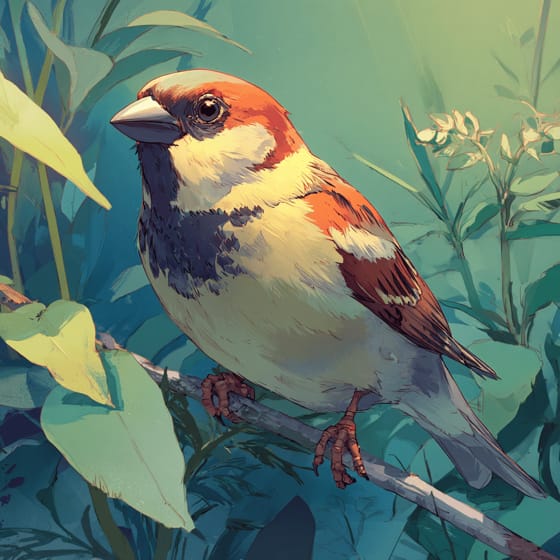
Passer domesticus
Its small seeds are a food source.
Sitochroa chortalis
Larvae feed on the leaves.
Glomus intraradices
It forms a helpful partnership in its roots.
Flowering plants are any plants that produce flowers as part of their reproductive cycle.
Summer blooming plants produce their flowers during the summer season, often providing vibrant color when many other plants have finished.
Fragrant flowers emit a pleasant aroma, often to attract pollinators or for defense.
Colorful describes organisms or objects displaying a wide range of bright and distinct colors.

Describes plants that are particularly attractive and beneficial to a wide range of pollinating organisms.

Rapid growing plants exhibit accelerated growth rates, quickly increasing in size and biomass within a short period.

This habitat trait identifies species found in wetlands, which are areas of land saturated with water, either permanently or seasonally, including marshes, swamps, and bogs.
No aliases listed yet.
Danger
1/5 · Very low
Always look but don't touch plants without asking an adult first.
The easiest way to identify Marshelder is to use the Snappit nature identifier app.
100-300 cm
30-100 cm
0.2-0.5 cm
Late summer to fall
No
None
Annual
Zoom in to split clusters and explore where this object has been snapped.
Recent snaps will appear here as new observations are added.
Take the discovery with you
Snap it with Snappit to identify it, learn what makes it special, and add the discovery to your collection.








.jpg&width=800)


_001.jpg&width=800)




