





Masked Lapwing
Vanellus miles
The Masked Lapwing is a fun bird with a black crown and bright yellow wattles on its face. It loves to run around in open areas and can be found near water, making it a lively sight to see!
Habitat: Grasslands
The Masked Lapwing has a striking black head and nape, a white body, and a brown back. Its most distinctive features are the bright yellow wattles on its face, forming a 'mask', and a prominent sharp yellow spur on each wing.
Category
BirdsRarity
Common
Danger
2/5 · Low
Snaps
Be the first to snap!
Lapwing chicks can run and find their own food just hours after hatching!
Their 'mask' is actually soft, bright yellow skin called wattles!
These birds are often heard before they are seen, thanks to their loud calls.
They build their nests on the ground, often in surprising open places!
Masked Lapwings have a sharp yellow spur on each wing that helps them defend their nests and young from predators.
Masked Lapwings can perform a 'broken-wing display' to distract predators away from their hidden ground nests.
Masked Lapwings have large eyes and excellent hearing that help them spot tiny insects and worms on the ground.
Masked Lapwings mostly eat insects and other small invertebrates found in the soil.

Felis catus
Cats often prey on eggs and chicks.
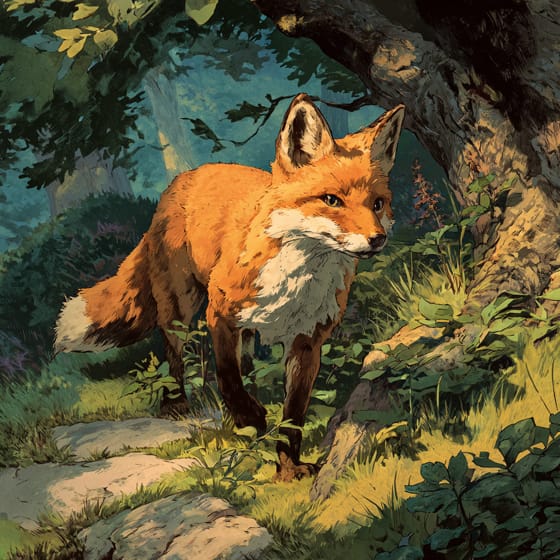
Vulpes vulpes
Foxes are a major predator of eggs and chicks.
Corvus coronoides
Ravens may steal eggs or young chicks.
Lumbricus terrestris
A primary food source, often pulled from soil.

Melanoplus differentialis
Lapwings actively hunt various grasshopper species.
Feathered describes animals, primarily birds, possessing a covering of feathers.
Social animals live in organized groups, cooperating for survival benefits such as foraging, defense, and raising offspring.
This trait identifies organisms whose diet includes both plant and animal matter.
Colorful describes organisms or objects displaying a wide range of bright and distinct colors.

Grassland habitats are terrestrial biomes dominated by grasses and herbaceous plants, supporting a variety of grazing animals.

Diurnal animals are primarily active during daylight hours, typically resting or sleeping at night.

This trait identifies organisms that exhibit exceptional swiftness in movement for hunting, escape, or travel.
Danger
2/5 · Low
If you see a Masked Lapwing, watch from a distance so you don't scare it or its babies.
The easiest way to identify Masked Lapwing is to use the Snappit nature identifier app.
30-37 cm
75-85 cm
0.3-0.45 kg
5-10 years
50 km/h
Masked Lapwings mostly eat insects and other small invertebrates found in the soil.
Grasslands
Zoom in to split clusters and explore where this object has been snapped.
Recent snaps will appear here as new observations are added.
Take the discovery with you
Snap it with Snappit to identify it, learn what makes it special, and add the discovery to your collection.




.jpg&width=800)








