





May Lily
Maianthemum bifolium
May Lily is a lovely little flower that blooms in the spring. It has pretty white flowers and grows in shady places, making it a delightful sight in the forest.
Habitat: Forests
The May Lily is a small woodland plant with two distinctive, glossy heart-shaped green leaves. It has a delicate spike of tiny, star-shaped white flowers that bloom atop a slender stem, making it stand out against the forest floor.
Category
PlantsRarity
Common
Danger
1/5 · Very low
Snaps
2
After flowering, this plant grows cheerful red berries that look like tiny jewels!
Although it looks delicate, this plant can live for many years, returning each spring!
Its scientific name, 'bifolium,' means 'two leaves' in Latin, perfectly describing its look!
May Lilies often create beautiful carpets of green and white across shady forest floors!
May Lily can spread quickly using strong underground stems called rhizomes, helping it colonize new areas and form large patches.
May Lily has bright red berries that attract birds, which then help disperse its seeds to new locations when they eat the fruit.
May Lily contains compounds that make its berries taste unpleasant and slightly toxic, which can deter some animals from eating too many of them.
Apis mellifera
collects nectar and pollen
Bombus terrestris
visits flowers for nectar
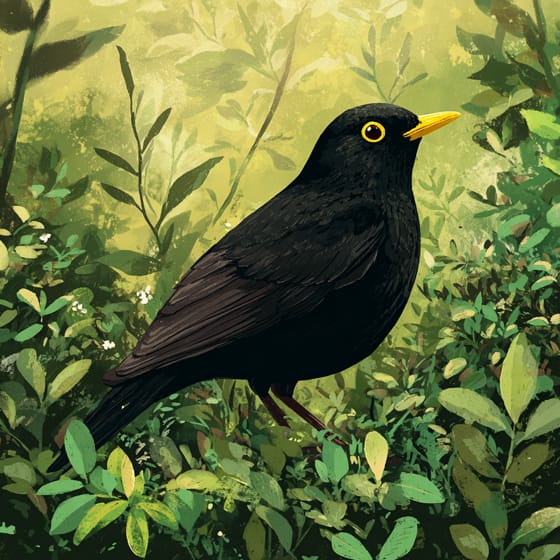
Turdus merula
eats ripe berries, spreading seeds

Arion ater
grazes on leaves and stems
Bell-shaped flowers possess petals fused or arranged to form a cup-like or campanulate structure resembling a bell.
Deciduous plants periodically shed all their leaves, typically during autumn or dry seasons.
Flowering plants are any plants that produce flowers as part of their reproductive cycle.
Ornamental plants are cultivated primarily for their aesthetic appeal, enhancing landscapes and gardens with their attractive foliage, flowers, or form.

Cluster flowers are inflorescences where individual flowers are arranged closely together on a common stem.

Shade tolerant plants are adapted to grow and thrive in areas with low light levels, requiring less direct sunlight.

Spring blooming plants produce their flowers during the spring season, often signifying the end of winter and the start of new growth.

Forest habitats are terrestrial environments dominated by dense tree cover, supporting a high diversity of plant and animal life.
No aliases listed yet.
Danger
1/5 · Very low
Always look but don't pick flowers, so everyone can enjoy them!
The easiest way to identify May Lily is to use the Snappit nature identifier app.
10-25 cm
5-15 cm
0.3-0.5 cm
Late spring to early summer
No
Mild
Perennial
Zoom in to split clusters and explore where this object has been snapped.
Take the discovery with you
Snap it with Snappit to identify it, learn what makes it special, and add the discovery to your collection.




.jpg)

.jpg&width=800)



_001.jpg&width=800)



