





Meadow Brown
Maniola jurtina
The Meadow Brown is a lovely butterfly with orange-brown wings. It flutters around meadows and fields, bringing joy to everyone who sees it!
Habitat: Grasslands
The Meadow Brown is a medium-sized butterfly with dull brown wings. Males are almost entirely brown, while females typically have a prominent orange-brown patch on their forewings, each usually sporting a single black eyespot near the tip.
Category
InsectsRarity
Common
Danger
1/5 · Very low
Snaps
1
Meadow Brown butterflies can 'play dead' by dropping to the ground if threatened!
Some Meadow Brown males perform aerial 'dogfights' to win over females!
Their caterpillars overwinter by hiding in grass, enduring cold and even snow!
Unlike most, these butterflies can fly even on surprisingly dull, cloudy days!
Meadow Brown has a distinctive eyespot on its forewings that can distract predators, drawing attacks away from its vital body parts.
Meadow Brown can fly on cooler, overcast days, thanks to a lower temperature threshold that keeps it active.
Meadow Brown has dull brown underwings, helping it blend perfectly with dry grasses when resting, avoiding detection.
Adult butterflies sip flower nectar, while their caterpillars munch on grass leaves.
Age differences: Caterpillars feed on various grass leaves, while adult butterflies primarily consume nectar from flowers.
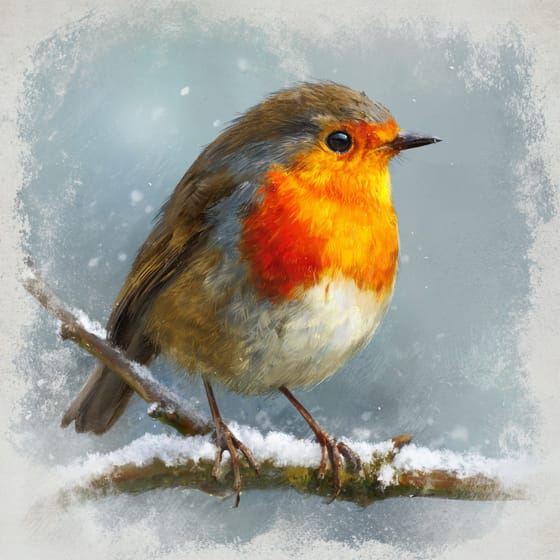
Erithacus rubecula
Robins hunt adult butterflies as a food source.
Argiope bruennichi
These spiders build large webs that can trap adult butterflies.

Cirsium arvense
The butterfly sips nectar, aiding in the thistle's reproduction.
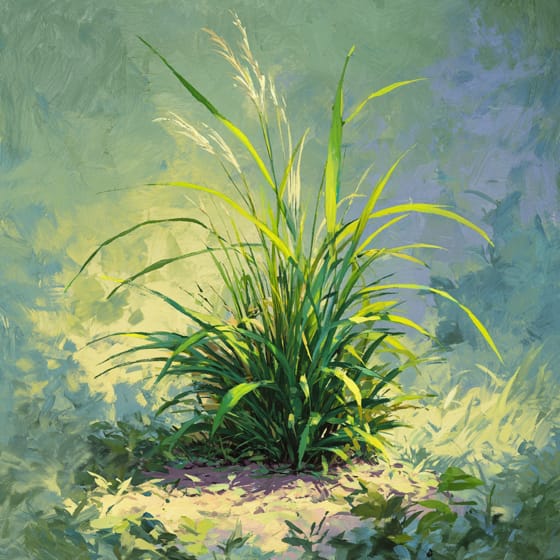
Poa pratensis
Meadow Brown caterpillars feed on the leaves of this grass species.
Solitary animals live alone for most of their lives, only interacting with others for mating or parental care.
Camouflaged describes organisms that possess coloring or patterns that allow them to blend into their environment.
Colorful describes organisms or objects displaying a wide range of bright and distinct colors.
Grassland habitats are terrestrial biomes dominated by grasses and herbaceous plants, supporting a variety of grazing animals.

This trait characterizes organisms whose diet consists entirely or primarily of plant material.

Describes plants that are particularly attractive and beneficial to a wide range of pollinating organisms.

Diurnal animals are primarily active during daylight hours, typically resting or sleeping at night.

Describes organisms that transfer pollen, enabling the fertilization and reproduction of plants.
No aliases listed yet.
Danger
1/5 · Very low
Always watch butterflies from a distance and don't try to catch them.
The easiest way to identify Meadow Brown is to use the Snappit nature identifier app.
35-50 mm
15-25 mm
330-365 days
15 km/h
Adult butterflies sip flower nectar, while their caterpillars munch on grass leaves.
Grasslands
Foraging
Zoom in to split clusters and explore where this object has been snapped.
Take the discovery with you
Snap it with Snappit to identify it, learn what makes it special, and add the discovery to your collection.







.jpg&width=800)



