





Meadow Pink
Sabatia campestris
Meadow Pink is a lovely flower that blooms in fields and meadows. Its bright pink petals attract butterflies and bees, making it a cheerful sight in nature!
Habitat: Grasslands
The Meadow Pink has striking, star-shaped flowers, usually bright pink or magenta, with a contrasting golden-yellow center. Each delicate petal has a tiny yellow-green spot at its base, creating a unique ring around the flower's heart. It grows on a slender, upright stem, making its vibrant blooms stand out.
Category
PlantsRarity
Common
Danger
1/5 · Very low
Snaps
1
Despite its name, it's not related to the garden 'pink' flowers, but gentians!
Its bright pink color helps it stand out from green leaves, shouting 'Look at me!'
Some say it smells like honey, inviting thirsty bees and butterflies to visit!
This plant can only grow if it gets lots of sunshine all day long!
The Meadow Pink has bright yellow centers that act like landing strips, guiding helpful insects directly to its pollen and nectar.
Meadow Pink can quickly grow from seed to flower in one season, allowing it to complete its life cycle before harsh weather arrives.
Meadow Pink produces many tiny seeds that can be carried by wind or water, helping it spread to new sunny spots.
Apis mellifera
Visits flowers for nectar and pollen, helping the plant reproduce.

Bombus impatiens
Bumble bees are important visitors, transferring pollen between Meadow Pink flowers.
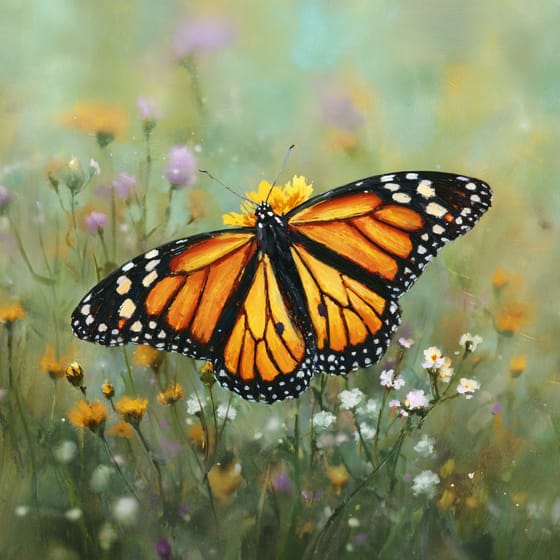
Danaus plexippus
Monarchs are attracted to its bright flowers, spreading pollen as they feed.
Flowering plants are any plants that produce flowers as part of their reproductive cycle.
Spring blooming plants produce their flowers during the spring season, often signifying the end of winter and the start of new growth.
Summer blooming plants produce their flowers during the summer season, often providing vibrant color when many other plants have finished.
Fragrant flowers emit a pleasant aroma, often to attract pollinators or for defense.

Colorful describes organisms or objects displaying a wide range of bright and distinct colors.

Grassland habitats are terrestrial biomes dominated by grasses and herbaceous plants, supporting a variety of grazing animals.

Describes plants that are particularly attractive and beneficial to a wide range of pollinating organisms.
No aliases listed yet.
Danger
1/5 · Very low
Always look but don't pick flowers, as they are homes for insects.
The easiest way to identify Meadow Pink is to use the Snappit nature identifier app.
15-45 cm
2.5-4 cm
Late Spring to Late Summer
No
None
Annual
Insect
Zoom in to split clusters and explore where this object has been snapped.
Take the discovery with you
Snap it with Snappit to identify it, learn what makes it special, and add the discovery to your collection.









.jpg&width=800)


_001.jpg&width=800)




