


Northern Cardinal

George Bush Park, a magnificent 7,800-acre urban oasis on the far west side of Houston, Texas, stands as a testament to nature's enduring beauty within a bustling metropolitan area.
George Bush Park, a magnificent 7,800-acre urban oasis on the far west side of Houston, Texas, stands as a testament to nature's enduring beauty within a bustling metropolitan area. Named in honor of the 41st U.S. President, George H.W. Bush, this sprawling park is more than just green space; it's a vital nature reserve situated entirely within the Barker Reservoir, a critical flood control structure for the region. Offering a unique blend of recreational amenities and diverse natural habitats, the park serves as a cherished escape for outdoor enthusiasts and a sanctuary for a remarkable array of wildlife, beckoning visitors to explore its vast landscapes and rich biodiversity.
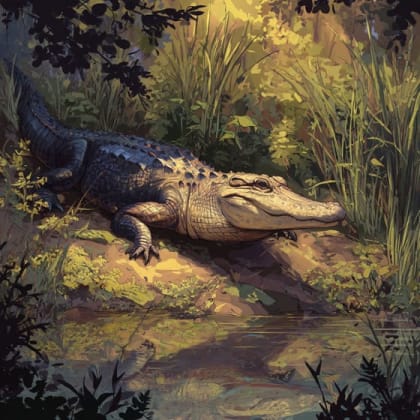
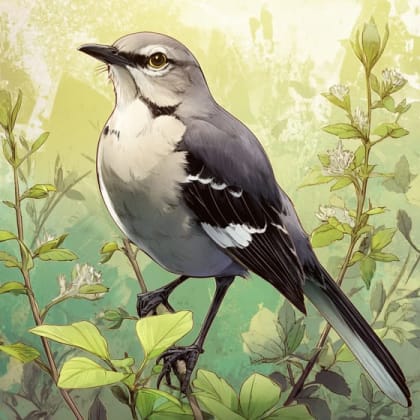
The park's extensive network of over 11 miles of hike and bike trails winds through picturesque swamps, dense forests, and along the meandering Buffalo Bayou, providing endless opportunities for exploration. Keep an eye out for an American Alligator basking by the water's edge or a stealthy Northern Cottonmouth making its way through the undergrowth. Birdwatchers will delight in spotting species like the vibrant Northern Cardinal, the melodic Northern Mockingbird, or the striking Great Egret, especially from "the Boardwalk" – a large wooden bridge crossing the Buffalo Bayou that offers excellent vantage points for observing aquatic life and birds. Beyond the trails, the park features sports fields, a dog park, an equestrian trail, and a model airplane field, ensuring there's an activity for every interest.
George Bush Park is a memorable destination because it masterfully combines active recreation with profound natural immersion. Whether you're seeking a vigorous bike ride through scenic plains, a peaceful stroll observing various bird species such as the Carolina Chickadee or Savannah Sparrow, or the thrill of photographing a White-tailed Deer or a Wild Boar in its natural habitat, this park delivers. Its commitment to preserving natural spaces while providing accessible outdoor activities makes it an invaluable gem in the heart of Texas, inviting repeat visits to uncover its many hidden wonders throughout the changing seasons. Unlock an interactive field guide for this spot: get the Snappit app to identify nature on the go.
Before its establishment as a park, the area now known as George Bush Park was part of the Stephen F. Austin colony and later served as ranch land. In the 1880s, the Texas Western Narrow Gauge Railroad briefly operated through this region, leaving behind a historical legacy. The park's current form is largely due to the construction of the Barker Reservoir in the 1940s by the U.S. Army Corps of Engineers, designed to control flooding along the Buffalo Bayou. Originally named Cullen–Barker Park, the venue was officially renamed George Bush Park in January 1997 by Harris County Commissioner Steve Radack, honoring the 41st President of the United States, George H.W. Bush. The former president himself attended the opening ceremony for the renamed park in May of that year.
Hiking, cycling, fishing, wildlife photography, birdwatching, picnicking, playing at the playground, equestrian activities, and observing model airplanes. You might spot American Alligators, various water birds like Great Egrets and Yellow-crowned Night Herons, and even Wild Boar.
No specific public events were identified, but local sports leagues frequently utilize the park's fields. The park, being within the Barker Reservoir, is subject to flooding and potential closures during and after heavy rainfall.
The park features paved hike and bike trails, making many areas accessible. Restrooms and picnic areas are also available.
Over 11 miles of paved and unpaved paths, connecting with Terry Hershey Park for a continuous 22-mile route.
A significant wooden bridge over Buffalo Bayou, offering prime spots for wildlife observation.
Dedicated areas for canine companions.
A specific area for model aircraft enthusiasts.
Each card links to a full Explore page with photos, traits, and fun facts.
Start with the big picture, then zoom in to explore individual wildlife observations around this place.
Hydrate
Bring plenty of water, especially during warmer months, as Houston can be hot and humid.
Insect Protection
Carry and apply deep woods mosquito spray, especially when exploring areas near wetlands or unpaved trails.
Check Conditions
After heavy rains, call the park or check local conditions, as some areas, particularly unpaved trails within the Barker Reservoir, may be subject to flooding and become impassable.
Stay on Trails
Adhere to marked trails to protect the natural environment, avoid poison ivy, and ensure your safety, particularly in areas known for wildlife such as snakes.
Visit the Boardwalk
For excellent birdwatching and potential alligator sightings, make sure to visit the large wooden Boardwalk that crosses the Buffalo Bayou.
Proper Footwear
Wear comfortable, appropriate shoes for hiking or biking, as trails can vary from paved to gravel and natural surfaces.
Jan 5, 2026
Jan 5, 2026
Jan 5, 2026
Jan 5, 2026
Jan 5, 2026

Maryland, US
You might spot White-Tailed Deer and Eastern Gray Squirrel.
View guide →
.jpg)
District of Columbia, US
You might spot Eastern Gray Squirrel, Duck, and House Sparrow.
View guide →

Illinois, US
You might spot American Robin, Canada Goose, and House Sparrow.
View guide →

Virginia, US
You might spot Spotted Lanternfly and Northern Cardinal.
View guide →
Take the discovery with you
Identify the wildlife you spot, learn as you go, and keep a collection of the adventure.