





Meadow Pipit
Anthus pratensis
The Meadow Pipit is a small, cheerful bird that loves to hop around in grassy fields. With its brown feathers and sweet song, it brings joy to anyone who sees it!
Habitat: Grasslands
The Meadow Pipit is a small, streaky brown bird, subtly camouflaged against grassy environments. It has a pale belly with dark streaks, especially on the flanks and breast, and often shows pinkish-orange legs. Its fine, pointed bill and long hind claw are distinctive features.
Category
BirdsRarity
Common
Danger
1/5 · Very low
Snaps
Be the first to snap!
Meadow Pipits often 'parachute' from the sky to impress their friends!
Their nests are tricky to find, hidden deep in the grass!
These little birds travel thousands of kilometers when they migrate!
They love munching on tiny spiders and beetles for a snack!
Meadow Pipit can perform a thrilling 'parachute' display flight because it helps them attract a mate and defend territory.
Meadow Pipit has streaky brown plumage that helps them blend perfectly into tall grass, making them hard for predators to spot.
Meadow Pipit can dart and snatch flying insects mid-air because of their agile flight and quick reflexes.
These little birds feast on tiny insects and seeds found in grassy fields.
Cuculus canorus
Often chosen as a host for Common Cuckoo chicks.
Falco tinnunculus
A frequent prey item for hunting Kestrels.
Araneus diadematus
Eats these common spiders found in meadows.
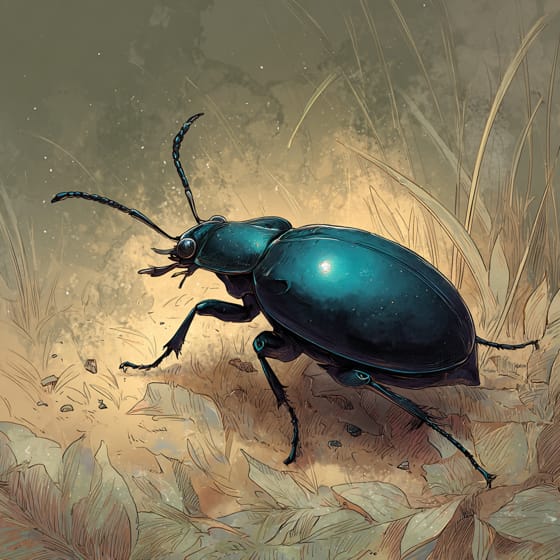
Carabus nemoralis
Forages for ground beetles among the vegetation.

Poa pratensis
Consumes the seeds of various common grasses.
Feathered describes animals, primarily birds, possessing a covering of feathers.
Social animals live in organized groups, cooperating for survival benefits such as foraging, defense, and raising offspring.
Singing animals produce complex vocalizations, often for purposes of attracting mates, defending territory, or communicating within their species.
Grassland habitats are terrestrial biomes dominated by grasses and herbaceous plants, supporting a variety of grazing animals.

This trait identifies organisms whose diet primarily consists of insects and other small invertebrates.

Diurnal animals are primarily active during daylight hours, typically resting or sleeping at night.
No aliases listed yet.
Danger
1/5 · Very low
Always watch birds from a distance and don't try to catch them.
The easiest way to identify Meadow Pipit is to use the Snappit nature identifier app.
13-15 cm
21-25 cm
0.015-0.022 kg
2-5 years
35 km/h
These little birds feast on tiny insects and seeds found in grassy fields.
Grasslands
Zoom in to split clusters and explore where this object has been snapped.
Recent snaps will appear here as new observations are added.
Take the discovery with you
Snap it with Snappit to identify it, learn what makes it special, and add the discovery to your collection.




.jpg&width=800)









