.jpg&width=800)





Mesocricetus
Mesocricetus
The Mesocricetus, also known as the golden hamster, is a small, furry pet that loves to run and play. They have cute little cheeks that can store food, making them fun to watch!
Habitat: Desert
The Mesocricetus is a stocky rodent with a short tail, typically adorned with rich golden-brown fur on its back and white underparts. Its small, dark eyes and prominent cheek pouches make it distinctly recognizable.
Category
MammalsRarity
Common
Danger
1/5 · Very low
Snaps
Be the first to snap!
A mother hamster can give birth every three weeks!
Hamsters have terrible eyesight, relying on whiskers and smell.
Their teeth never stop growing, so they chew constantly!
Wild golden hamsters were once thought to be extinct!
Mesocricetus can dig complex burrows with multiple chambers, providing safe shelter from predators and harsh weather.
Mesocricetus uses hip scent glands to mark territory, helping it navigate and find its way home.
Mesocricetus can enter a state of torpor, conserving energy by slowing its heart rate during cold periods.
A tiny omnivore munching on seeds, grains, fruits, and even insects.
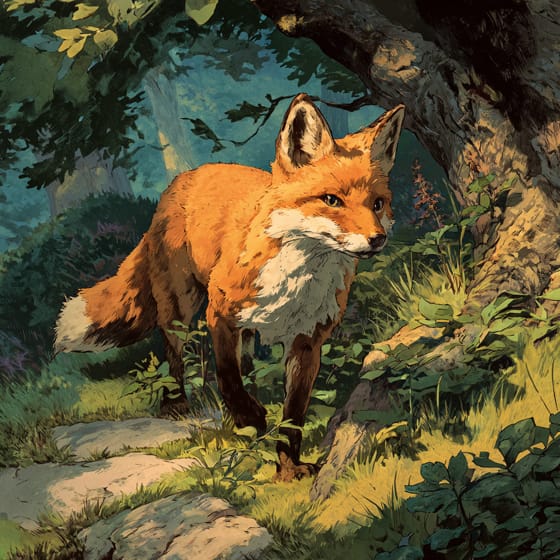
Vulpes vulpes
Foxes are common predators, digging into burrows for hamsters.
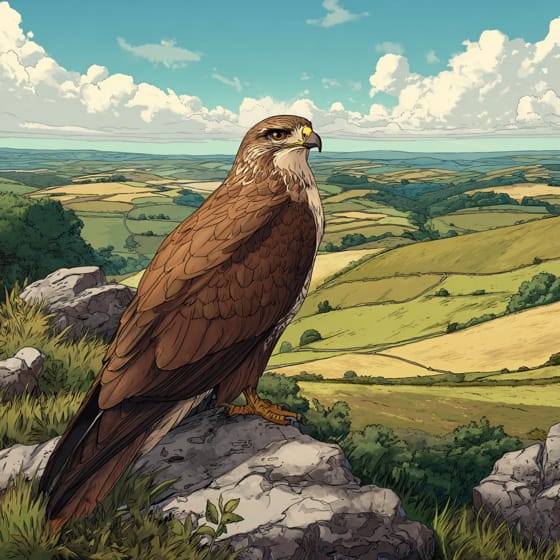
Buteo buteo
Buzzards snatch hamsters from above, especially at dawn or dusk.
Triticum aestivum
Hamsters collect and store wheat seeds, a primary food source.
Gryllus bimaculatus
Hamsters supplement their diet by hunting small insects like crickets.
Furry describes animals possessing a dense covering of soft hair or fur.
Social animals live in organized groups, cooperating for survival benefits such as foraging, defense, and raising offspring.
This trait identifies organisms whose diet includes both plant and animal matter.
Burrowing animals dig tunnels and chambers in the ground, using these subterranean structures for shelter, hunting, or breeding.

Desert habitats are arid regions characterized by extremely low precipitation and often extreme temperatures, supporting specialized flora and fauna.

Domesticated refers to species that have been selectively bred and tamed by humans for specific purposes.

Nocturnal animals are primarily active during the nighttime hours, typically resting or sleeping during the day.
Danger
1/5 · Very low
Always wash your hands after playing with a hamster and be gentle when holding them.
The easiest way to identify Mesocricetus is to use the Snappit nature identifier app.
12-18 cm
0.1-0.2 kg
2-3 years
7 km/h
A tiny omnivore munching on seeds, grains, fruits, and even insects.
Desert
Foraging
Zoom in to split clusters and explore where this object has been snapped.
Recent snaps will appear here as new observations are added.
Take the discovery with you
Snap it with Snappit to identify it, learn what makes it special, and add the discovery to your collection.




.jpg&width=800)



.JPG&width=800)


.jpg&width=800)
