%2C_Parc_du_Rouge-Clo%C3%AEtre%2C_Brussels_(49179578882)_(cropped).jpg&width=800)





Middle Spotted Woodpecker
Dendrocoptes medius
The Middle Spotted Woodpecker is a colorful bird that loves to peck on trees. It has a bright red cap and a beautiful spotted back. These birds are great at finding insects hidden in the bark!
Habitat: Forests
The Middle Spotted Woodpecker has a vibrant red crown, lacking the black forehead and lores of similar species. It features fine barring on its flanks and a distinctive pinkish-red vent. Its black moustache stripe does not connect to the beak.
Category
BirdsRarity
Common
Danger
1/5 · Very low
Snaps
Be the first to snap!
Its drumming is quieter than other woodpeckers, sometimes barely audible. Wow!
Middle Spotted Woodpeckers excavate new nest holes every year! Wow!
This woodpecker prefers older, decaying trees, vital for its insect diet. Wow!
Unlike many woodpeckers, it often forages on smaller, higher branches. Wow!
Middle Spotted Woodpecker has a specialized skull that absorbs impact, helping them peck trees vigorously without getting a headache.
Middle Spotted Woodpecker can grip tree bark tightly with two toes pointing forward and two backward, helping them climb with ease.
Middle Spotted Woodpecker can stretch its long, barbed tongue covered in sticky saliva, helping them snatch hidden insects.
Mostly eats insects and their larvae, especially from decaying wood, but also enjoys some fruit and sap.
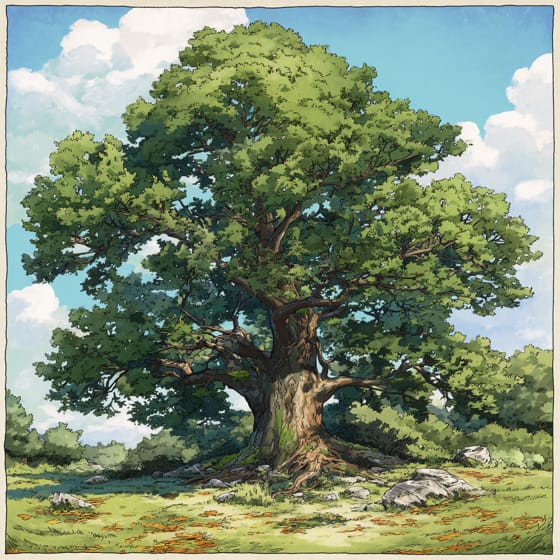
Quercus robur
Provides habitat, insects, and sap for the woodpecker.
Cerambyx cerdo
Woodpecker preys on larvae in decaying wood.
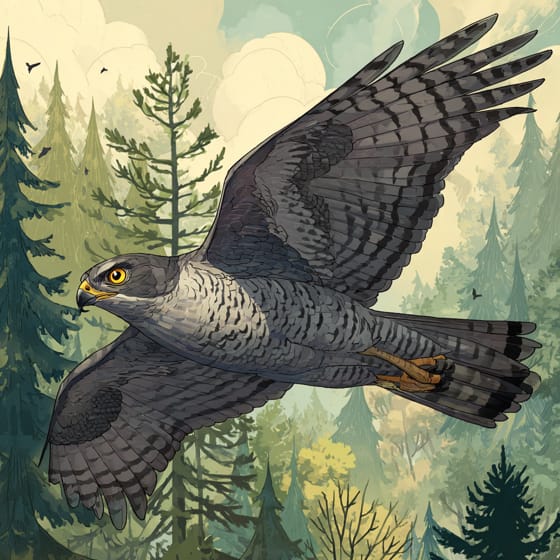
Accipiter gentilis
A primary avian predator of the Middle Spotted Woodpecker.
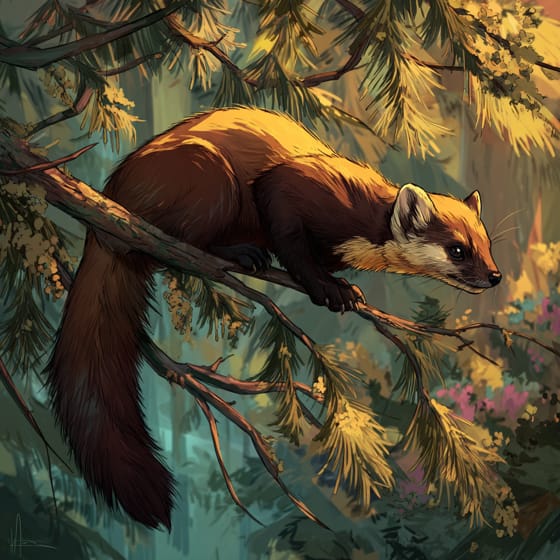
Martes martes
Preys on woodpeckers and their eggs in nest cavities.
Marked with spots or patches of a different color.
Social animals live in organized groups, cooperating for survival benefits such as foraging, defense, and raising offspring.
Arboreal animals live primarily in trees, utilizing them for shelter, food, and protection from predators.
Colorful describes organisms or objects displaying a wide range of bright and distinct colors.

This trait identifies organisms whose diet primarily consists of insects and other small invertebrates.

This trait describes organisms that manipulate external objects to achieve a specific goal.

Forest habitats are terrestrial environments dominated by dense tree cover, supporting a high diversity of plant and animal life.

Diurnal animals are primarily active during daylight hours, typically resting or sleeping at night.

Describes a species whose presence and role have a disproportionately large effect on its environment.

Describes organisms that transfer pollen, enabling the fertilization and reproduction of plants.
No aliases listed yet.
Danger
1/5 · Very low
Always watch birds from a distance and don't try to touch them.
The easiest way to identify Middle Spotted Woodpecker is to use the Snappit nature identifier app.
20-22 cm
34-39 cm
0.05-0.085 kg
5-10 years
35 km/h
Mostly eats insects and their larvae, especially from decaying wood, but also enjoys some fruit and sap.
Forests
Zoom in to split clusters and explore where this object has been snapped.
Recent snaps will appear here as new observations are added.
Take the discovery with you
Snap it with Snappit to identify it, learn what makes it special, and add the discovery to your collection.




.jpg&width=800)








