





milkmaids
Cardamine californica
Milkmaids are pretty little flowers that bloom in spring. They have delicate white petals and grow in shady places, making them a lovely sight in the forest!
Habitat: Forests
The milkmaids has slender green stems often topped with small clusters of four-petaled white or pale pink flowers. Its leaves are typically basal, dark green, and somewhat rounded or lobed, forming a rosette near the ground. The simple white flowers distinguish it from many other early spring blooms.
Category
PlantsRarity
Common
Danger
1/5 · Very low
Snaps
Be the first to snap!
It's related to tasty watercress and radishes!
Its seeds can pop out and scatter far away!
Often found growing under tall redwood trees!
Some people call it 'bittercress' because of its peppery taste!
milkmaids can bloom in late winter, providing nectar for early-rising insects when most other plants are still dormant.
milkmaids can quickly colonize forest floors by readily self-seeding, helping it spread and thrive in its habitat.
milkmaids has basal leaves that stay green through much of the year, providing a consistent food source for some browsing animals.
Apis mellifera
Collects nectar and pollen from early blooms.
Bombus vosnesenskii
Important native pollinator of its flowers.
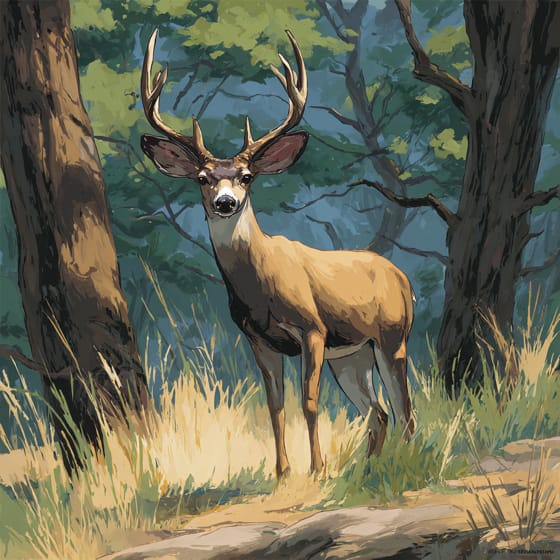
Odocoileus hemionus
Browses on its tender leaves and shoots.
Pieris rapae
Larvae may feed on its leaves due to family relation.
Flowering plants are any plants that produce flowers as part of their reproductive cycle.
Biennial plants complete their life cycle over two growing seasons, typically forming foliage in the first year and flowering/seeding in the second.
Shade tolerant plants are adapted to grow and thrive in areas with low light levels, requiring less direct sunlight.
Spring blooming plants produce their flowers during the spring season, often signifying the end of winter and the start of new growth.

Fragrant flowers emit a pleasant aroma, often to attract pollinators or for defense.

Edible plants are those parts of a plant that are considered safe for human consumption.

Describes plants that are particularly attractive and beneficial to a wide range of pollinating organisms.

Forest habitats are terrestrial environments dominated by dense tree cover, supporting a high diversity of plant and animal life.
No aliases listed yet.
Danger
1/5 · Very low
Always look but don't touch wildflowers, so they can keep growing for everyone to enjoy!
The easiest way to identify milkmaids is to use the Snappit nature identifier app.
10-50 cm
15-30 cm
0.5-1.5 cm
Winter to spring
Yes
None
Perennial
Zoom in to split clusters and explore where this object has been snapped.
Recent snaps will appear here as new observations are added.

California, US
You might spot Canyon Sunflower, Cardinal Catchfly, and White Globe Lily.
View guide →

California, US
You might spot Western Fence Lizard and Pacific Hound's Tongue.
View guide →
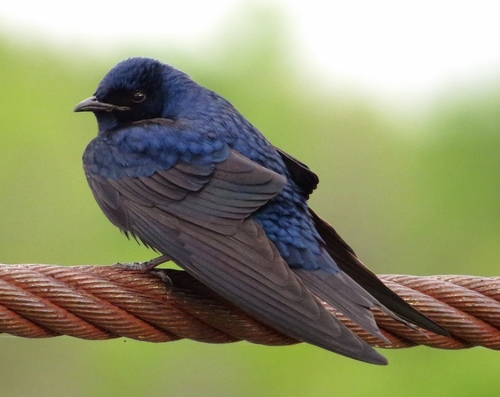
California, US
You might spot Purple Martin, Acorn Woodpecker, and Dark-Eyed Junco.
View guide →
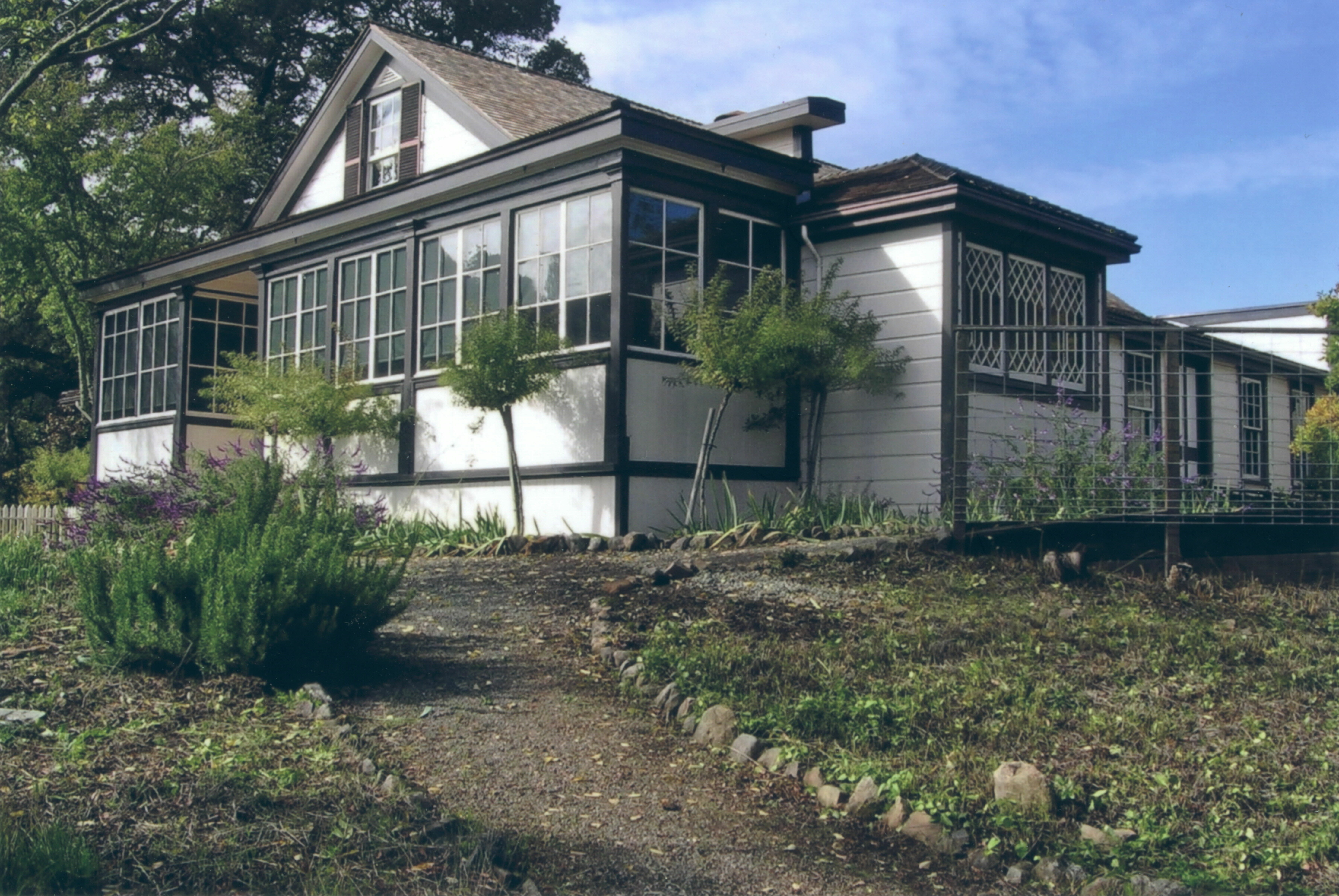
California, US
You might spot Pacific Hound's Tongue, Pacific Trillium, and Redwood.
View guide →
Take the discovery with you
Snap it with Snappit to identify it, learn what makes it special, and add the discovery to your collection.







.jpg&width=800)


_001.jpg&width=800)


