





Miniature Cactus
Pediocactus knowltonii L.D.Benson
Miniature cacti are small, spiky plants that store water in their thick stems. They come in various shapes and sizes, adding a touch of desert charm to any space.
Habitat: Desert
The Miniature Cactus is a tiny, usually solitary, spherical cactus, rarely exceeding a golf ball in size. It has a dull green body covered in dense, short, straight white spines that often obscure the stem, and produces small, pale pink to magenta flowers.
Category
PlantsRarity
Common
Danger
2/5 · Low
Snaps
Be the first to snap!
Many miniature cacti are rarer than tigers in the wild!
Some tiny cacti can live for over 50 years, even in harsh deserts!
Their beautiful flowers can sprout directly from the cactus body.
Tiny cacti are superstars at surviving extreme heat and cold.
Miniature Cacti can store water in their fleshy stems, helping them survive long droughts in dry environments.
Miniature Cacti have sharp spines that protect their soft bodies from hungry desert animals trying to eat them.
Miniature Cacti have a thick, waxy skin that reduces water loss and protects them from intense desert sun.
Diadasia rinconis
Carries pollen between flowers, aiding reproduction.
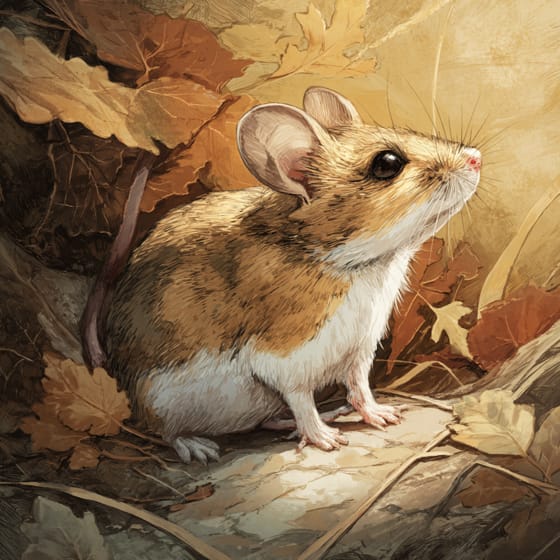
Peromyscus maniculatus
Feeds on cactus tissues or seeds when other food is scarce.

Pogonomyrmex occidentalis
Ants collect seeds, unknowingly helping the cactus spread.
Evergreen plants retain their foliage throughout the year, never shedding all their leaves at once.
Drought-tolerant plants can survive and flourish in conditions with limited water availability.
Succulent plants have thickened, fleshy parts, usually leaves or stems, adapted to store water in arid climates.
Desert habitats are arid regions characterized by extremely low precipitation and often extreme temperatures, supporting specialized flora and fauna.

Pertaining to species that are significantly smaller than typical or average for their kind.
Danger
2/5 · Low
Be careful around miniature cacti as their spines can be sharp. Avoid touching them without adult supervision.
The easiest way to identify Miniature Cactus is to use the Snappit nature identifier app.
2-8 cm
2-8 cm
1-2.5 cm
Spring_to_early_summer
No
Mild
Perennial
Zoom in to split clusters and explore where this object has been snapped.
Recent snaps will appear here as new observations are added.
Take the discovery with you
Snap it with Snappit to identify it, learn what makes it special, and add the discovery to your collection.









.jpg&width=800)



_001.jpg&width=800)



